
Hyundai Q1 2026 sales reach record as hybrids surge
Hyundai reported record Q1 2026 sales with growth driven by hybrids and SUVs, despite a March decline. Explore key figures and market context.
Hyundai closed the first quarter of 2026 with 205,388 vehicles sold, marking a 1% increase year over year and the strongest first-quarter performance in the company’s history. The result stands out against a slowing U.S. auto market, where overall sales are expected to decline.
March itself showed a 3% drop to 84,087 units, but the broader picture reveals a structural shift rather than weakness. Demand is increasingly concentrated around electrified vehicles and SUVs — the segments that ultimately drove Hyundai’s record-breaking quarter.
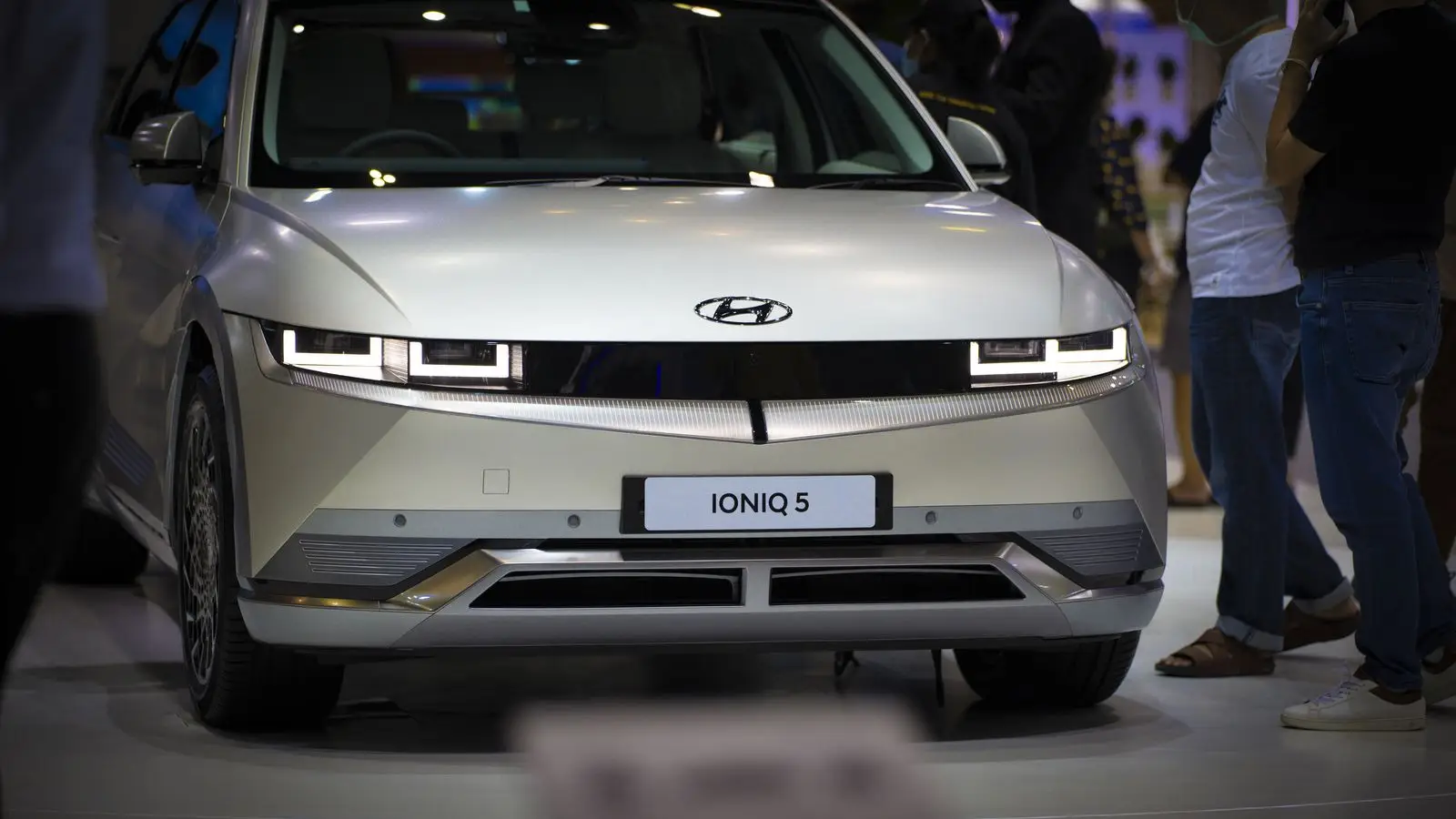
Hybrids emerged as the most dynamic growth engine. Sales jumped 50% in March and surged 61% over the quarter. Sonata HEV rose by 150%, Elantra HEV by 92%, and Santa Fe HEV by 31%. At the same time, electric vehicles continue to gain traction: IONIQ 5 delivered its best March ever, growing 13% year over year and 14% across Q1.
Hyundai’s SUV lineup remains central to its volume strategy. Tucson continues to be the brand’s top-selling model in the U.S., while the Tucson and Santa Fe families both set quarterly records. Together, these results reinforce Hyundai’s balanced portfolio approach, combining internal combustion engines, hybrids, and fully electric vehicles rather than relying on a single powertrain.
The performance becomes more significant when viewed in market context. U.S. auto sales in early 2026 are projected to decline, and demand for fully electric vehicles has softened following reduced incentives. In contrast, hybrids are gaining market share — a shift Hyundai appears well positioned to capture.
Not every model followed the upward trend. IONIQ 6 sales dropped sharply, down 82% in March and 75% year to date. This reflects both cooling EV demand and changes in the model’s availability in the U.S., where the standard version is largely absent for the 2026 model year.
Beyond sales, Hyundai continues to expand its footprint in the United States. The company is investing tens of billions of dollars into manufacturing, including its Metaplant in Georgia, while supporting a nationwide retail network of more than 855 dealers. At the same time, it is developing infrastructure through the IONNA charging network, which has already launched over 100 sites and continues to grow.
Hyundai is also advancing into autonomous mobility. In Las Vegas, riders can now be matched with an all-electric IONIQ 5 robotaxi developed with Motional and integrated into Uber’s platform. The project highlights how Hyundai’s EV architecture is being used beyond private ownership, extending into mobility services.
As a result, Hyundai enters 2026 with a diversified growth model: hybrids driving mainstream demand, SUVs sustaining volume, and electric and autonomous technologies shaping long-term direction.
Mark Havelin
2026, Apr 02 21:02