
NHTSA targets DTN airbags after fatal inflator failures

NHTSA reports deadly DTN airbag failures linked to 10 deaths and injuries. Learn which vehicles and replacement parts are involved and what risks drivers face.
Ten people have died and two more were seriously injured not because of the crashes themselves, but because the airbags meant to protect them turned into sources of lethal danger. These cases pushed the U.S. National Highway Traffic Safety Administration (NHTSA) to initiate a process that could lead to a ban on defective DTN inflators manufactured by China’s Jilin Province Detiannuo Safety Technology.
The investigation revealed a critical failure mechanism. Instead of deploying properly, the inflator can rupture on impact, sending metal fragments into the cabin. According to NHTSA, all 12 known incidents occurred in crashes that were otherwise considered survivable, meaning the defect itself became the decisive factor behind fatal outcomes.
This case stands out because it does not involve factory-installed components. The inflators were used as replacement parts, typically installed after earlier accidents. In most confirmed cases, the airbags had already been replaced before the fatal crash, often outside authorized repair networks. This points directly to vulnerabilities in the post-collision repair market, where uncertified or illegally imported components may enter circulation.
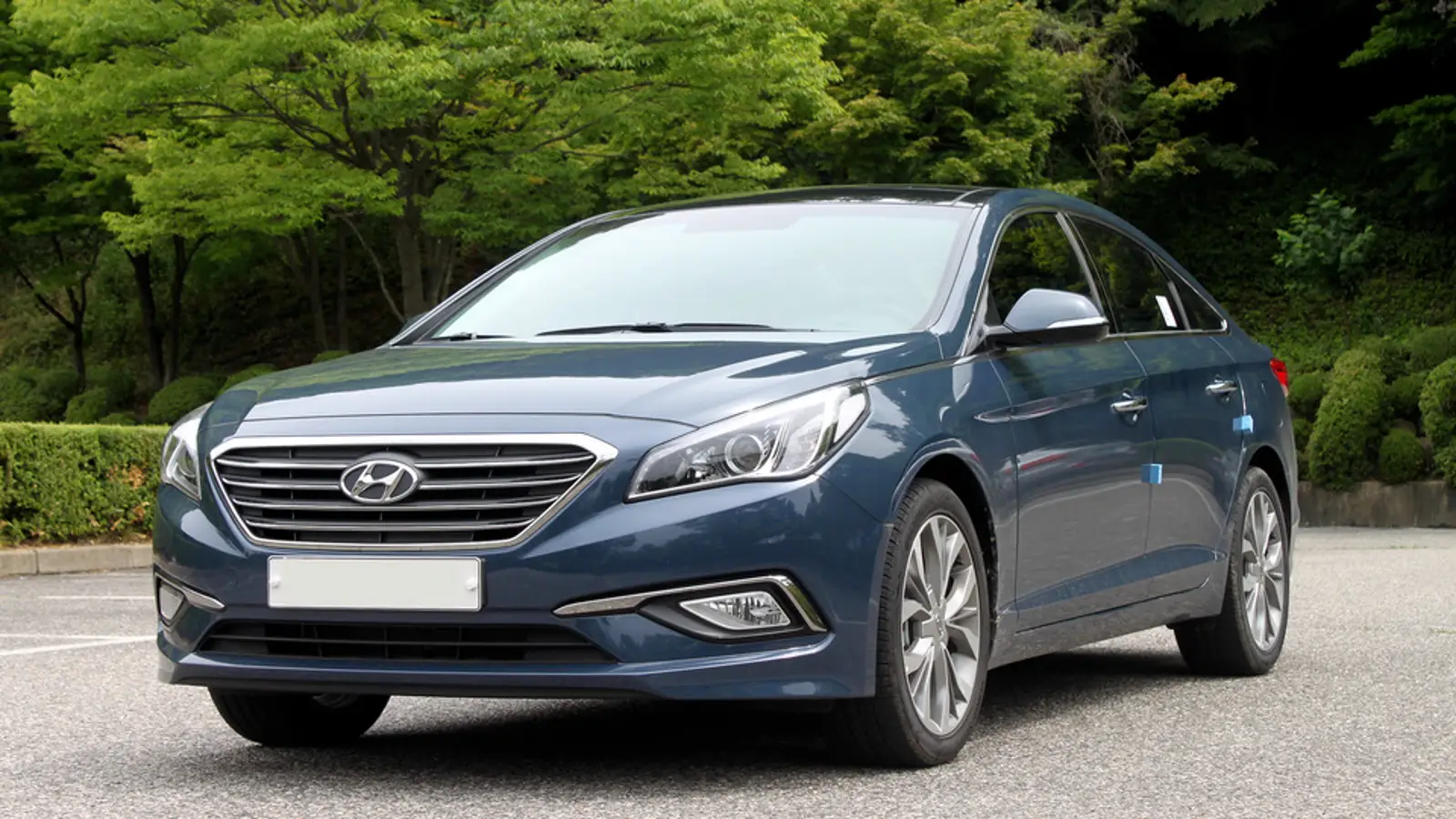
The confirmed incidents involve vehicles such as the Chevrolet Malibu and Hyundai Sonata from roughly model years 2017 to 2022. However, regulators emphasize that this list is not exhaustive. Due to unclear supply chains and likely illegal imports, authorities cannot determine how many of these inflators are currently in use or which vehicles may be affected.
Another concern is how easily these components can be mistaken for legitimate parts. NHTSA highlights specific identifiers, including DTN60DB markings and distinctive barcode labels, but also warns that inspecting or disassembling an airbag module without proper procedures can be dangerous and may trigger deployment.
At this stage, the regulator has issued an initial decision rather than a final ban. After a short comment period, NHTSA may move toward a full prohibition on the sale, import, and use of these inflators in the United States, which would make any related transactions unlawful.
The implications extend beyond a single defect. The case underscores growing concerns about oversight in the repair market, particularly for safety-critical components. For vehicle owners, it reinforces a clear message: cars with a history of airbag replacement, especially after prior accidents, require careful verification, as the cost of cutting corners can be severe.
Allen Garwin
2026, Apr 06 03:02