
How to Detect Mice in Your Car and Prevent Damage
Learn how to detect mice in your car, identify warning signs like chewed wires and odors, and take effective steps to prevent damage. Protect your vehicle now.
Mice in a car are not just an inconvenience but a real threat to vehicle safety. Damaged wire insulation can lead to short circuits, erratic system behavior, or even a complete failure to start the engine.
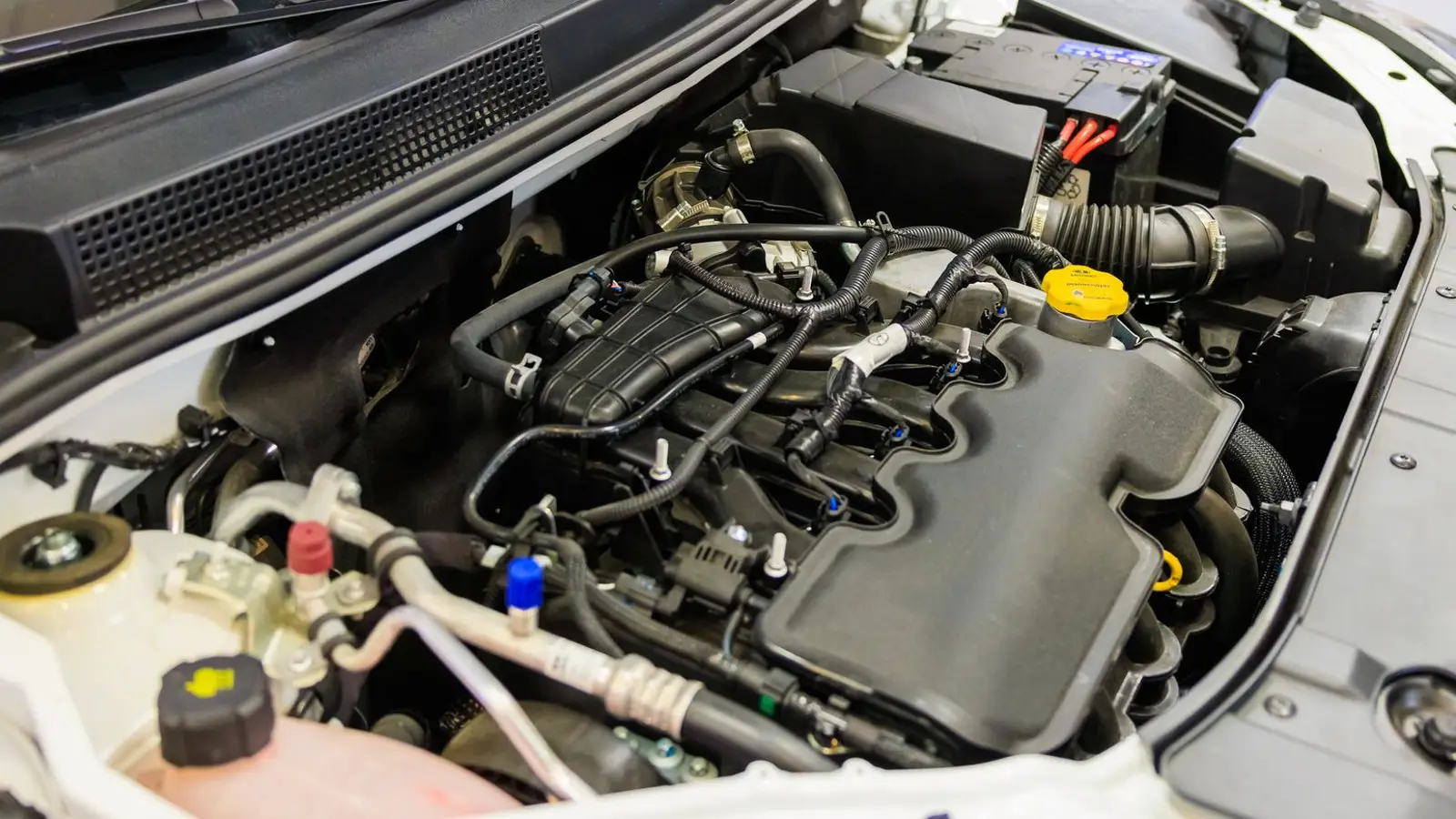
Rodent presence is usually revealed by clear signs: chewed wires, scratches, droppings, and persistent odors. They often enter through ventilation ducts or the engine bay, building nests near the cabin air filter where warmth and soft materials are readily available.
The issue goes far beyond discomfort. Rodents frequently damage wiring, hoses, and insulation materials. In modern vehicles, some of these components contain biodegradable compounds that can attract animals. This directly impacts safety, as damage to sensor cables or control systems may disrupt vehicle operation.
There is also a hygiene risk. Droppings and urine contaminate the ventilation system and interior. Improper cleaning methods, such as vacuuming, can spread contaminated particles into the air and increase health risks.
When infestation is suspected, experts recommend careful inspection in an open area, using protective gloves and disinfectants. The cabin air filter should be replaced, and all wiring checked for damage. If insulation is compromised, the vehicle may be unsafe to operate and should be inspected by a mechanic.
The scale of the issue is reflected in insurance data, where rodent-related damage accounts for a notable share of non-collision claims. In severe cases, repairs can cost thousands due to the need to replace wiring harnesses and electronic components.
Prevention relies on consistent habits. Keeping the interior clean, removing food residues, ensuring garages are sealed, and regularly inspecting the engine bay all reduce the risk. Additional measures include repellents such as peppermint-based products or capsaicin-treated materials, though these require regular reapplication and work best alongside mechanical traps.
Ignoring the problem is not an option. A warm engine bay and sheltered environment make vehicles an attractive refuge for rodents, especially during colder months. Regular checks and preventive measures remain the most effective way to avoid costly damage.
Allen Garwin
2026, Apr 07 17:37