
European Car Market Faces Structural Shift and Rising Pressure
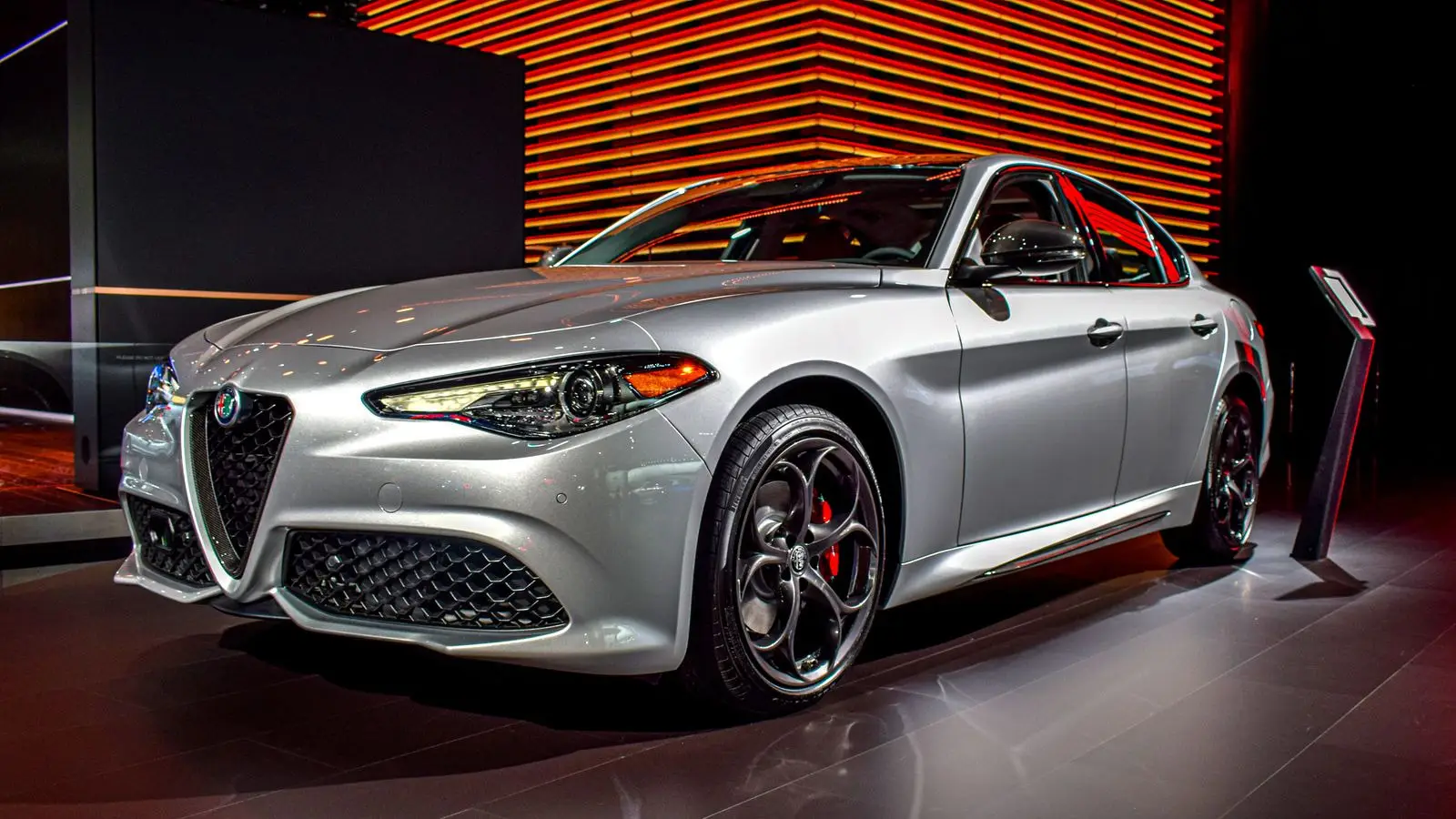
European car market struggles with weak demand, rising costs, EV transition challenges, and growing Chinese competition. Explore key trends shaping the industry.
The European automotive market is increasingly moving beyond a typical downturn and entering a phase of structural transformation. This is not a sudden collapse, but a gradual shift in which long-established industry dynamics are being redefined.
A market without full recovery
Although new car sales showed slight growth in 2024, the market remains significantly below pre-pandemic levels. This marks several consecutive years of underperformance, suggesting not a temporary disruption but a longer-term adjustment.
Manufacturers expected a rebound, but instead face a prolonged period of stagnation with clear signs of structural change.
A changing consumer
One of the most visible shifts is in consumer behavior. The average vehicle age in Europe now exceeds 12 years, as drivers keep their cars longer and delay new purchases.
This is largely driven by economic factors: rising vehicle prices, more expensive financing, and ongoing uncertainty. Buying a new car is no longer a routine upgrade, but an increasingly considered decision.
Cost pressure on manufacturers
At the same time, automakers are dealing with rising production costs. Labor expenses in Europe, particularly in Germany, remain among the highest globally and continue to increase.
This creates a difficult imbalance: it is becoming more expensive to produce vehicles while demand remains constrained.
A new competitive landscape
As European manufacturers adapt, new competitors are gaining ground. Chinese-built vehicles have expanded rapidly and, in 2024, surpassed those produced in Japan, the United Kingdom, and Turkey in European registrations.
This reflects not just a shift in market share, but a broader transformation of global competition.
Electric vehicles: expectations vs reality
Electric vehicles were expected to drive growth, yet actual results in 2024 show a more complex reality, with registrations slightly declining.
Key challenges remain: high prices, limited charging infrastructure, and uncertainty around incentives. Meanwhile, manufacturers continue to invest heavily, increasing financial pressure.
Vulnerable brands
These structural changes are particularly visible among certain brands. DS Automobiles remains a niche player with limited volumes, while Lancia relies heavily on domestic demand and legacy appeal.
Alfa Romeo, despite strong brand identity, has not translated its image into consistent sales growth.
Strategies under pressure
Even well-known brands face difficult strategic choices. Jaguar is transitioning to a fully electric lineup, a move accompanied by declining sales during the transition phase.
Maserati is experiencing deteriorating financial performance and reduced volumes, highlighting the challenges of repositioning in a changing market.
Corporate-level restructuring
These pressures extend to large automotive groups. Nissan is undergoing major restructuring, cutting costs and reassessing its strategy.
Stellantis, which объединяет multiple brands, has reported declining profitability in Europe and negative cash flow, reflecting the complexity of operating in the current environment.
What it means for the market
All these developments point to a single trend: the European automotive industry is entering a new phase.
Demand is more restrained, competition is intensifying, and cost structures are becoming more challenging. Scale and heritage are no longer sufficient to ensure stability.
The key question is no longer when the market will return to its previous state, but what it will become after this transformation is complete.
Ethan Rowden
2026, Apr 08 18:17