
Mercedes-Benz SLK turns 30: vario-roof legacy
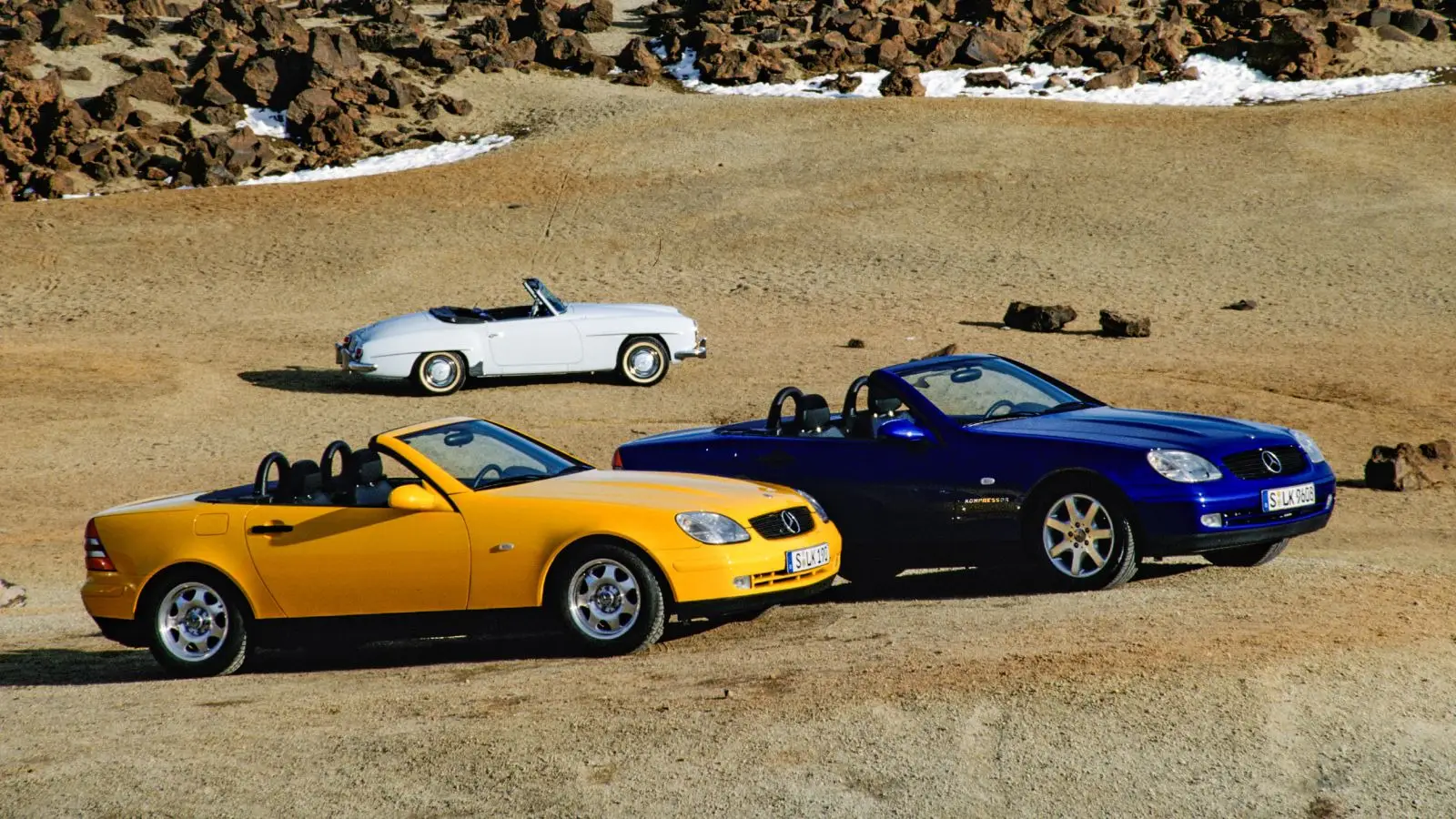
Mercedes-Benz marks 30 years of the SLK, first shown in 1996 with a vario-roof. The model’s design, innovation and market impact are reviewed. Learn more.
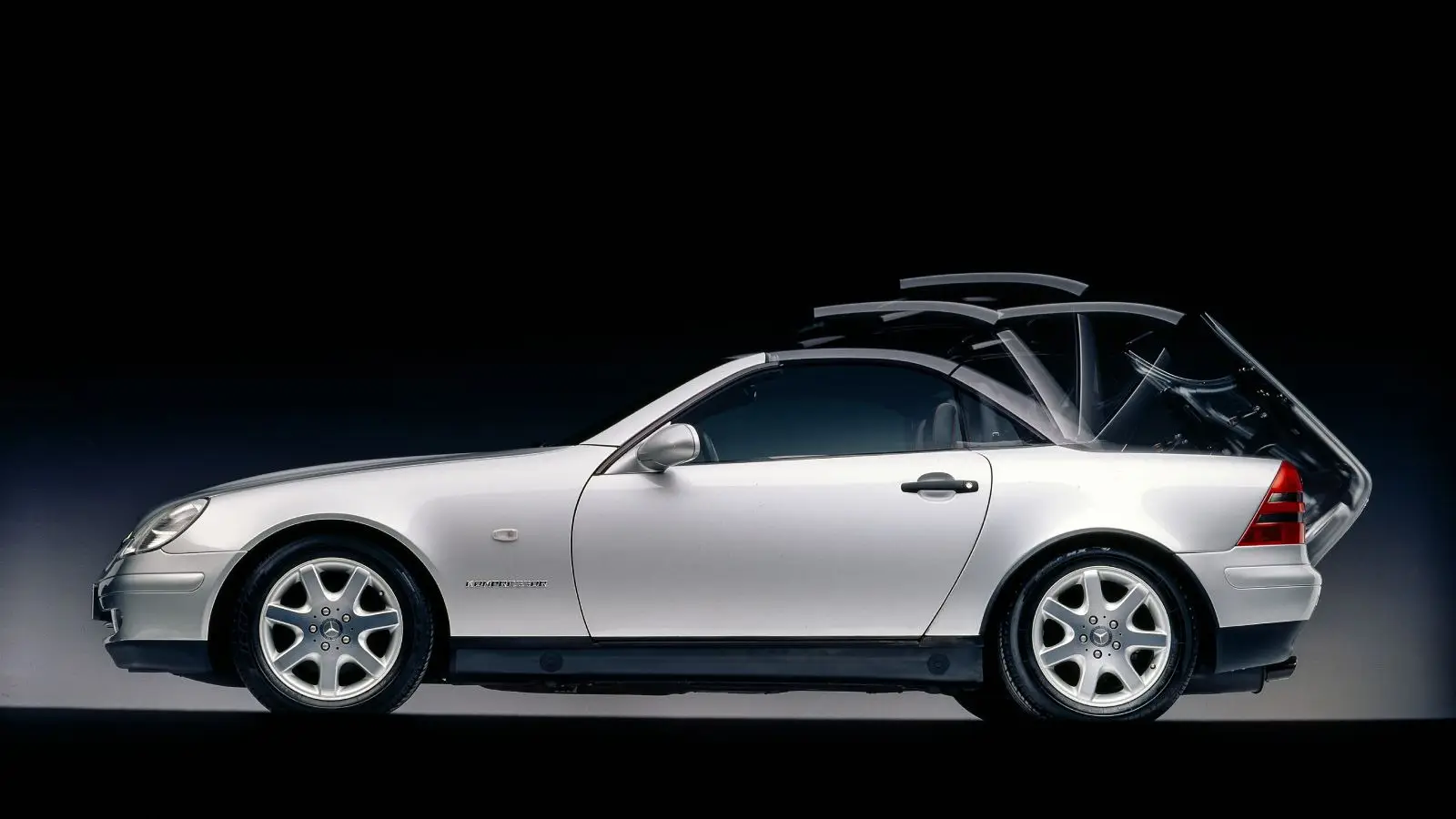
Thirty years ago, Mercedes-Benz reshaped the idea of an accessible sports car with a feature that felt almost futuristic at the time: a steel roof that could fold into the boot in just 25 seconds.
The SLK made its debut in April 1996 at the Turin Motor Show and immediately sparked intense demand. Even earlier concept studies from 1994 had already hinted at something different — not just another roadster, but a hybrid concept combining the comfort of a coupé with the openness of a convertible. Remarkably, the production version stayed very close to those original concepts.
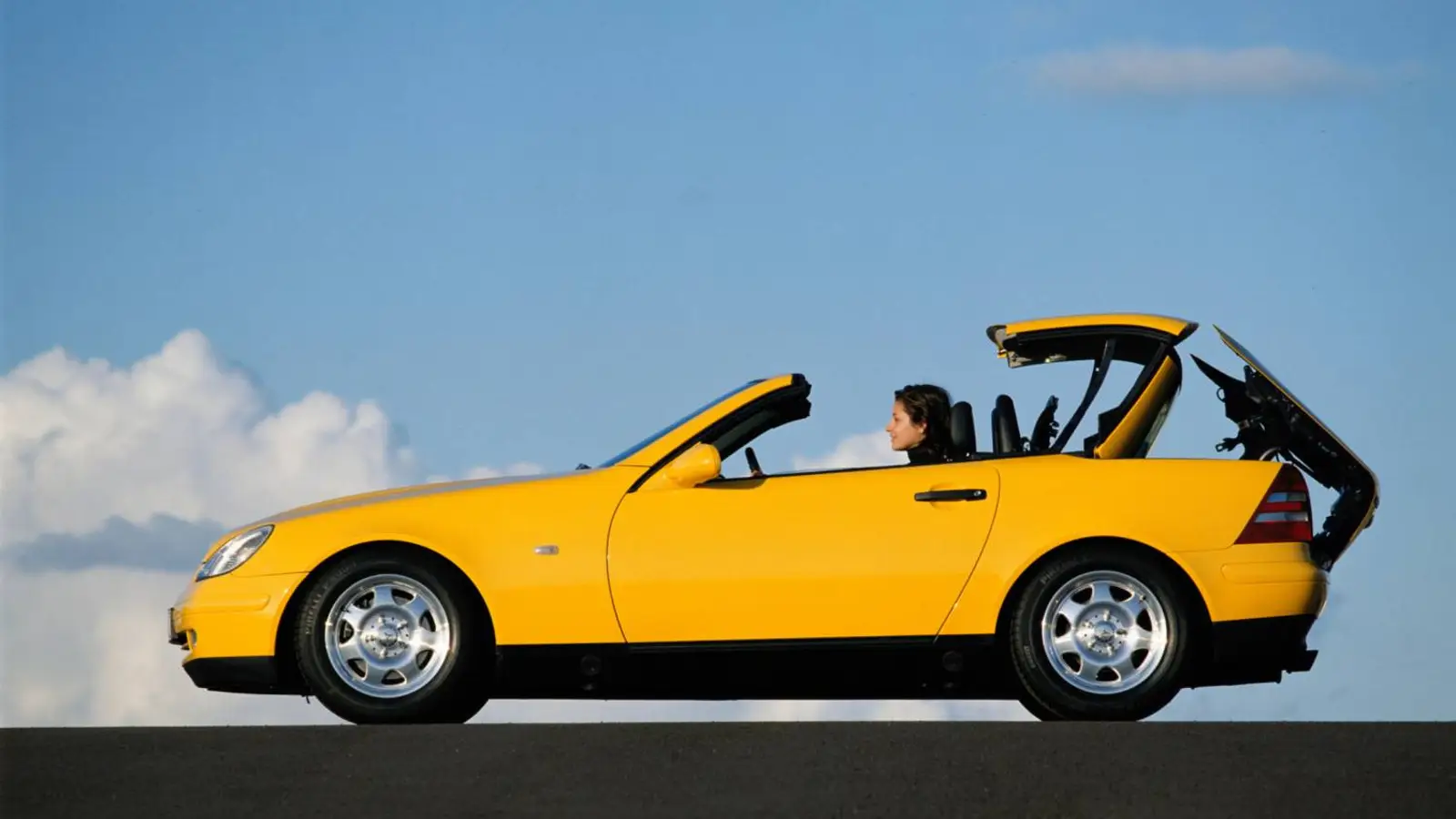
This approach mattered. In a market already populated by models like the BMW Z3 and Porsche Boxster, the SLK stood apart thanks to its electrohydraulic vario-roof. Unlike traditional soft tops, it offered better insulation, improved security and year-round usability. The impact was immediate: production had to be expanded, and additional jobs were created at the Bremen plant to meet demand.
Underneath, the car relied heavily on proven Mercedes-Benz engineering. Based on components from the C-Class (W202), the SLK combined durability with a more agile setup — shorter dimensions, a lowered chassis and rear-wheel drive gave it a distinctly sporty character.
The engine range reflected this balance between accessibility and performance. From the SLK 200 to the supercharged variants and the range-topping SLK 32 AMG with 354 hp, the lineup covered a broad spectrum. The SLK 230 Kompressor became the most popular version, accelerating to 100 km/h in around 7.4 to 7.6 seconds and reaching over 230 km/h. Its use of a mechanical supercharger echoed Mercedes-Benz performance traditions dating back to the 1920s.
The response from both the market and the press reinforced the car’s position. The SLK received major awards, including the Golden Steering Wheel and recognition as one of the most beautiful cars of its time. German automotive media focused heavily on the roof mechanism, treating its transformation as a standout engineering achievement.
By 2004, more than 311,000 units of the first-generation SLK had been produced. In Germany, it even became the best-selling two-seater convertible, surpassing more affordable competitors. This success helped establish the model as a key entry point into Mercedes-Benz’s sports car lineup.
Many early SLK models remain on the road today, supported by robust build quality and the continued availability of original parts through Mercedes-Benz Classic. Interest in well-preserved examples persists, with the model increasingly viewed as a potential modern classic.
The SLK story did not end with the R170. It evolved through successive generations, eventually forming a distinct line of compact roadsters within the brand. Yet it was the first generation that set the tone — proving that everyday usability and driving enjoyment could coexist in a single, compact sports car.
Mark Havelin
2026, Apr 10 16:02

