
Bugatti Tourbillon Introduces CMF and Bespoke Materials
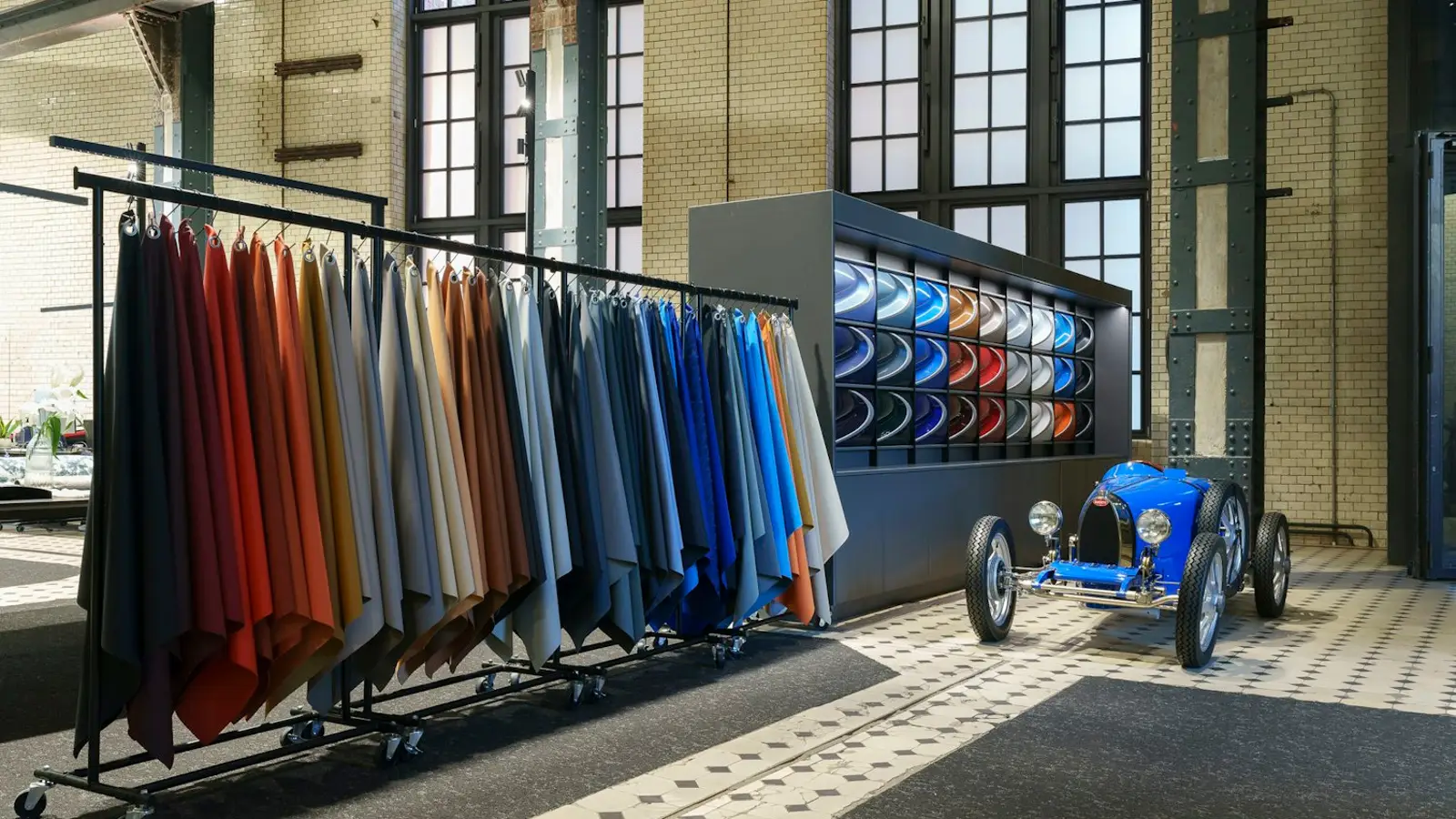
Bugatti reveals the Tourbillon with a new CMF approach, introducing fabrics and unique materials. Learn how personalization is evolving in hypercars.
Bugatti introduces textiles into a hypercar interior for the first time—and treats them not as an experiment, but as a new benchmark for personalization in the Tourbillon. Alongside traditional leather and carbon fiber, the palette now includes fashion-derived materials, such as a hand-woven textile from Kyoto with metallic yarn and strips of washi paper.
This shift is driven by the brand’s Color, Material and Finish (CMF) discipline, which defines every visual and tactile element of the car. In the Tourbillon, CMF goes beyond selecting options and moves into creating unique solutions for each client, including fully personalized fabrics, patterns, and finishes that exist only once.
That evolution reflects a broader role CMF already plays in the automotive industry, where it shapes brand perception and perceived value. Bugatti applies this logic at the hypercar level, a segment traditionally dominated by established luxury materials. The introduction of textiles developed with fashion-industry specialists signals an attempt to expand those boundaries.
The process is led by Head of CMF Sabine Consolini, with development taking place between the Bugatti Atelier in Molsheim and the Design Studio in Berlin. Clients are invited into private configuration sessions, where every element is treated as part of a unified composition. Options range from signature Bugatti fabrics with subtle EB monograms to entirely bespoke creations designed for a single owner.
Despite the experimentation, Bugatti maintains a strict material philosophy: everything is real. Leather has been redeveloped through a new tanning process to achieve greater softness, while aluminum features prominently across both interior and exterior components. The instrument cluster, created with Swiss watchmaker Concepto, consists of more than 650 parts and follows traditional horological principles.
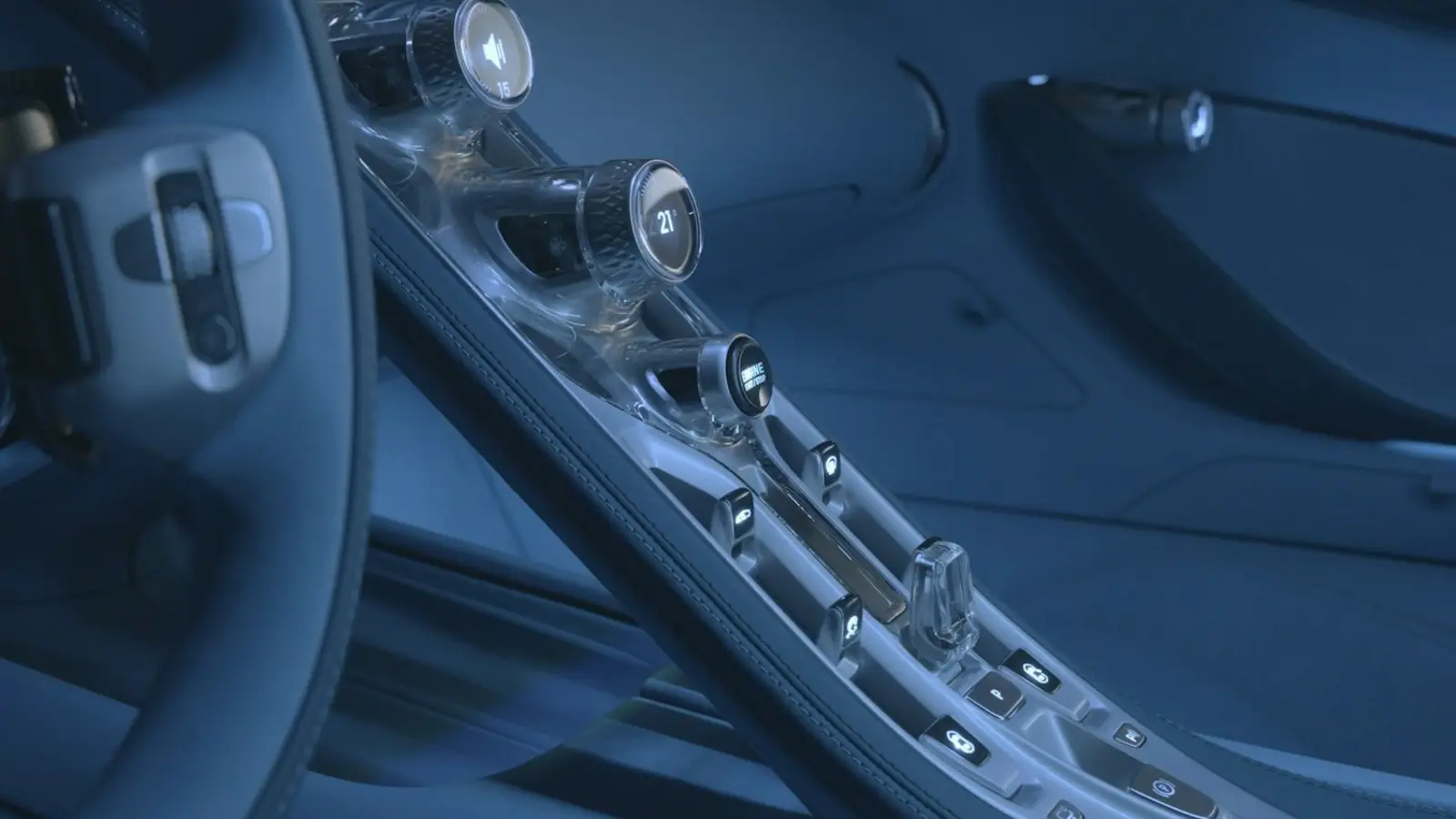
Glass also plays a new role. The center console is formed from a single piece, offered in multiple color variations. Achieving this required advanced shaping techniques and close collaboration with material specialists, making it one of the most complex elements in the cabin.
The Tourbillon itself represents a major step for Bugatti. Powered by a naturally aspirated V16 developed with Cosworth and supported by a hybrid system, it delivers around 1,800 horsepower, with production limited to 250 units. Within this context, personalization becomes a core part of the car rather than an optional feature.
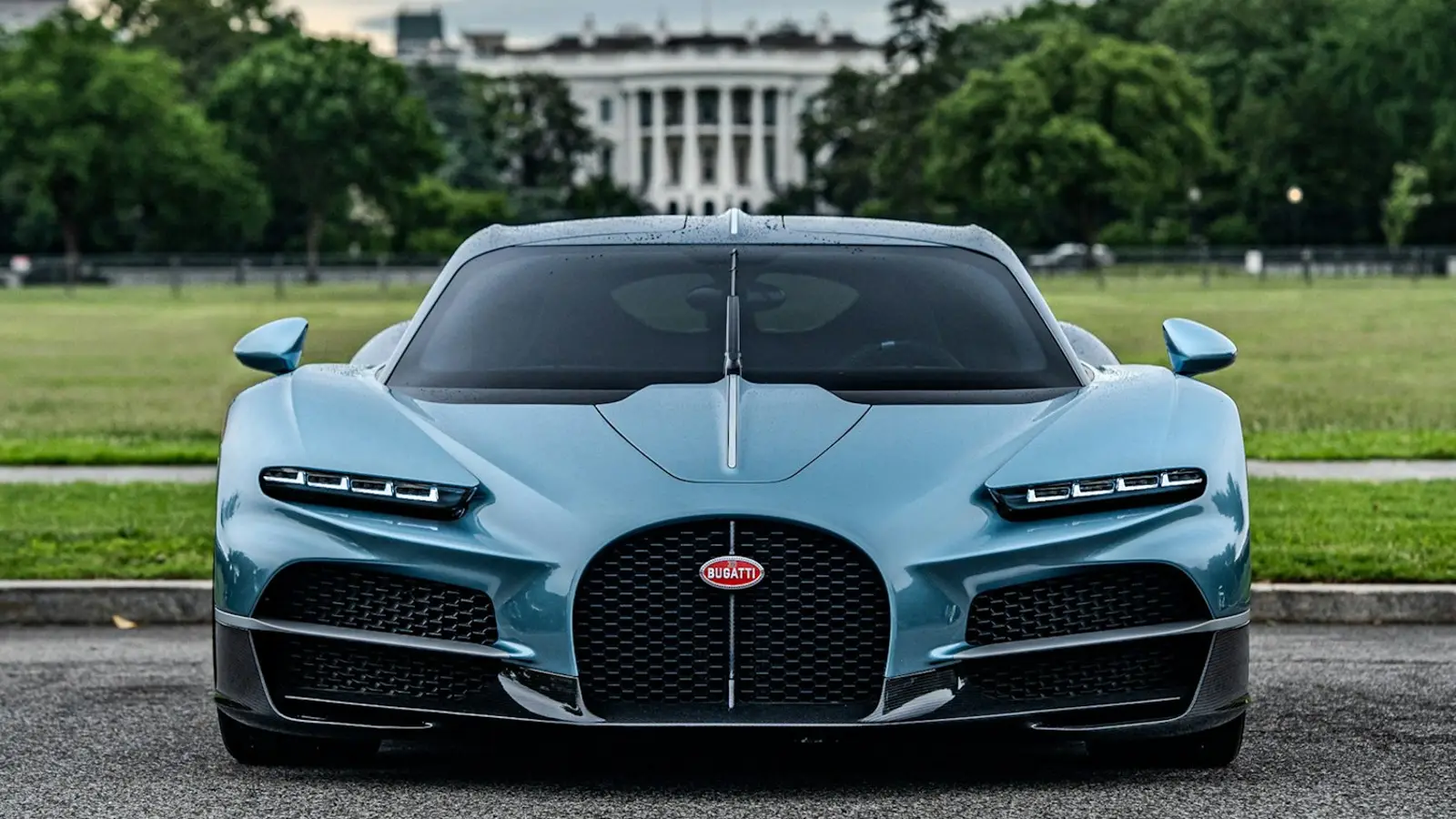
Bugatti has already explored bespoke design through its Sur Mesure program, producing unique Chiron models with hand-painted graphics and historical references. The Tourbillon extends this approach further—shifting customization from color and decoration to the materials themselves.
The result is a repositioning of the hypercar. Engineering remains central, but craftsmanship and design gain equal weight, turning each vehicle into a personal object shaped by the principles of haute couture.
Mark Havelin
2026, Apr 11 05:15