
How Skoda Motorsport Tests the Fabia RS Rally2 Car
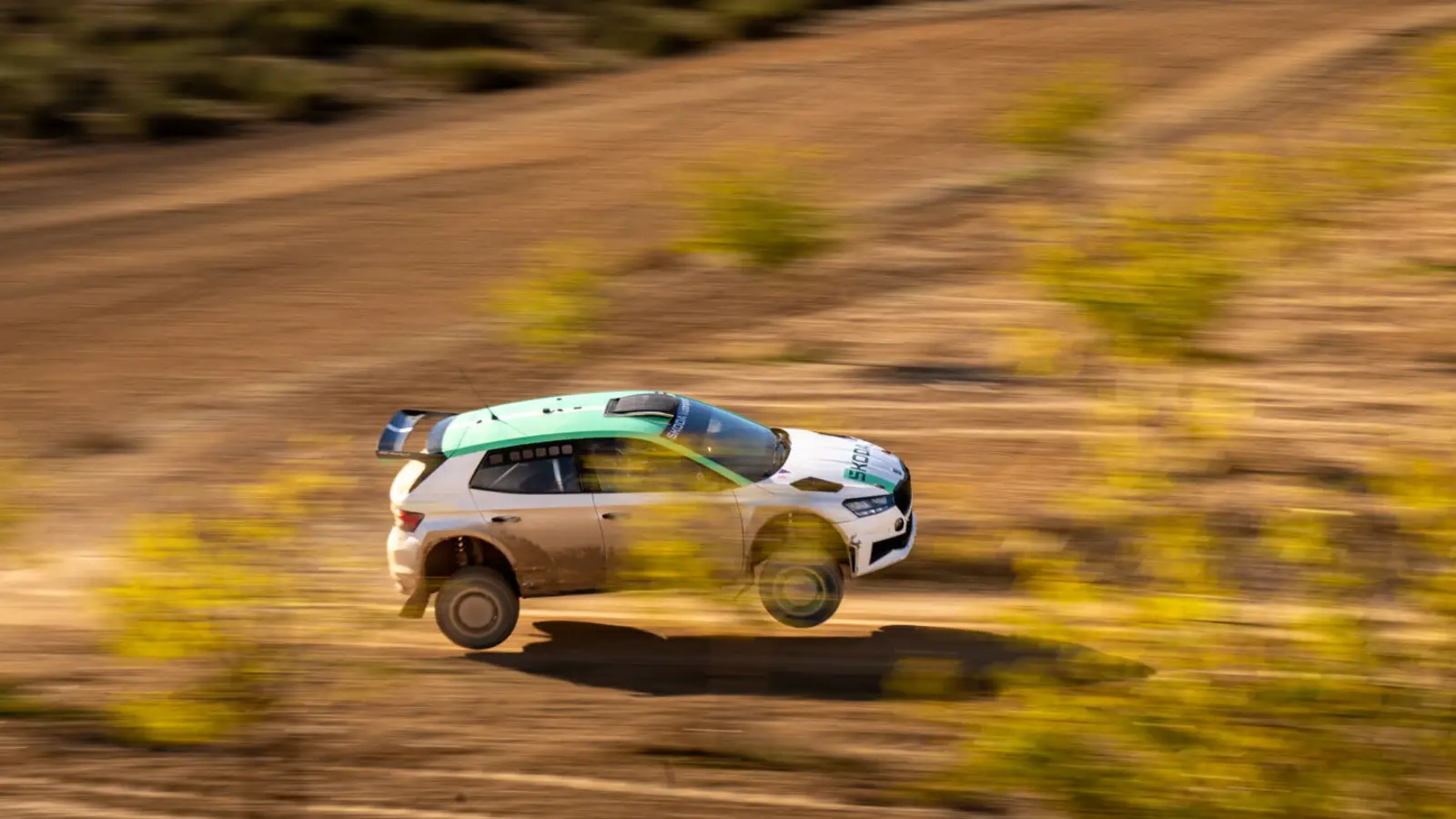
Skoda Motorsport reveals how the Fabia RS Rally2 is tested across conditions, with engineers, drivers and data shaping performance. Explore the process behind its development.
A single test day for the Skoda Fabia RS Rally2 can stretch to 300 kilometers at competitive pace — a distance comparable to a full three-day World Rally Championship event. This level of intensity underpins the development of one of the most successful cars in the Rally2 category.
The Fabia RS Rally2 is not just prepared before a season begins — it is continuously refined. Testing takes place on asphalt, gravel, snow, and ice, exposing the car to both extreme heat and freezing conditions. High-speed stages with jumps and rough surfaces are all part of the process, ensuring the car can withstand the full range of challenges faced in rallies worldwide.
This work extends beyond the factory team. Test results directly support customer teams running Skoda cars, providing recommended base setups for specific events. With tens of thousands of rally starts and thousands of podium finishes achieved by Rally2 cars from Skoda, this structured testing approach plays a key role in maintaining competitiveness.
Organizing tests requires significant preparation. The team conducts around 40 days of testing annually across Europe, with each session planned up to two months in advance. A full mobile setup is deployed on-site: engineers design test programs and analyze data, mechanics quickly adjust the car, and tire specialists evaluate different compounds.
The car itself functions as a mobile laboratory. Equipped with more than 100 sensors, it captures detailed data on every aspect of performance. Over the course of development, some test cars accumulate more than 10,000 kilometers, demonstrating both durability and reliability.
Driver feedback remains essential. The goal is not to set the fastest time, but to maintain consistency and accurately describe how the car behaves under different setups. This ability to interpret and communicate subtle changes has long been a defining trait of top-level drivers and is critical during testing.
Development continues even after homologation. FIA regulations limit modifications, so updates are introduced through controlled packages. Every change — from body components and cooling systems to individual bolts — is carefully tested. Weight reduction remains a constant focus, where even the smallest savings can influence performance.
This continuous cycle of testing and refinement explains why the Fabia RS Rally2 maintains its position at the top of its class: its performance is shaped not only during development, but through constant adaptation to real-world rally conditions.
Mark Havelin
2026, Apr 11 15:02