
Hyundai recalls Ioniq and Kona Electric cars in Australia
_DSC_0559.jpg)
Hyundai recalls Ioniq and Kona Electric vehicles in Australia due to a battery software issue that may cause fire risk. Learn which models are affected.
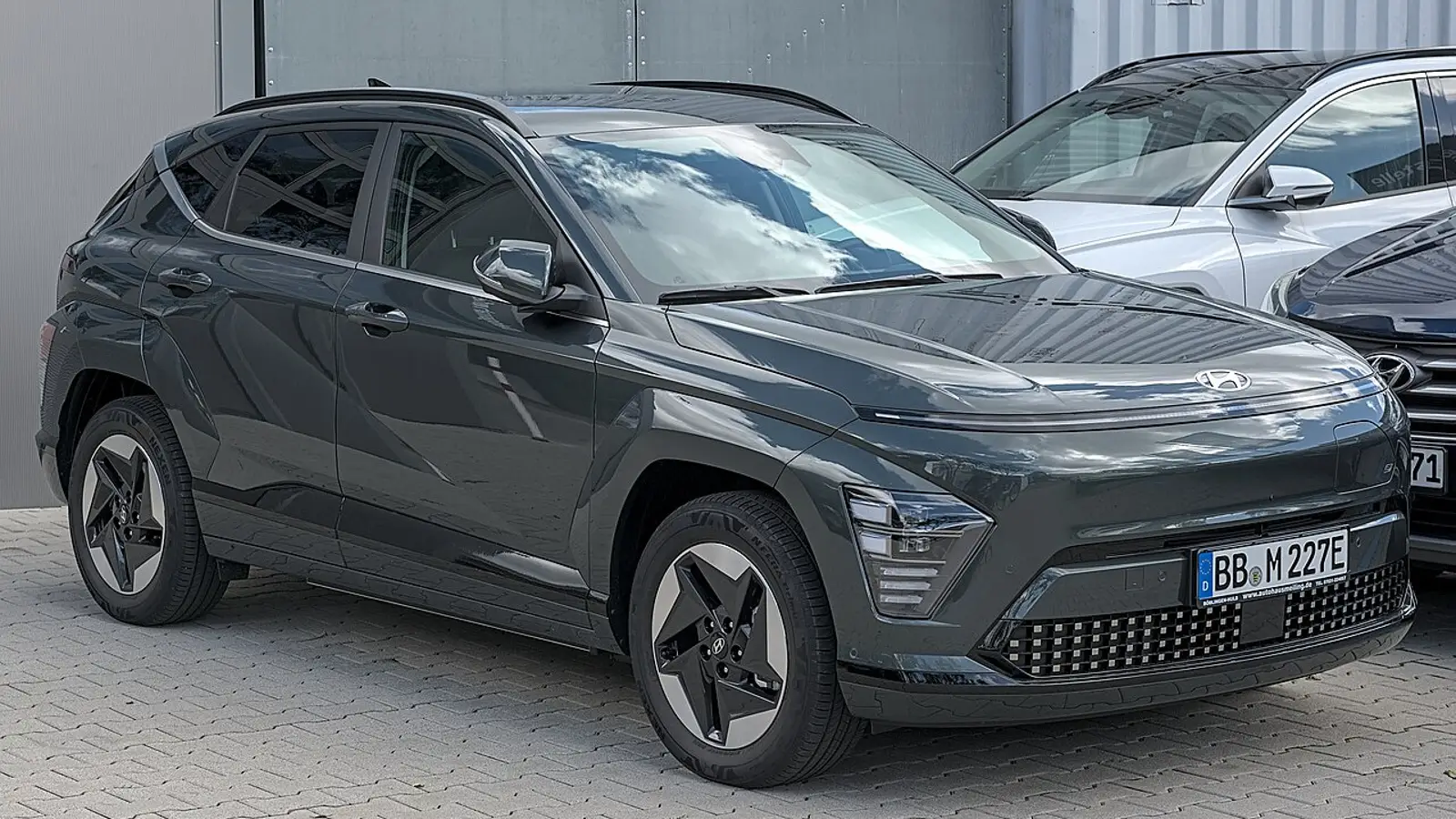
Hyundai has recalled nearly 5,000 electric vehicles in Australia over a potential fire risk linked to a software issue in the battery management system, which could trigger a short circuit even while the car is parked.
The recall affects two models: the Ioniq Electric and the Kona Electric. A total of 1,402 Ioniq EV units built between 2018 and 2022 are involved, along with 3,478 Kona EV vehicles produced from 2018 to 2023. In both cases, the defect is described in the same way: a fault in the Battery Management System may cause an electrical short circuit during charging or while the vehicle is stationary, creating a risk of fire and potential harm to people and property.
For owners, the process is straightforward. Hyundai will contact affected customers directly and ask them to visit an authorized dealership. Technicians will inspect the battery and, depending on its condition, carry out a software update or repair battery cells. All work will be performed free of charge.
This situation goes beyond a local issue. The Australian recall mirrors a broader international campaign affecting more than 100,000 Kona Electric vehicles worldwide. Reports indicate that these cars belong to the first generation, produced from early 2018 to mid-2023. The core issue lies in battery monitoring software that may fail to detect potentially dangerous conditions inside the battery early enough.
The background adds further context. Similar recalls for the Kona Electric were issued in Australia in 2020 and 2021, at that time linked to possible defects in the battery itself, sometimes requiring full replacement. A separate campaign in 2021 also involved the Ioniq Electric. The current recall differs in that it focuses on software performance rather than confirmed physical battery defects.
At the same time, electric vehicle fires remain relatively rare in Australia. Available data shows 13 such incidents recorded since 2021, and not all were directly related to battery failures or charging. Still, the recall highlights how critical accurate battery monitoring systems are, especially in situations that occur while a vehicle is parked or charging, outside direct driver control.
The next step is a large-scale inspection campaign at dealerships. How quickly owners respond to recall notices and complete the checks will play a key role in reducing any potential risks.
Allen Garwin
2026, Apr 11 19:35