
Porsche 911 Speedster: History, Key Features and Generations Explained
Explore the history of the Porsche 911 Speedster, its key design features and all generations. Learn how Porsche defines this rare open-top version of the 911.
Porsche 911 Speedster is one of those versions of the 911 that refuses to follow the usual logic of the model range. It appears rarely, skips entire generations, and each time feels more like a statement than just another derivative. To understand what it really is, you have to look beyond the 911 itself and go back to the origins of the brand.
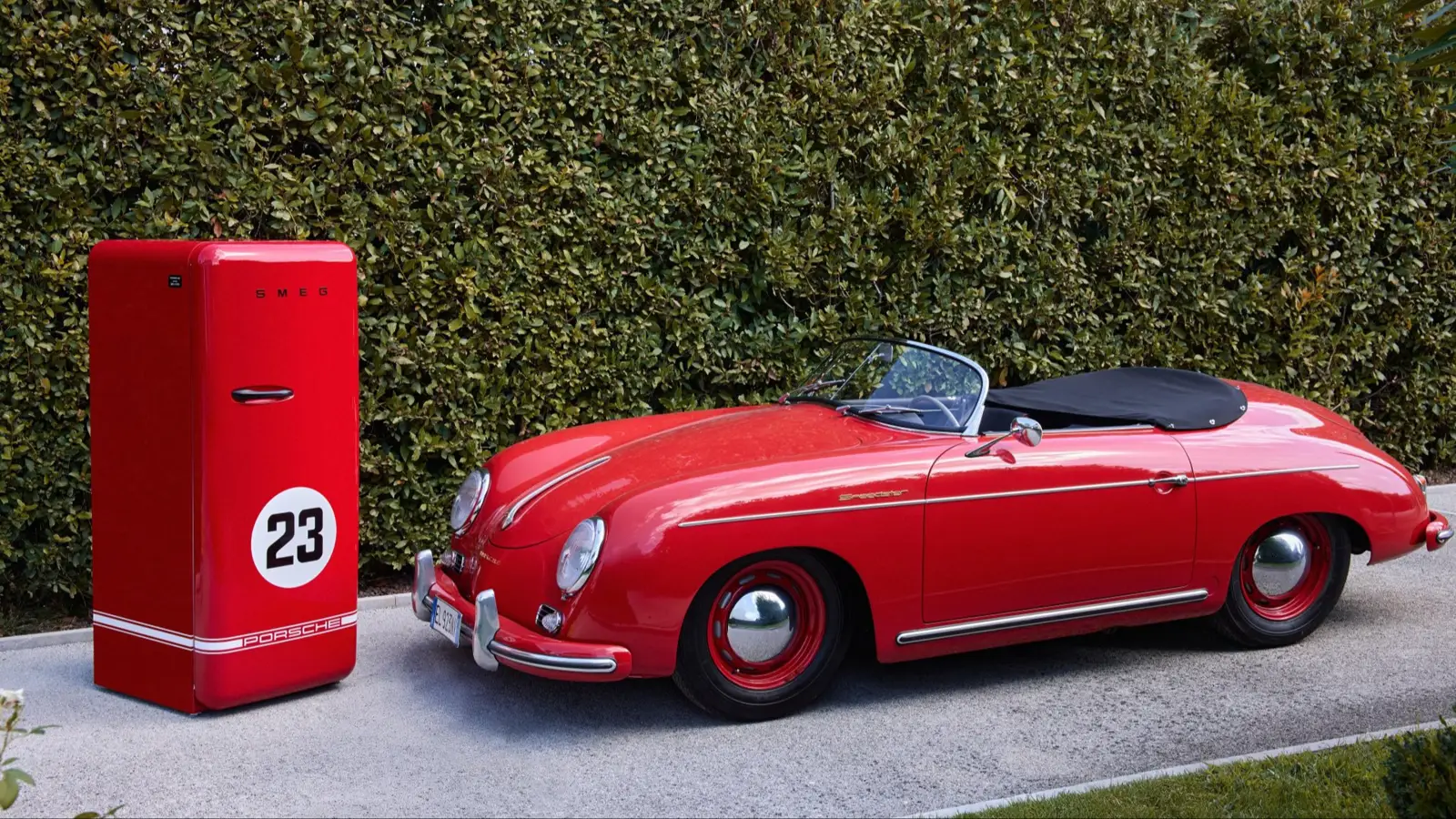
The Speedster story begins in the 1950s, long before the 911 existed. The earliest cars carrying this name were based on the 356 and were closely tied to the American market. The idea was straightforward: create a lightweight, open sports car with minimal equipment. A lower windscreen, simplified interior and a focus on essentials became the foundation of the Speedster philosophy. Decades later, that same idea would resurface within the 911 family.
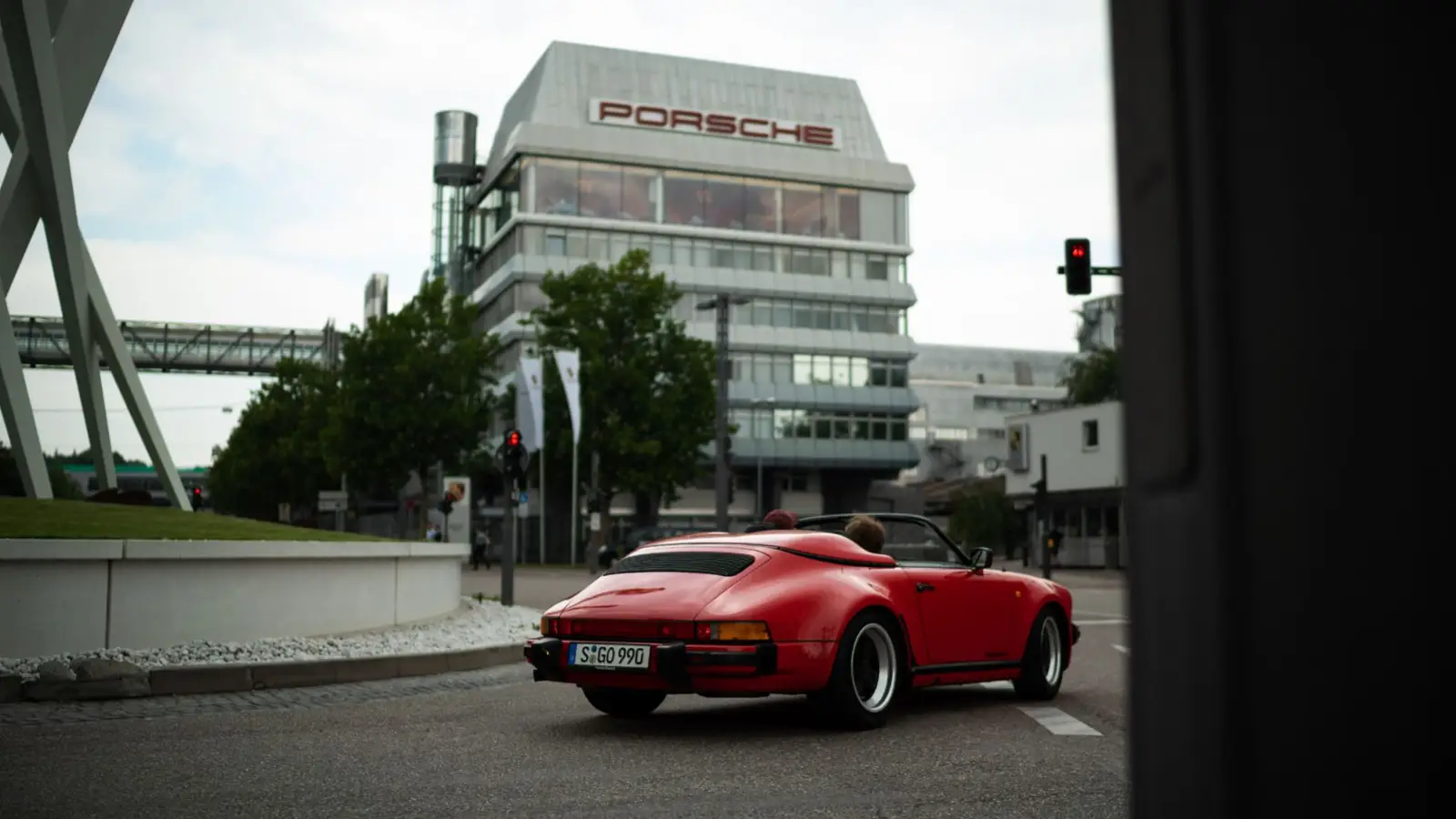
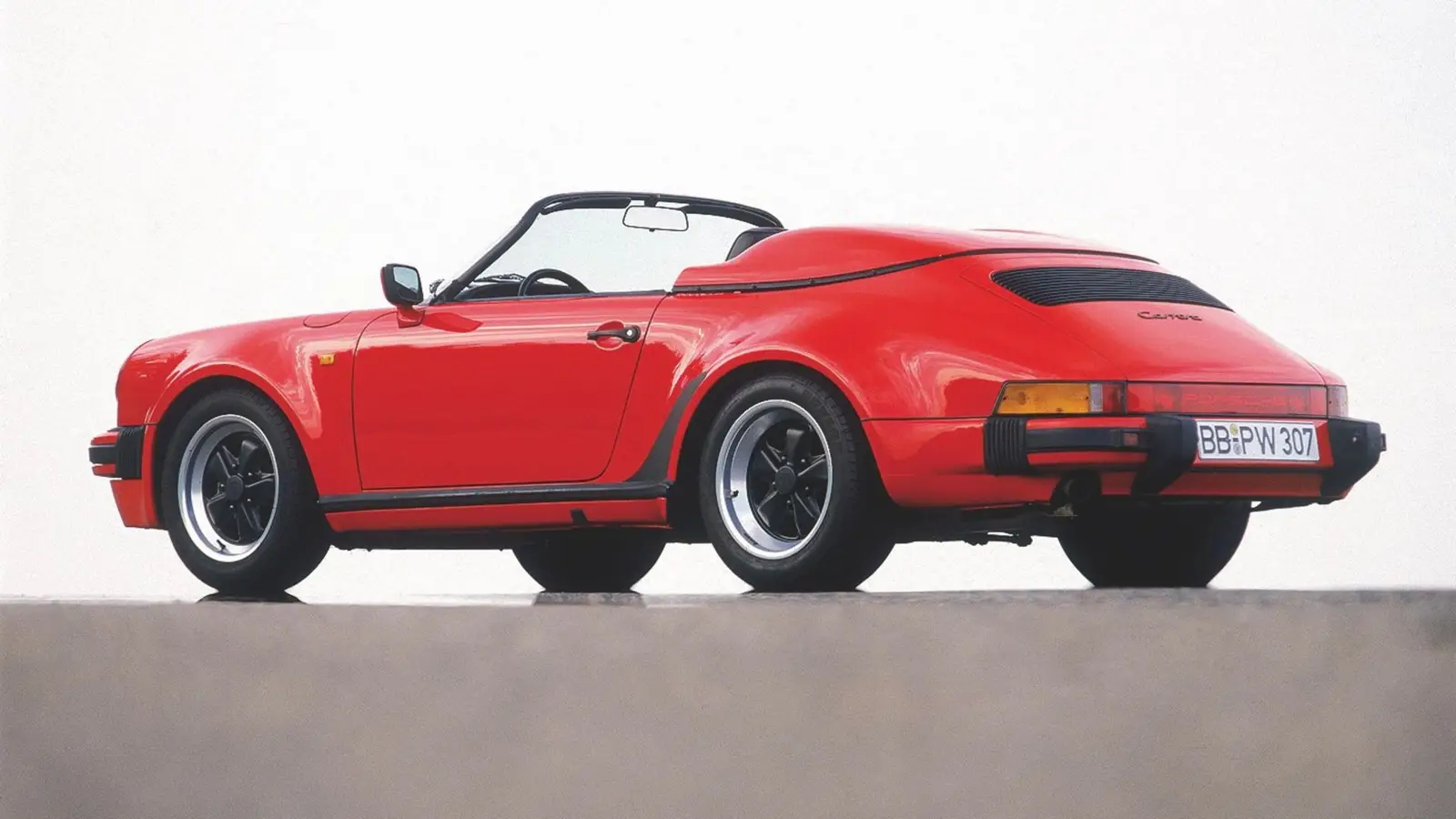
When the first 911 Speedster arrived in 1988, based on the G-series, it was no longer an “entry-level Porsche.” Yet the core concept remained unchanged. The shortened windscreen, manually operated soft top hidden beneath a distinctive rear cover, and the unmistakable rear design immediately set it apart from standard 911 models. It was not just an open-top variant—it was a more radical interpretation of the car.
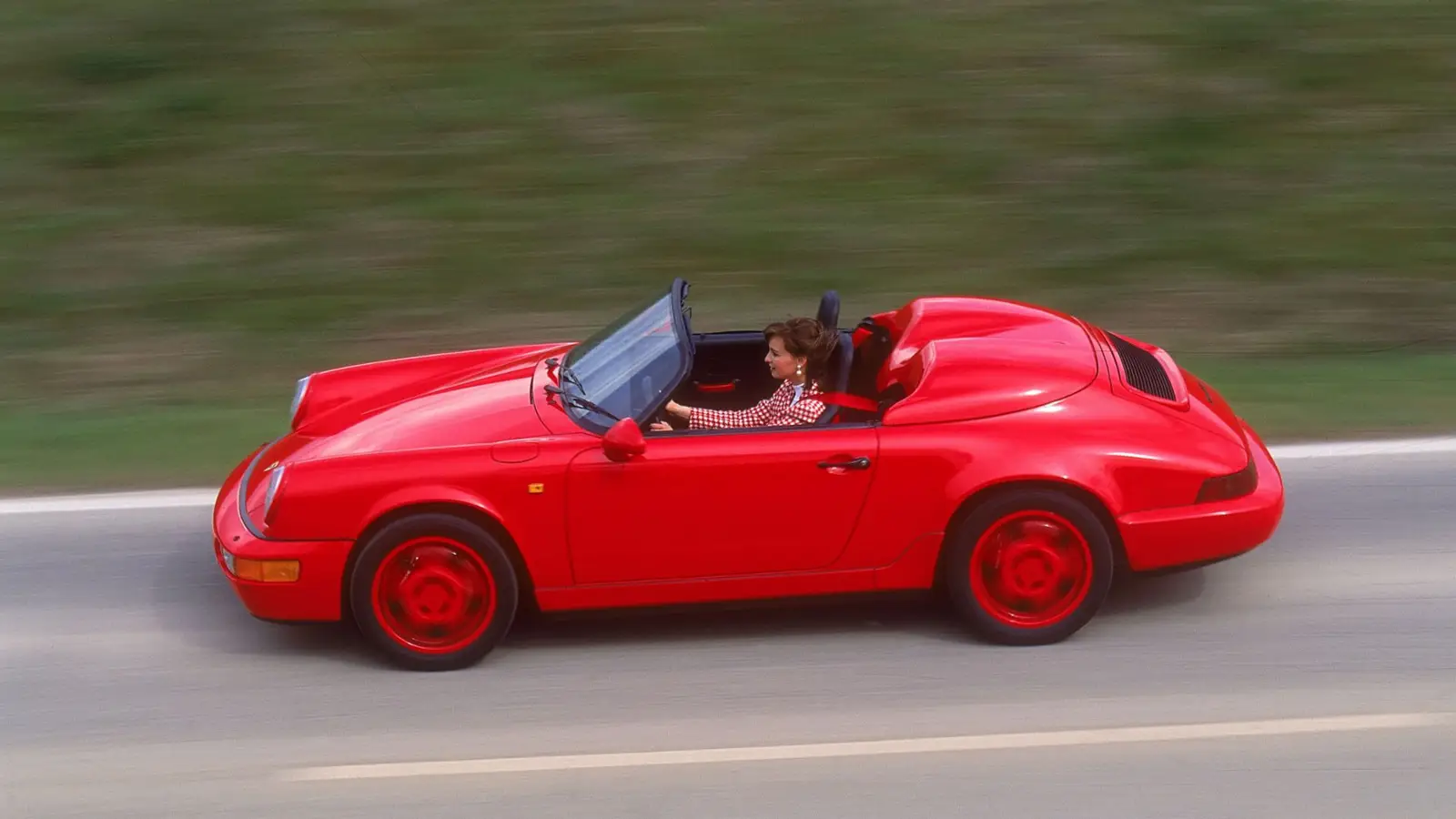
With the 964 generation, the idea evolved further. The Speedster became even more niche and more focused on purity. Porsche retained the shortened windscreen and the signature double-bubble rear cover, while deliberately simplifying certain elements of the car. Early versions even lacked features such as air conditioning or power windows, underlining its purist intent.
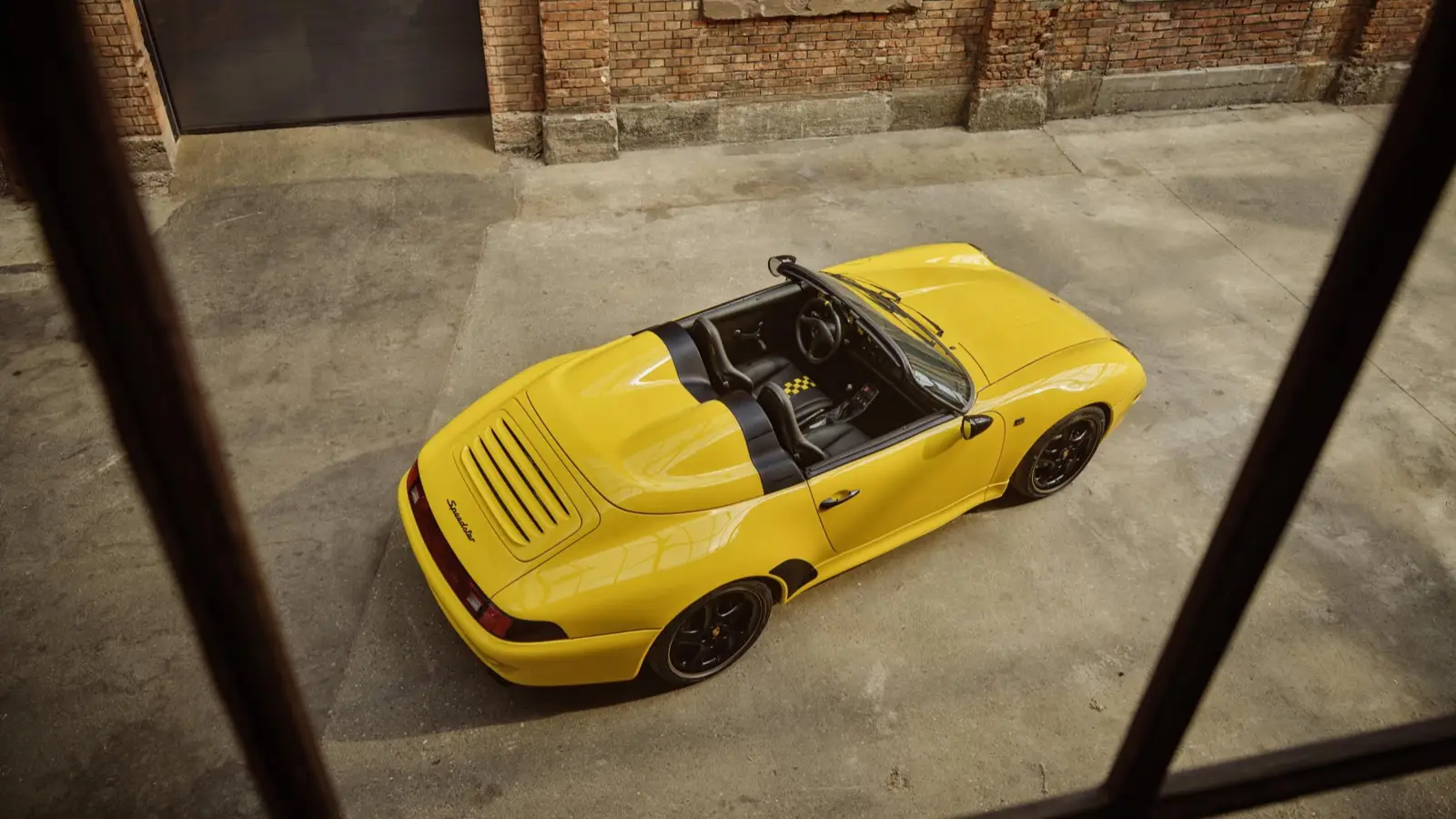
Then came a pause. In the 993 generation, there was no regular production Speedster at all. This detail is often overlooked, but it is crucial: Porsche has never treated the Speedster as a mandatory part of the 911 lineup. Only a few one-off examples existed, including two historic cars from the mid-1990s and a much later Sonderwunsch project. A production model, however, never materialized.
The concept returned in 2010 with the 997 Speedster. This time, Porsche clearly played with heritage. Production was limited to 356 units, a direct reference to the original 356 Speedster. The car featured a lower and more steeply raked windscreen, a wider rear end, and the classic double-bubble rear cover. At the same time, it was no longer stripped-down—it had become a highly exclusive and carefully crafted collector’s car.
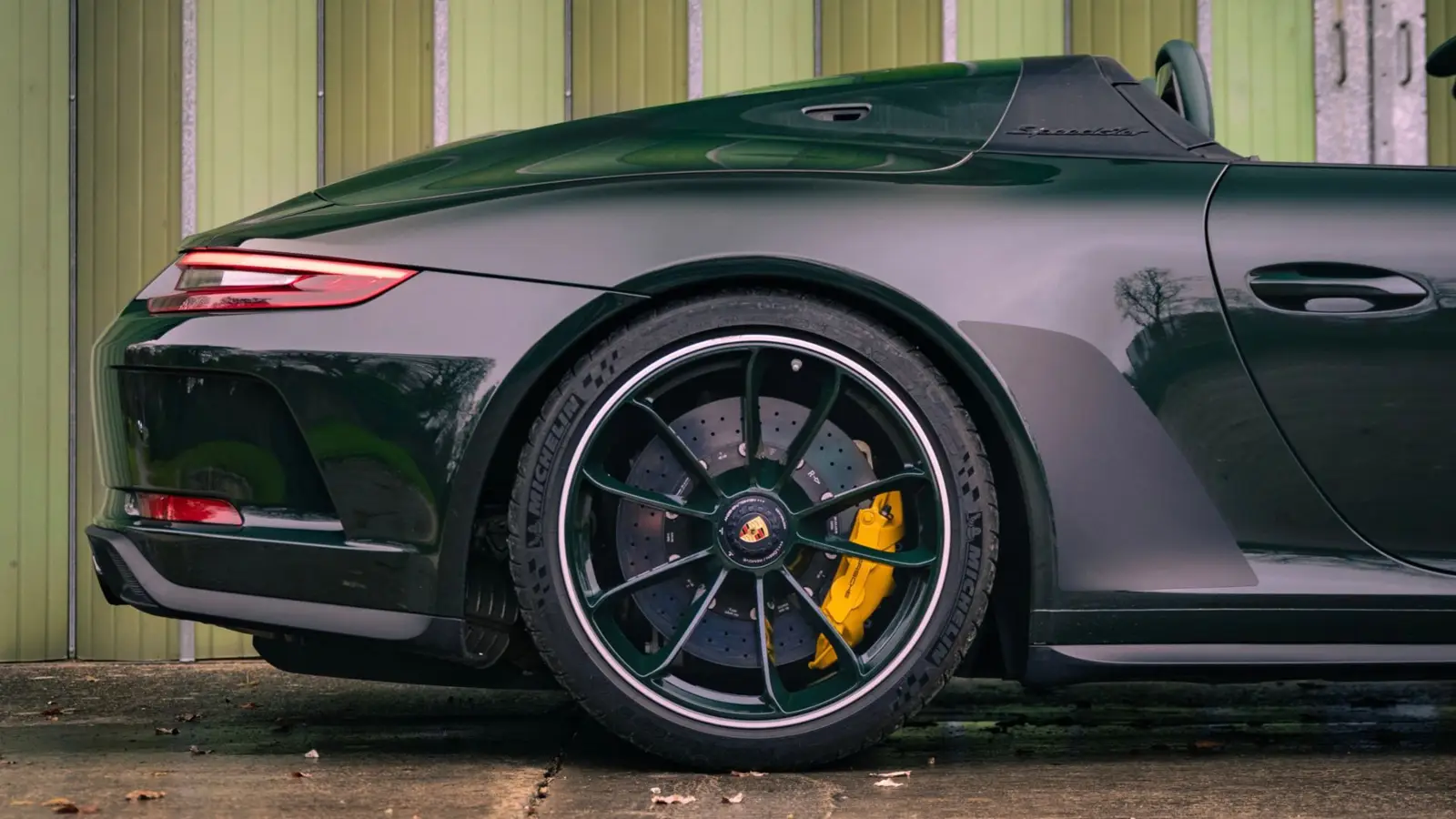
The most recent and arguably most extreme version arrived with the 991 Speedster in 2019. Here, the concept reached a new level. For the first time, a Speedster was based on a GT model, using the engine and chassis of the 911 GT3. The naturally aspirated 4.0-liter engine, GT-derived suspension, rear-axle steering and lightweight construction transformed it into something far beyond a design exercise. It became a true driver-focused machine.
Yet the defining characteristics remained intact. The Speedster is still a two-seater with a shortened windscreen, a low roofline and a distinctive rear section with twin streamliners. It is not a cabriolet in the conventional sense. Unlike the Carrera Cabriolet, which prioritizes usability and comfort with its fully automatic roof, the Speedster has always been about something else—pure driving experience, connection to the road and a sense of heritage.
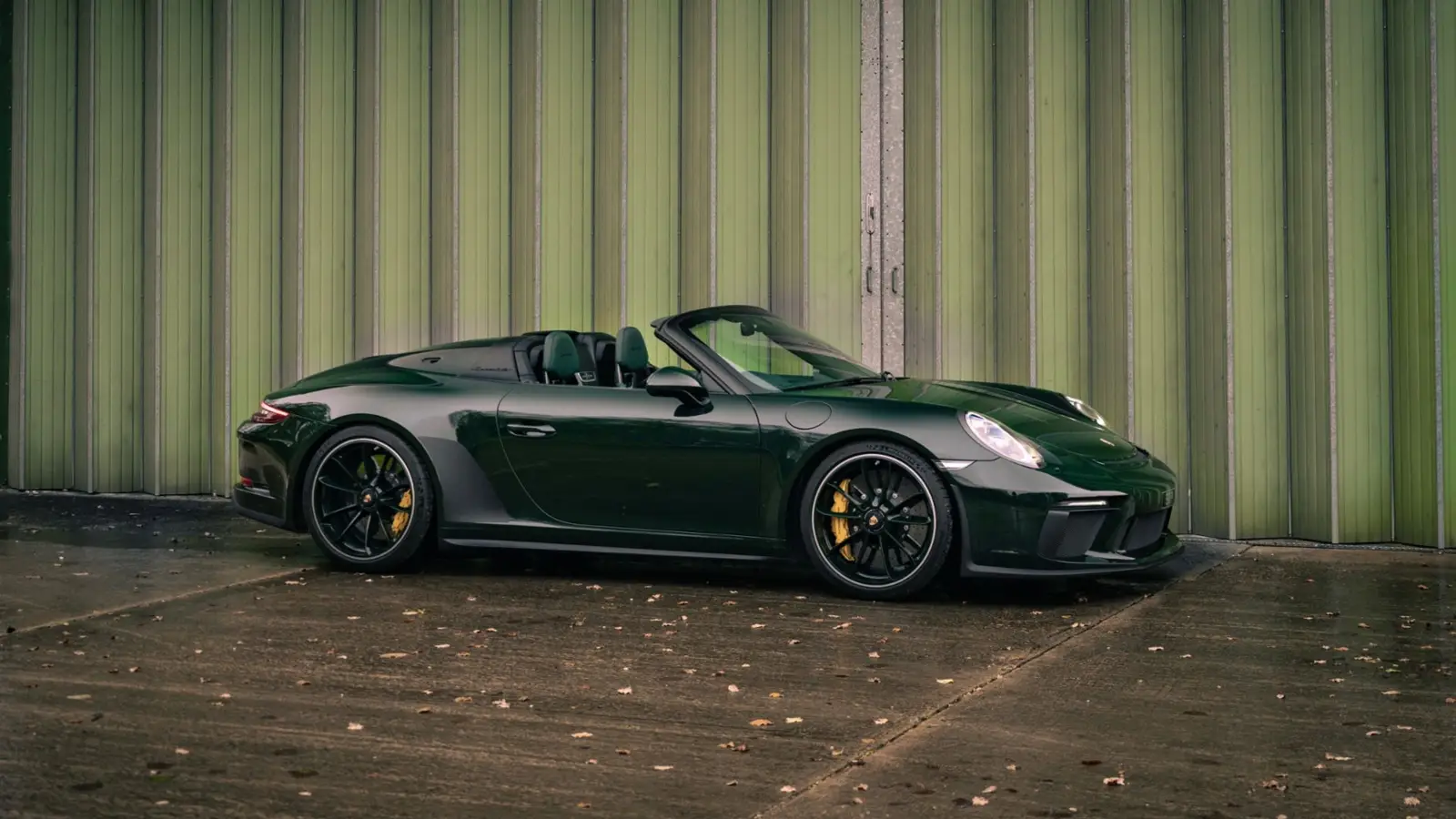
This is precisely why the Speedster has never been a mass-market version. It has never appeared in every generation, and production numbers have always been limited. In some eras, it disappeared entirely. Even today, it is absent from the current 911 lineup.
That is what defines its unique position. The Speedster is not just a rare variant of the 911—it is Porsche’s way of occasionally returning to its roots: lightweight, open sports cars where the driving experience matters more than comfort or versatility.
And judging by how Porsche revisits this idea every few generations, one careful assumption can be made: the Speedster will likely return again. But, as history suggests, it will do so on its own terms—not as part of a routine update, but as a deliberate and meaningful statement.
Ethan Rowden
2026, Apr 14 11:11