
Why German Buyers Are Rethinking Domestic Car Brands
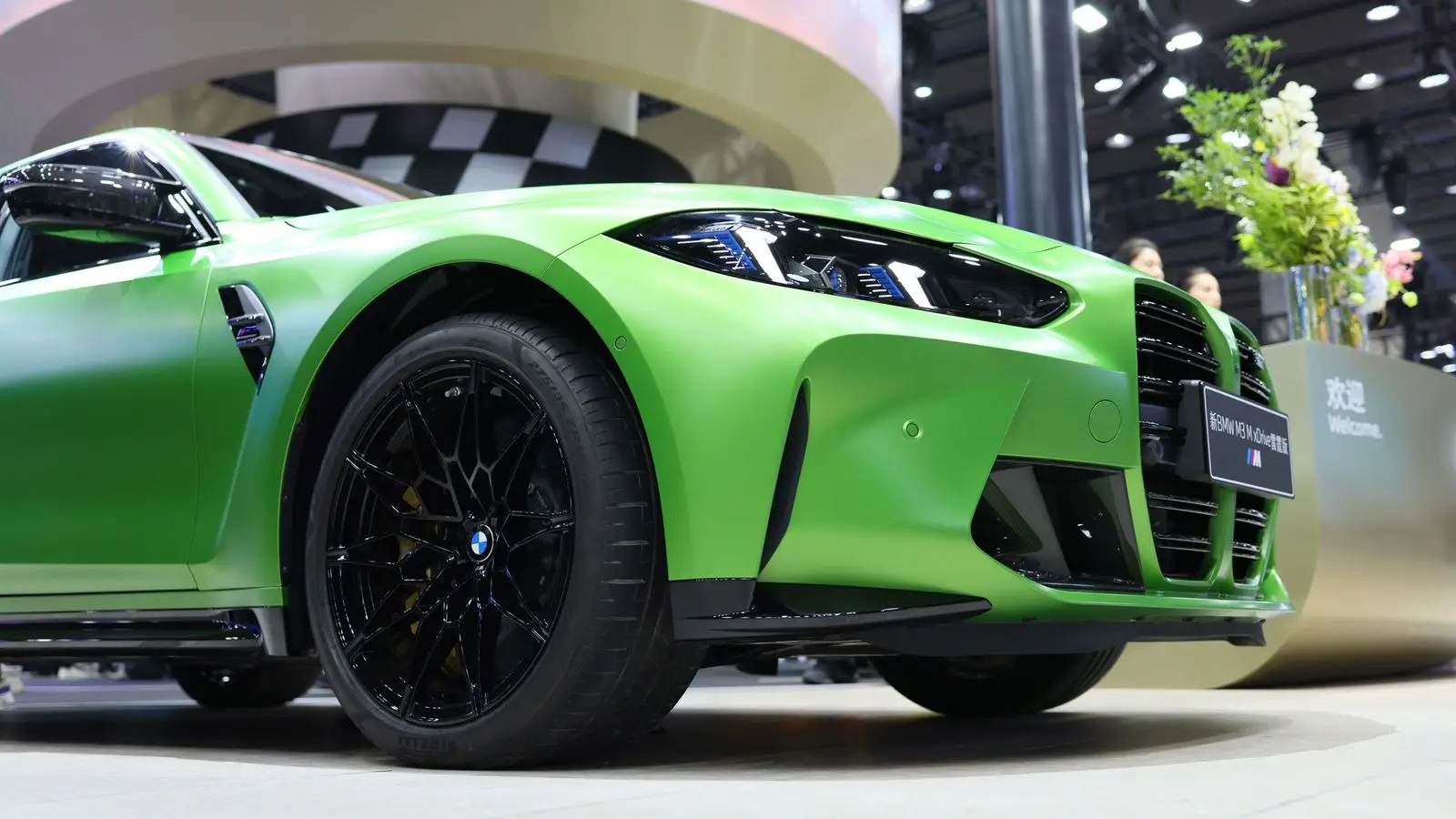
A study by AlixPartners shows 20% of German buyers avoid local brands, as price, software and ownership costs reshape car choice. Explore the market shift.
About 20% of car buyers in Germany no longer consider domestic brands, one of the highest shares among major markets. At the same time, German manufacturers still maintain strong sales positions, but the logic behind purchase decisions is gradually shifting.
A study by AlixPartners points to a change in consumer behavior: more buyers are comparing vehicles based on technology, price, and overall ownership experience rather than country of origin. These factors are becoming decisive. The decline in interest is particularly noticeable in German electric vehicles, a segment where competition is intensifying the fastest.
This shift matters because it comes amid continued growth in the electric vehicle market itself. In 2025, more than 545,000 fully electric cars were registered in Germany, a 43% increase year over year. Battery electric vehicles reached a 19.1% market share, while all electrified vehicles combined accounted for 30%. This suggests that interest in electric mobility is not fading, but rather being redistributed within the segment.
At the same time, pressure from Chinese manufacturers is increasing. They are rapidly expanding their presence in Europe, particularly in the electric segment. In the first quarter of 2026, Chinese brands boosted EV sales in Germany by nearly 64%, bringing their share close to 10% of the BEV market. Their competitive edge lies in proprietary software, flexible platforms, and more aggressive pricing.
Cost considerations are becoming increasingly important. In Germany, the average price of a new electric vehicle exceeds €47,000, compared to around €33,000 for gasoline cars. Maintenance and repair costs are also rising, up by roughly 27–30% in recent years. Nearly 60% of car owners have already adjusted their behavior, delaying service or seeking more affordable options.
Software is also emerging as a key factor in ownership experience. Around 23% of vehicles up to six years old report issues related to electronics or software, influencing perceived quality alongside traditional performance metrics.
Despite these changes, German brands retain strong customer loyalty. More than half of buyers still return to the same brand they previously owned. However, even within this loyalty, a more pragmatic approach is emerging: brand matters, but it no longer guarantees a purchase if it falls behind in price, digital features, or ease of use.
As a result, the market is gradually shifting toward a more rational comparison model. Buyers are increasingly evaluating cars as a combination of product and service, where origin matters less than the overall value and user experience.
Allen Garwin
2026, Apr 14 16:00