
BMW i7 with Gen6 battery reduces CO2 footprint, BMW reports
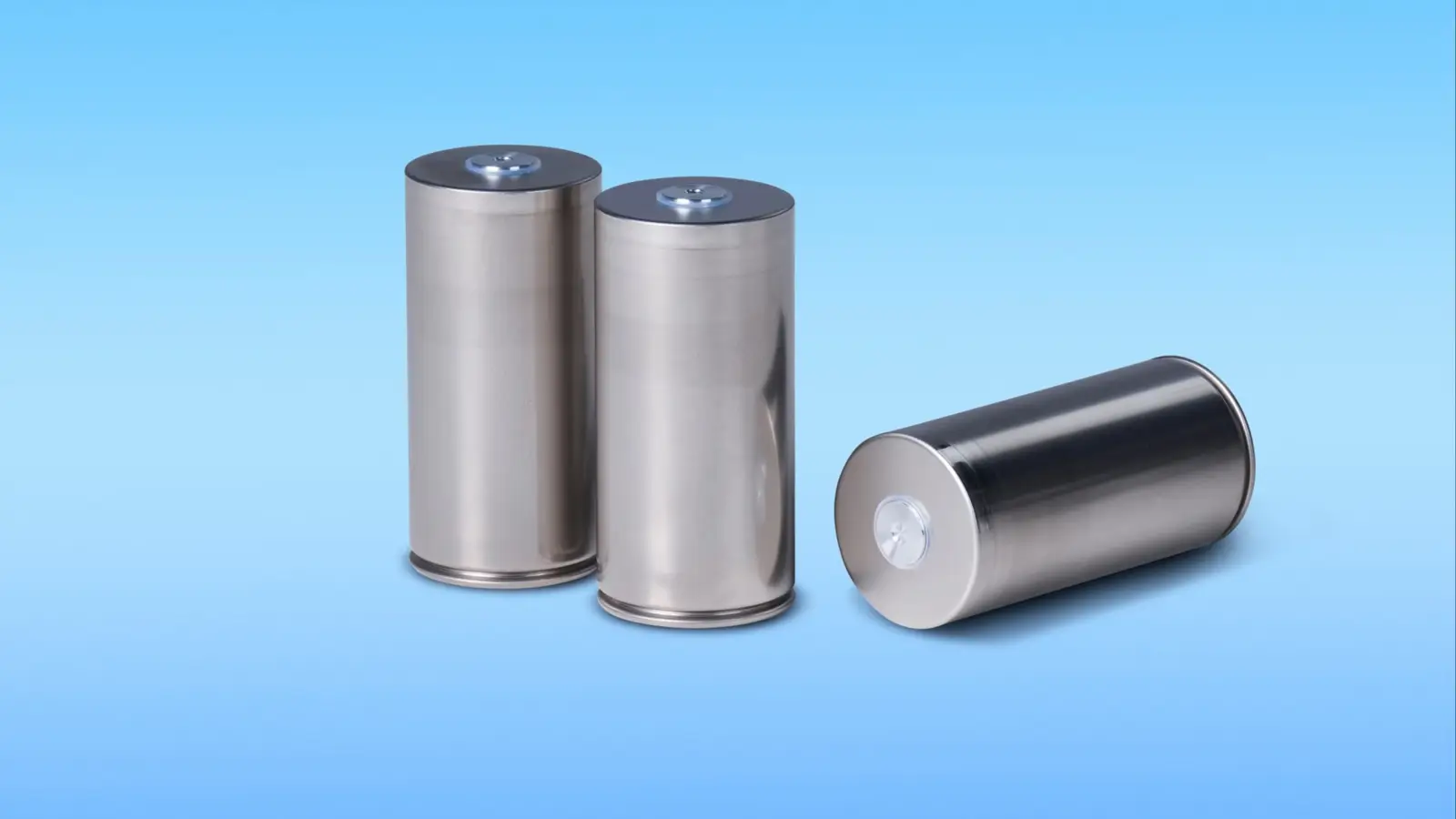
BMW reports new i7 uses Gen6 battery technology with 33% lower CO2 footprint, renewable energy production and recycled materials. Learn how it affects efficiency.
BMW has cut the carbon footprint of a core electric vehicle component by around one third — a result achieved with the new Gen6 battery introduced in the updated BMW i7.
This is not a minor upgrade but a broader shift in how the company approaches production. The high-voltage battery is manufactured using renewable energy, including the production of anode and cathode materials, and partially relies on secondary raw materials such as lithium, cobalt and nickel. Together, these measures reduce CO₂e emissions in the supply chain by approximately 33% compared to the previous Gen5 battery.
The technology itself has also advanced. The new battery uses cylindrical cells in the 4695 format, offering about 20% higher energy density. BMW points to increased driving range and faster charging, although specific figures for the updated i7 have not been disclosed. The batteries are produced in cooperation with Rimac Technology in Croatia and then delivered to Germany for final assembly.
For drivers, this translates into the prospect of longer journeys and reduced charging times, alongside a lower overall carbon footprint. According to BMW’s lifecycle assessments, the current i7 already produces up to 28% fewer emissions than a comparable diesel model, with the gap widening to around 54% when powered by renewable energy.
The sustainability effort extends beyond the battery. From 2026, selected wheel designs for the BMW i7 will use up to 70% secondary aluminium. Both aluminium production and wheel manufacturing are partially powered by renewable energy, while maintaining the company’s standard quality requirements.
Efficiency during everyday use is addressed through BMW’s EfficientDynamics package, which has been developed since 2007. It combines aerodynamic optimisation, lightweight construction, reduced rolling resistance and advanced energy management to lower overall energy consumption.
All versions of the BMW 7 Series, including the i7, are built at the Dingolfing plant in Germany. The facility already operates on 100% externally sourced renewable electricity. It is also equipped with a rooftop solar installation of around 11 MW capacity and a biomass heating plant that supplies part of its energy demand.
These developments align with BMW’s broader climate strategy. The company aims to achieve net zero emissions by 2050 and plans to reduce CO₂e emissions by at least 40 million tonnes by 2030. To support transparency, BMW publishes verified lifecycle carbon footprint data for its vehicles, covering everything from raw material sourcing to end-of-life recycling.
Mark Havelin
2026, Apr 15 23:55