
Rolls-Royce unveils Project Nightingale Coachbuild EV
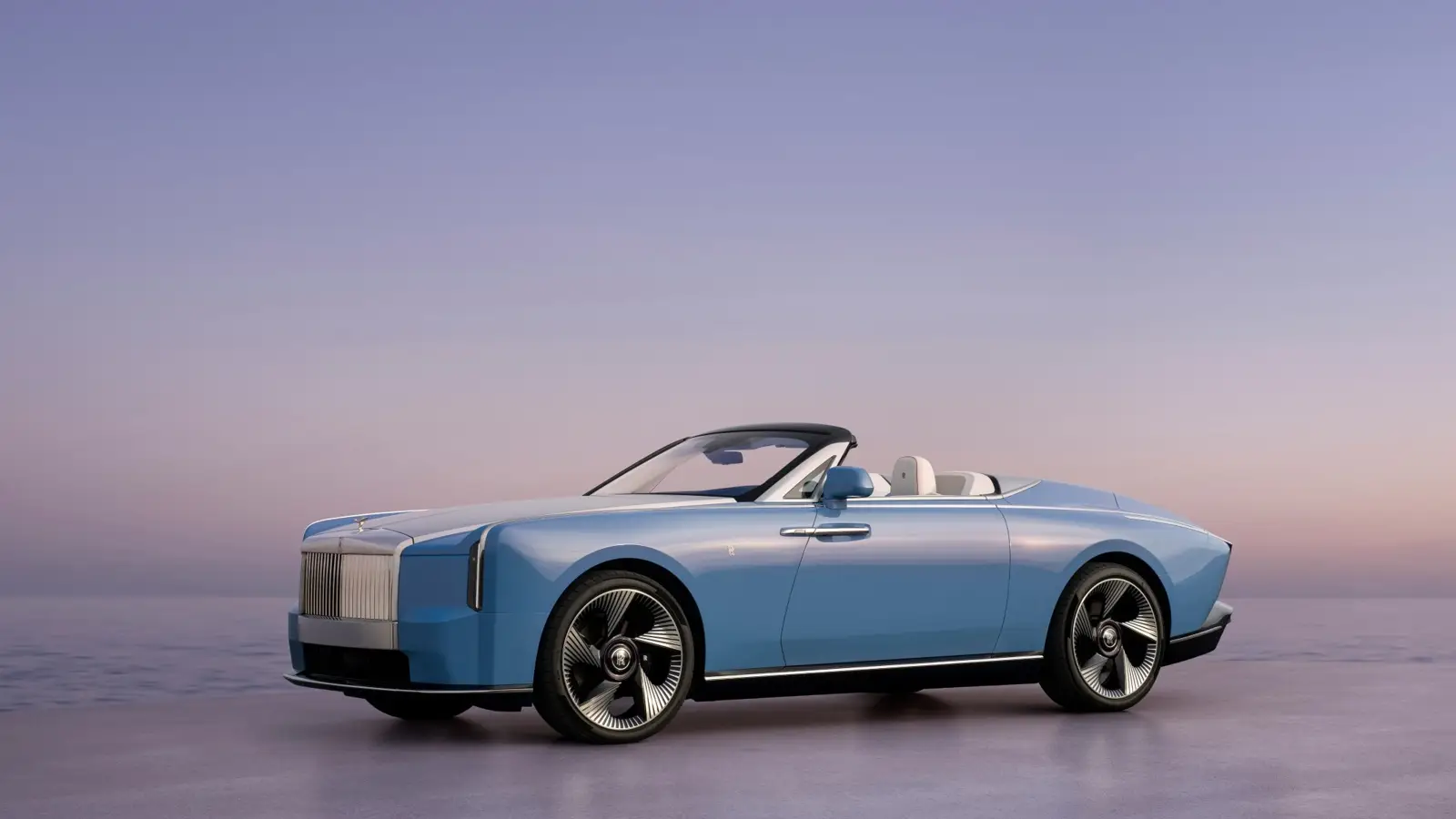
Rolls-Royce presents Project Nightingale, a limited Coachbuild Collection EV with 100 units planned. Explore design, heritage roots, and future production timeline.
Rolls-Royce has unveiled Project Nightingale as the first model of its new Coachbuild Collection, setting an ambitious tone from the outset: just 100 cars worldwide, a fully electric powertrain, and customer deliveries scheduled to begin in 2028. This is not a static showpiece, but a production concept set to enter a global testing and validation phase in summer 2026.
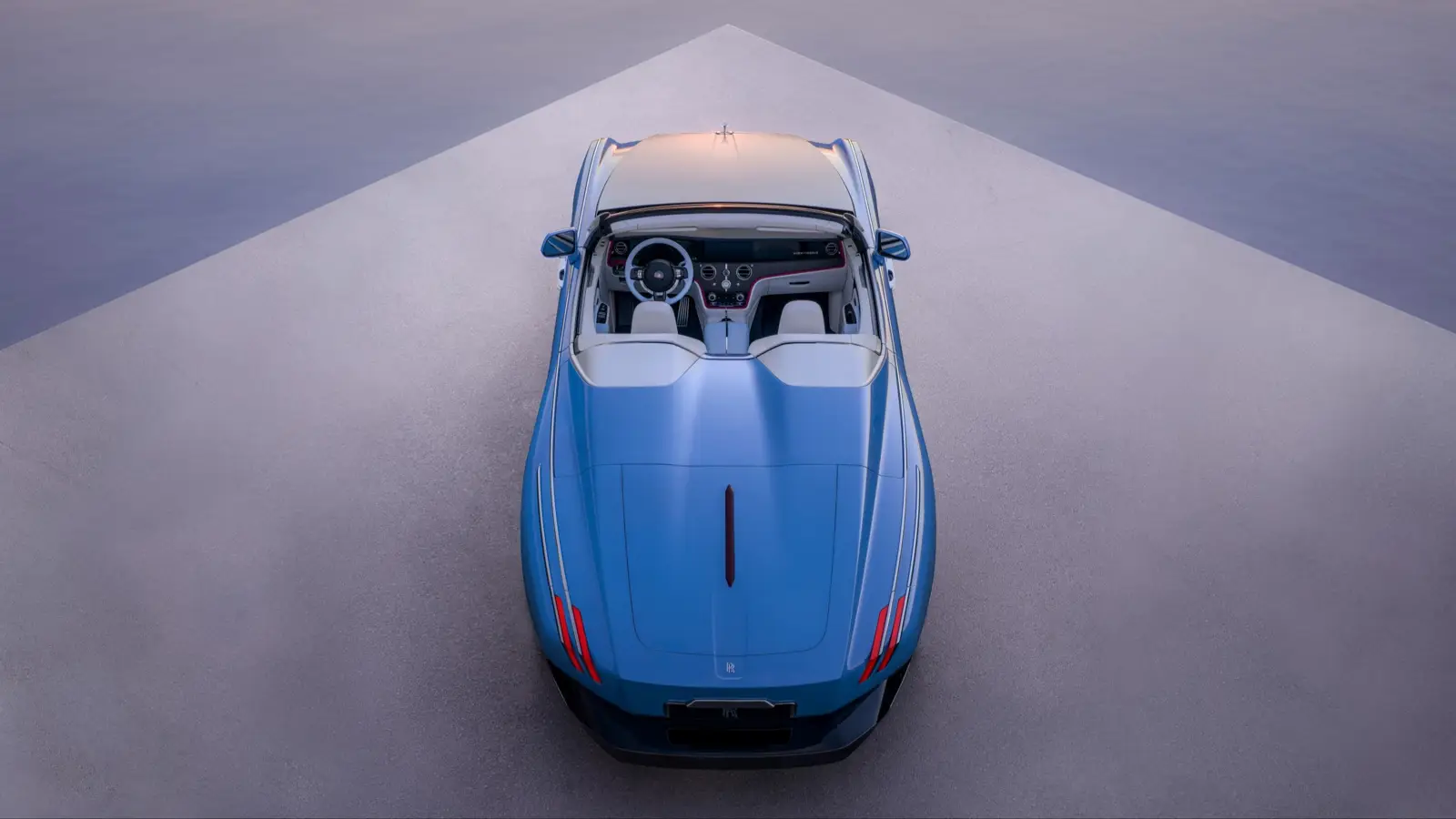
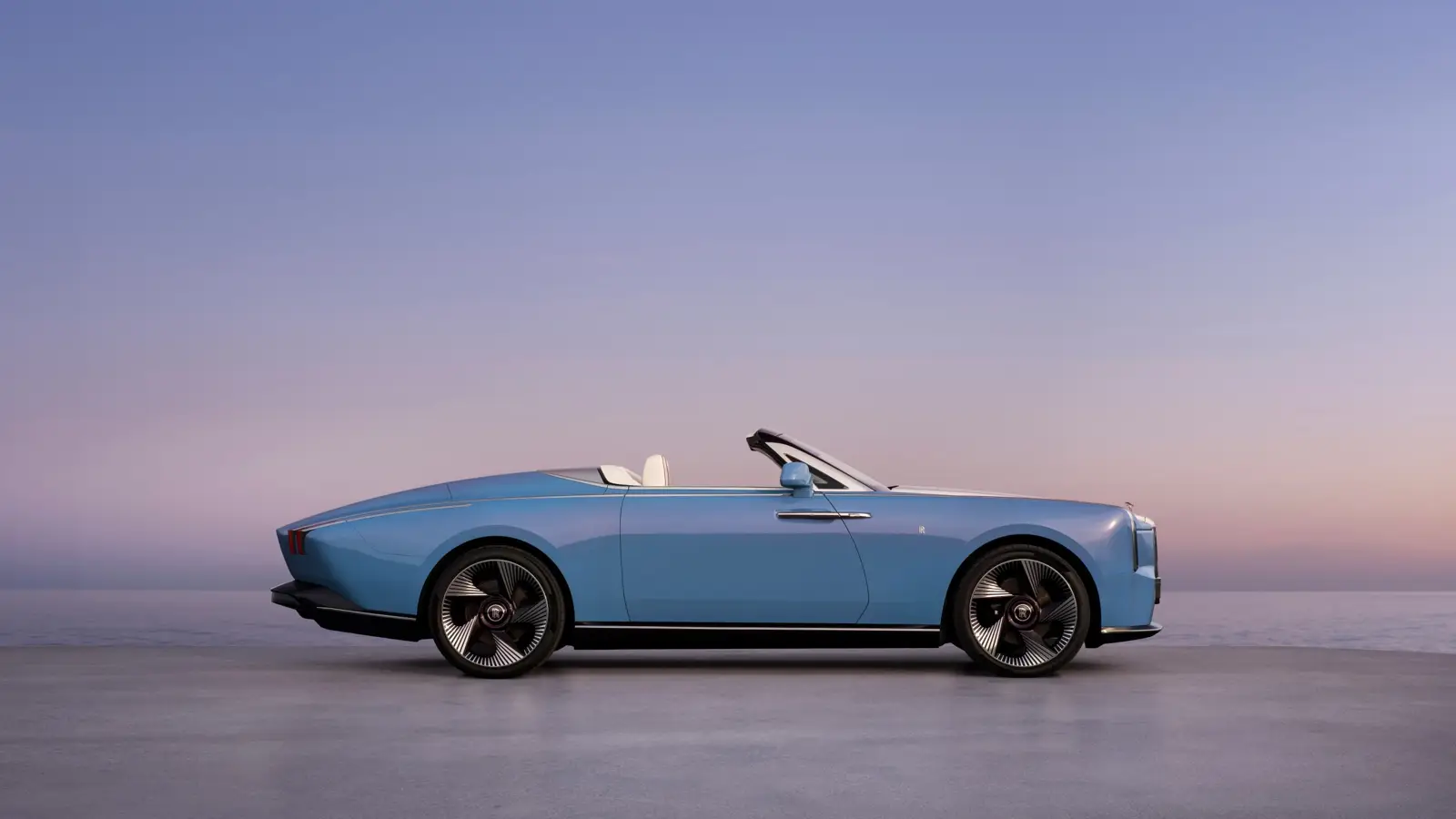
Nightingale takes the form of an open-top two-seat motor car measuring 5.76 metres in length, placing it close to the marque’s Phantom in scale, yet reinterpreted as a driver-focused convertible. It is built on the aluminium Architecture of Luxury, a platform designed to support extensive bespoke and coachbuilt commissions. The electric drivetrain plays a central role in its design, removing the need for large cooling intakes and exhaust systems, and allowing for uninterrupted surfaces and a cleaner, more monolithic form.
The significance of the project extends beyond the car itself. With Coachbuild Collection, Rolls-Royce formalises an approach previously seen in one-off creations such as Sweptail, Boat Tail and Droptail. The new programme combines the creation of a motor car with a multi-year series of curated experiences, inviting clients to take part in the creative and technical development of their commission.
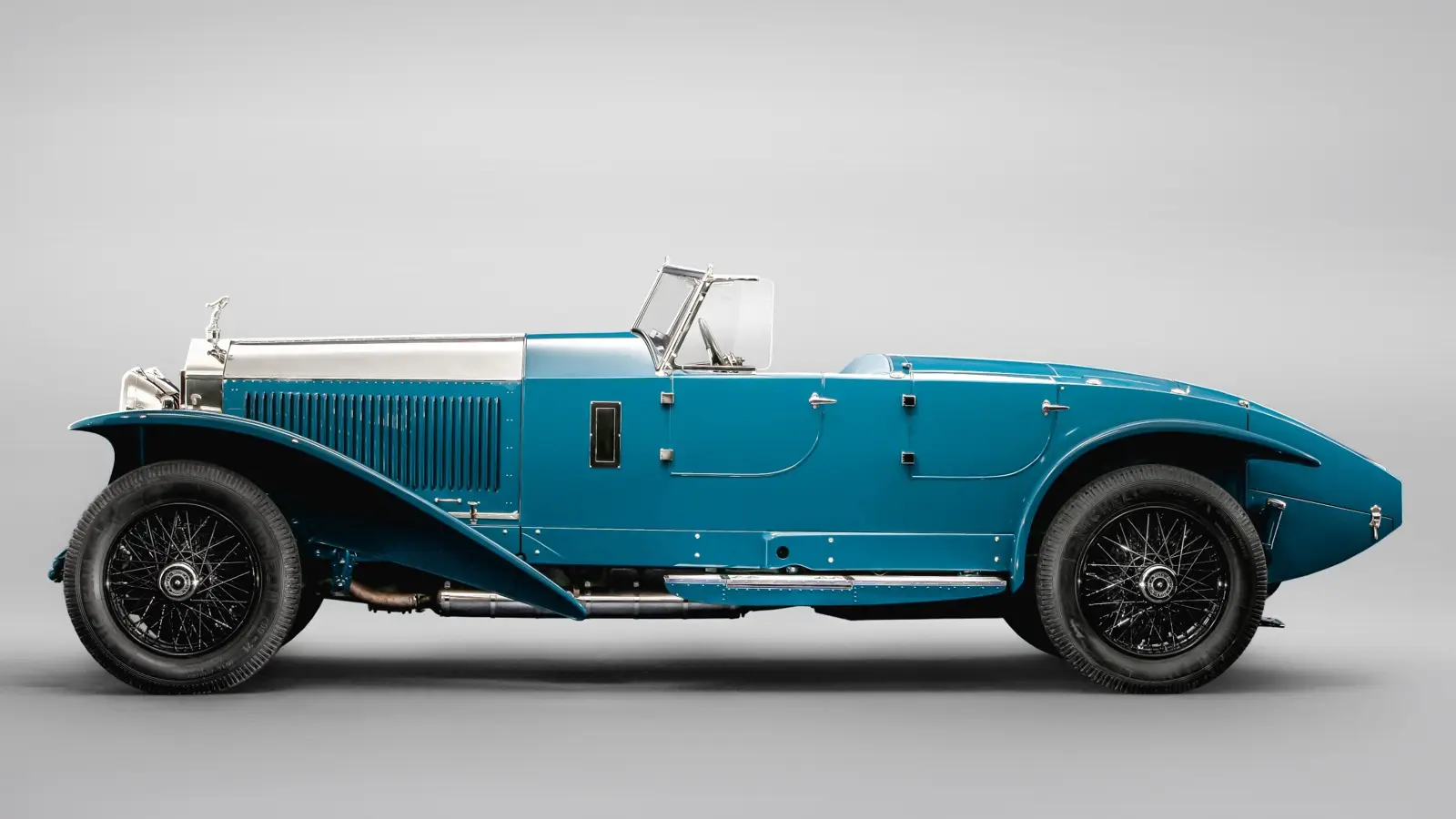
Design-wise, Project Nightingale draws directly from the marque’s heritage. It references the experimental 16EX and 17EX models of the late 1920s, which were developed to explore higher-speed capabilities. The proportions reflect that lineage, with an elongated bonnet and a deeply set cabin, while the use of red badges links the car to Rolls-Royce’s historic experimental prototypes. This is combined with the influence of Streamline Moderne, an Art Deco movement focused on pure forms and minimal ornamentation.
The exterior expresses this philosophy in detail. At the front, a bold Pantheon grille features 24 vanes and an integrated Spirit of Ecstasy figure. Along the sides, a continuous central fuselage line defines the car’s profile, reducing visual complexity. At the rear, a horizontal deck is paired with the distinctive Piano Boot, which opens sideways in a gesture designed to elevate a functional element into a moment of ceremony.
Inside, the focus shifts to silence and atmosphere. The electric drivetrain significantly reduces mechanical noise, while a soft-top roof incorporating cashmere and advanced composites enhances acoustic isolation. The centrepiece is the Starlight Breeze system, composed of 10,500 individual light elements inspired by the soundwave patterns of birdsong, surrounding occupants with a dynamic light composition.
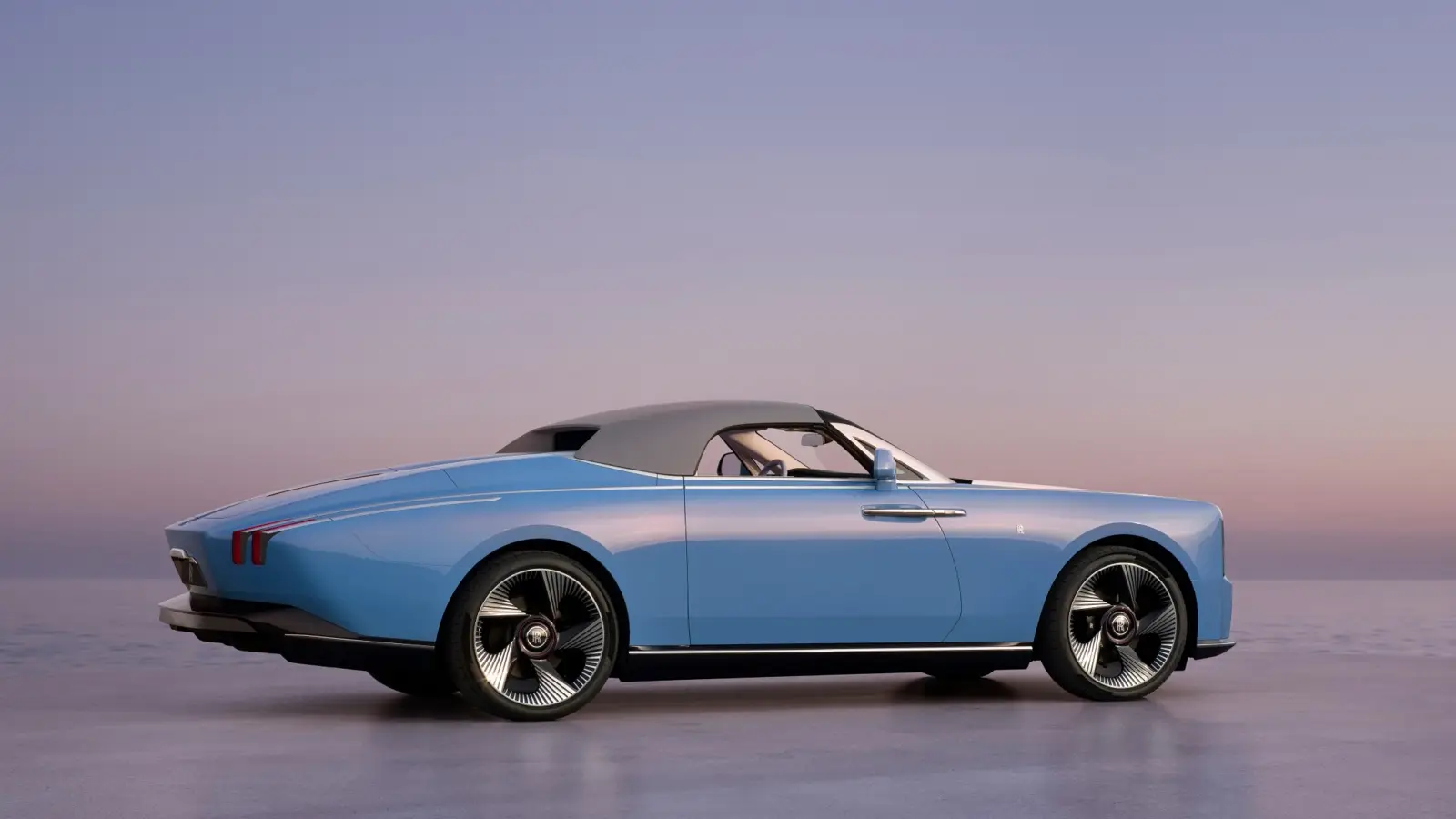
Each of the 100 cars will be developed in close collaboration with its commissioning client, using a unique palette of materials and finishes reserved exclusively for this collection. Rolls-Royce notes that certain design elements still require entirely new manufacturing techniques, currently under development, which contributes to the extended timeline leading up to production.
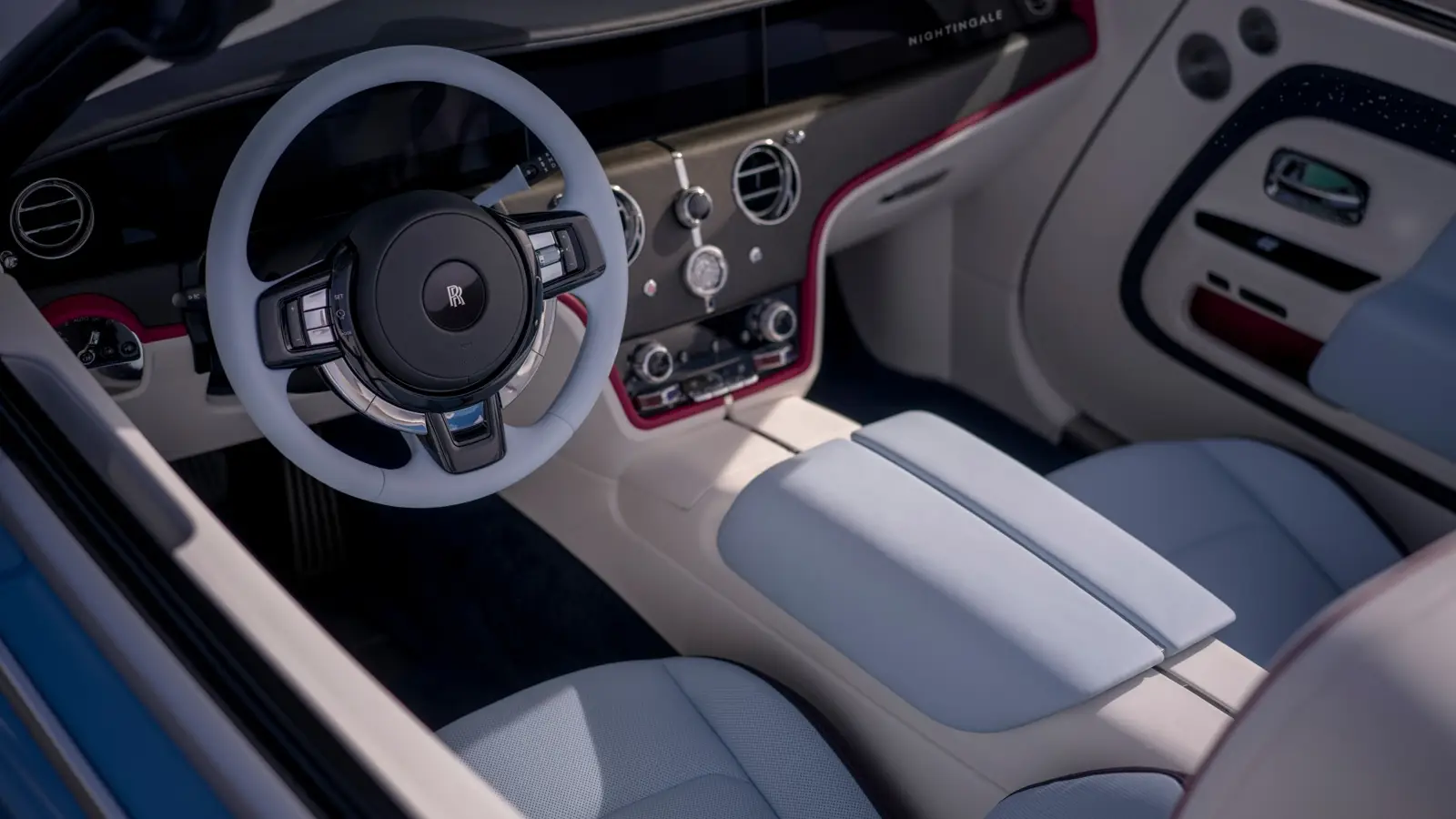
Project Nightingale marks a clear evolution in Rolls-Royce’s strategy, transforming its coachbuilding heritage into a structured, ongoing programme. It signals a future in which design, engineering and client participation converge into a single, highly curated product.
Mark Havelin
2026, Apr 16 15:30