
How Skoda sells cars to corporate fleets in Europe

Skoda explains how corporate fleet sales work in Europe, highlighting TCO, EV adoption and digital tools. Explore how business demand is shaping the auto market.
Corporate fleets already account for up to 60% of new car sales in Europe, making them the central battleground for automakers. For Skoda, this segment has become decisive: two out of every three vehicles the brand sells in Europe go to companies.
Working with these customers is fundamentally different from retail sales. There is little room for emotion. Businesses treat cars primarily as cost items and base decisions on Total Cost of Ownership (TCO). This includes not only the purchase price, but also depreciation, energy or fuel costs, maintenance, insurance and taxes. It allows companies to compare models and select the most economically efficient option.
This logic helps explain why corporate clients are increasingly switching to electric vehicles. In Europe, battery-electric cars reached a 15.2% market share in the first quarter of 2025, while in Germany electrified vehicles accounted for 27.5% of new registrations in the first five months of the year. The shift is not driven solely by environmental regulations: under certain conditions, electric vehicles offer lower overall ownership costs, making fleets a key driver of electrification.
Preferences vary significantly by region. In Central Europe, companies favour spacious models such as the Octavia, Kodiaq and Superb. In southern markets, compact cars like the Fabia and Kamiq are more common. In Scandinavia, the Benelux countries and the UK, demand is increasingly shifting towards electric models, particularly the Enyaq and Elroq. The latter has shown strong early performance, with more than 112,000 units produced in its first full year and over 150,000 orders recorded.
The Octavia remains a cornerstone of Skoda’s corporate success, having been the best-selling fleet vehicle in its category for over a decade. It combines practicality, efficiency and safety — key factors for business users. The electric Enyaq complements the range with a driving range exceeding 580 km and fast charging from 10 to 80% in around 28 minutes, making it suitable for fleet operations.
Safety remains non-negotiable. Companies rely heavily on Euro NCAP ratings, where Skoda models achieve top scores. Both the Octavia and Enyaq hold five-star ratings, reflecting strong performance in occupant protection and advanced driver assistance systems.
Another decisive factor is the rapid digitalisation of fleet management. What was once handled through spreadsheets is now driven by telematics and real-time data. These systems enable predictive maintenance, cost tracking, usage analysis and reduced downtime. Skoda is developing its own tools, including an online fleet configurator and the Fleet Interface system, which integrates vehicle data directly into corporate management platforms.
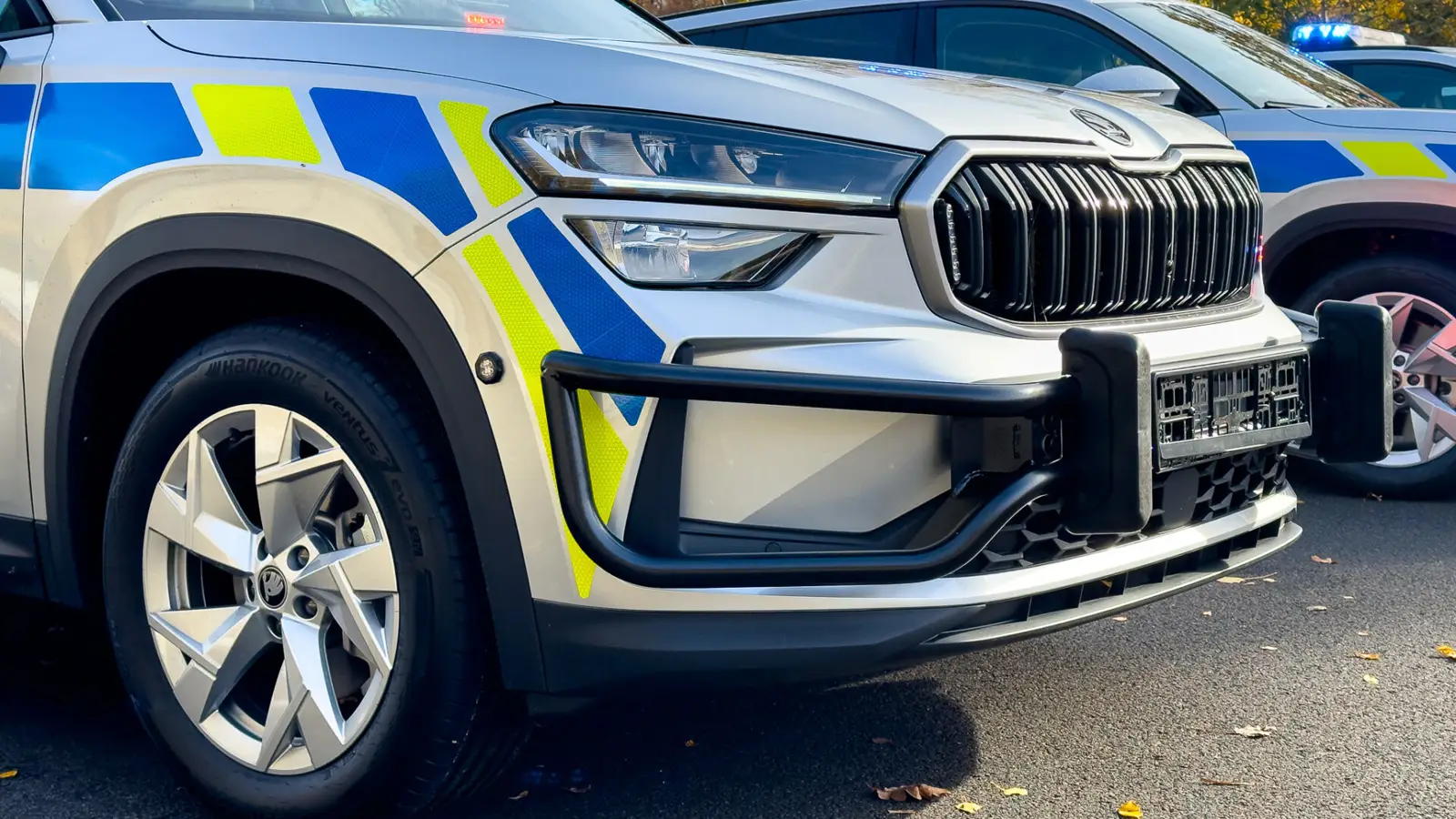
Large customers often procure vehicles through tenders involving hundreds or even thousands of units. In such cases, manufacturers must go beyond pricing and specifications, offering tailored solutions that meet operational and branding requirements. This turns corporate sales into a specialised discipline where flexibility and service quality are critical.
In a separate report, Skoda is strengthening its position in the corporate segment through public contracts, supplying 352 specially adapted Kodiaq SUVs based on the RS version to the Czech police fleet
The importance of this segment is already reflected in market results. In 2025, Skoda became the third best-selling brand in Europe for the first time, with corporate clients playing a major role. As emissions regulations tighten and digital tools evolve, fleet customers are expected to remain a central force shaping the automotive market.
Mark Havelin
2026, Apr 18 20:38