
Rivian and Redwood deploy EV battery storage system
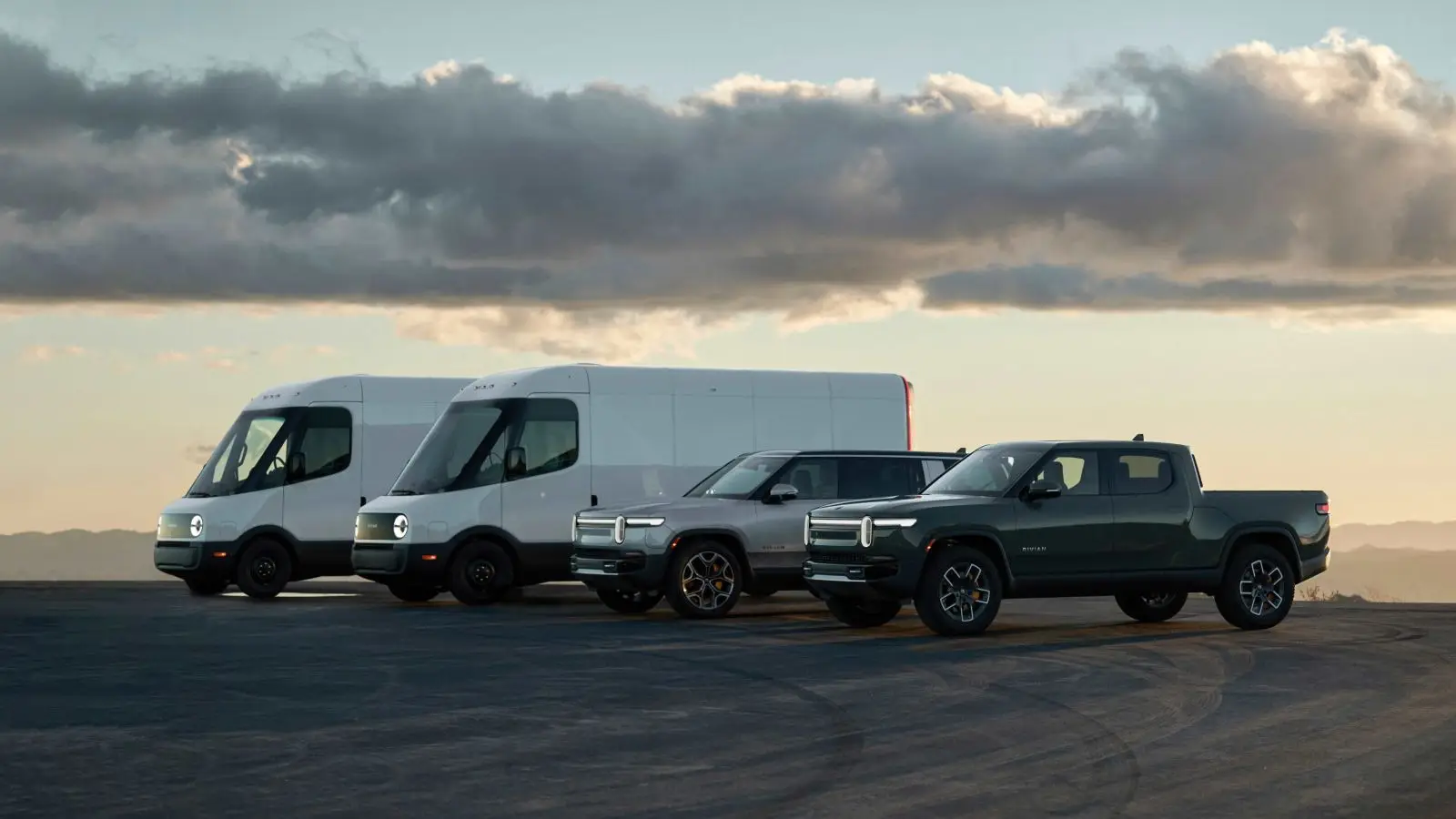
Rivian and Redwood Materials launch a second-life EV battery storage system in Illinois, using over 100 packs to cut costs and ease grid demand.
More than 100 used electric vehicle battery packs are now powering Rivian’s Illinois plant, forming one of the largest second-life energy storage systems deployed by a U.S. automaker.
The system, developed in partnership with Redwood Materials, delivers up to 10 MWh of dispatchable energy at Rivian’s manufacturing site in Normal. It is designed to operate during peak demand, helping the facility reduce electricity costs while easing pressure on the grid.
At the core of the project is the reuse of EV batteries that have completed their life in vehicles but still retain significant capacity. Industry data shows that such batteries often preserve around 70–80% of their original capacity, making them suitable for stationary energy storage. Redwood integrates these packs using its Pack Manager technology to create a unified and controllable energy system.
The timing reflects a broader shift in energy demand. Estimates indicate that the United States will need more than 600 GWh of energy storage by 2030 to manage peak loads and support growing sectors such as data centers and AI infrastructure.
Similar projects are already emerging across industries. Redwood previously deployed a 63 MWh microgrid for data centers, while in Germany companies including BMW, Bosch and Vattenfall have tested grid-connected storage systems built from retired EV batteries. These examples suggest that second-life battery use is moving from pilot stage into practical deployment.
The economic case is also a key driver. Reusing batteries can extend their lifecycle and, in certain scenarios, significantly reduce costs compared to new storage systems, although results depend on configuration and operational conditions.
For Rivian, the project demonstrates how its own battery packs can remain useful beyond vehicles. For Redwood, it aligns with a broader strategy to build a circular battery ecosystem — from recycling materials to redeploying them as energy storage before final processing.
Mark Havelin
2026, Apr 18 23:42