
Stellantis and Microsoft Deepen AI and Cloud Collaboration
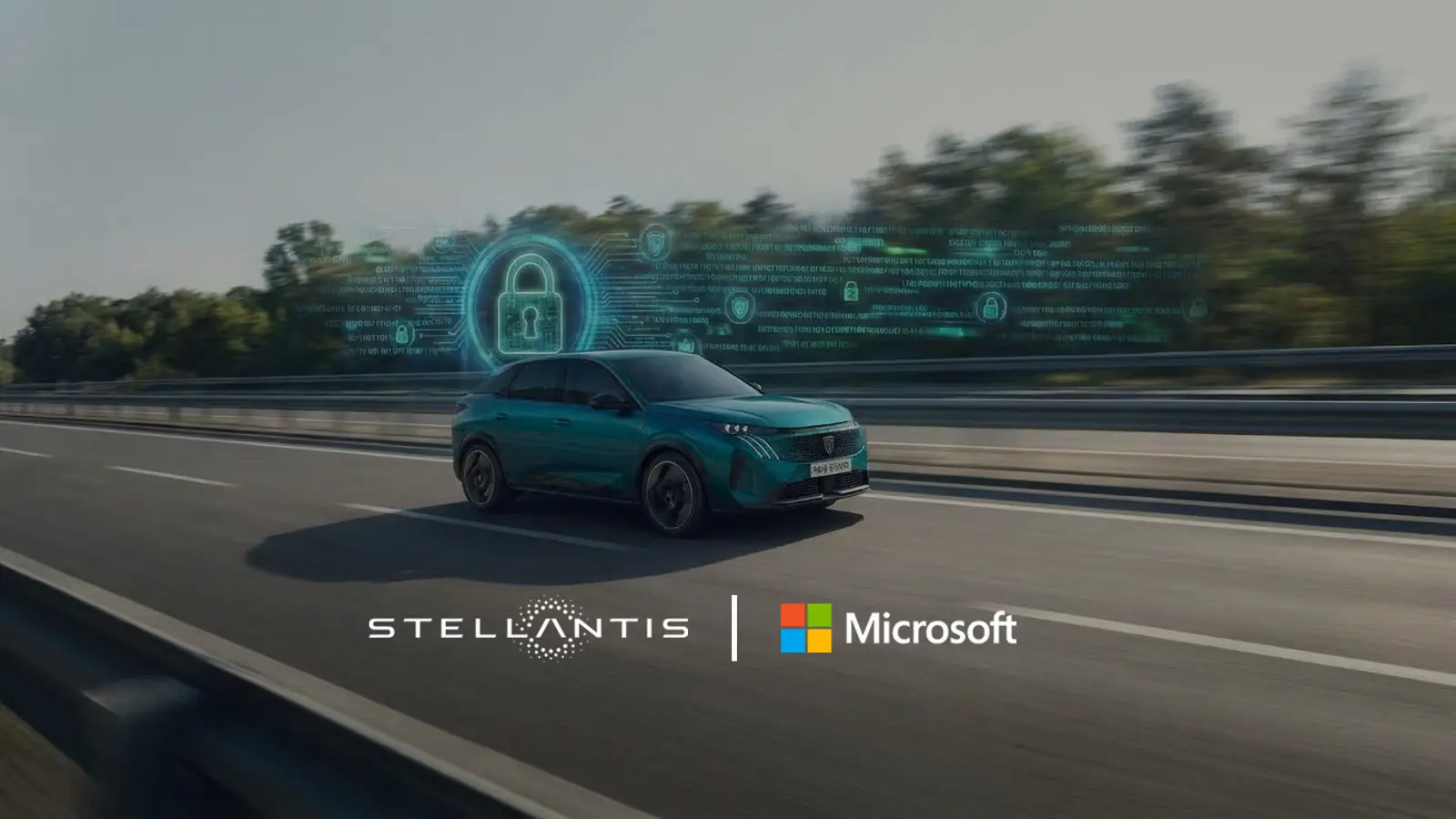
Stellantis and Microsoft announced a five-year partnership to expand AI, cloud, and cybersecurity in vehicles and operations. Explore what this means for the automotive industry.
Stellantis and Microsoft are launching more than 100 artificial intelligence initiatives as part of a five-year agreement aimed at reshaping the digital architecture of one of the world’s largest automakers.
Announced on April 16, 2026, the partnership brings together Stellantis’ engineering capabilities with Microsoft’s cloud, AI and cybersecurity technologies. The focus goes beyond isolated upgrades, targeting a broad transformation across product development, customer care and operational processes, with an emphasis on faster innovation and a more connected digital ecosystem.
The scale of the initiative is already clear. The companies are co-developing over a hundred AI projects, covering areas such as product development and validation, predictive maintenance and testing. On the customer side, this translates into features like energy-efficiency recommendations for Peugeot drivers and proactive vehicle health insights. For Jeep, the emphasis is on secure connected services that remain reliable even in remote environments.
The significance of this move becomes clearer when placed within Stellantis’ broader strategy. Under the Dare Forward 2030 plan, technology and artificial intelligence are central pillars of the company’s long-term direction. Earlier steps, including the acquisition of CloudMade’s AI technologies and the rollout of virtual engineering platforms, already signaled a shift toward software-driven development. The collaboration with Microsoft extends this trajectory at a larger scale.
Cybersecurity is another key component. Stellantis plans to deploy a global AI-driven cyber defense center covering IT systems, connected vehicles, manufacturing sites and digital services. This reflects a wider industry trend, where increasing connectivity in vehicles has led to stricter regulatory requirements and a growing focus on protecting data and digital infrastructure.
The technological backbone of the project is Microsoft Azure. Through cloud modernization, Stellantis aims to reduce its data center footprint by 60% by 2029 and build a more scalable and resilient digital environment. Similar cloud-based approaches are already being adopted across the automotive sector, positioning this move within a broader industry shift.
At the same time, the company is strengthening its internal digital capabilities. All employees now have access to Copilot Chat, while 20,000 Microsoft 365 Copilot licenses are being deployed for selected roles. These tools are designed to enhance productivity in areas ranging from data analysis to engineering collaboration, supported by dedicated training programs.
The agreement is set for five years, with joint teams and Microsoft-certified partners working alongside Stellantis to advance key technology programs. The direction is clear: a deeper integration of AI, cloud and security technologies into every layer of the automotive business, from design to customer experience.
Mark Havelin
2026, Apr 19 06:17