
Hyundai conducts EV extrication training for firefighters
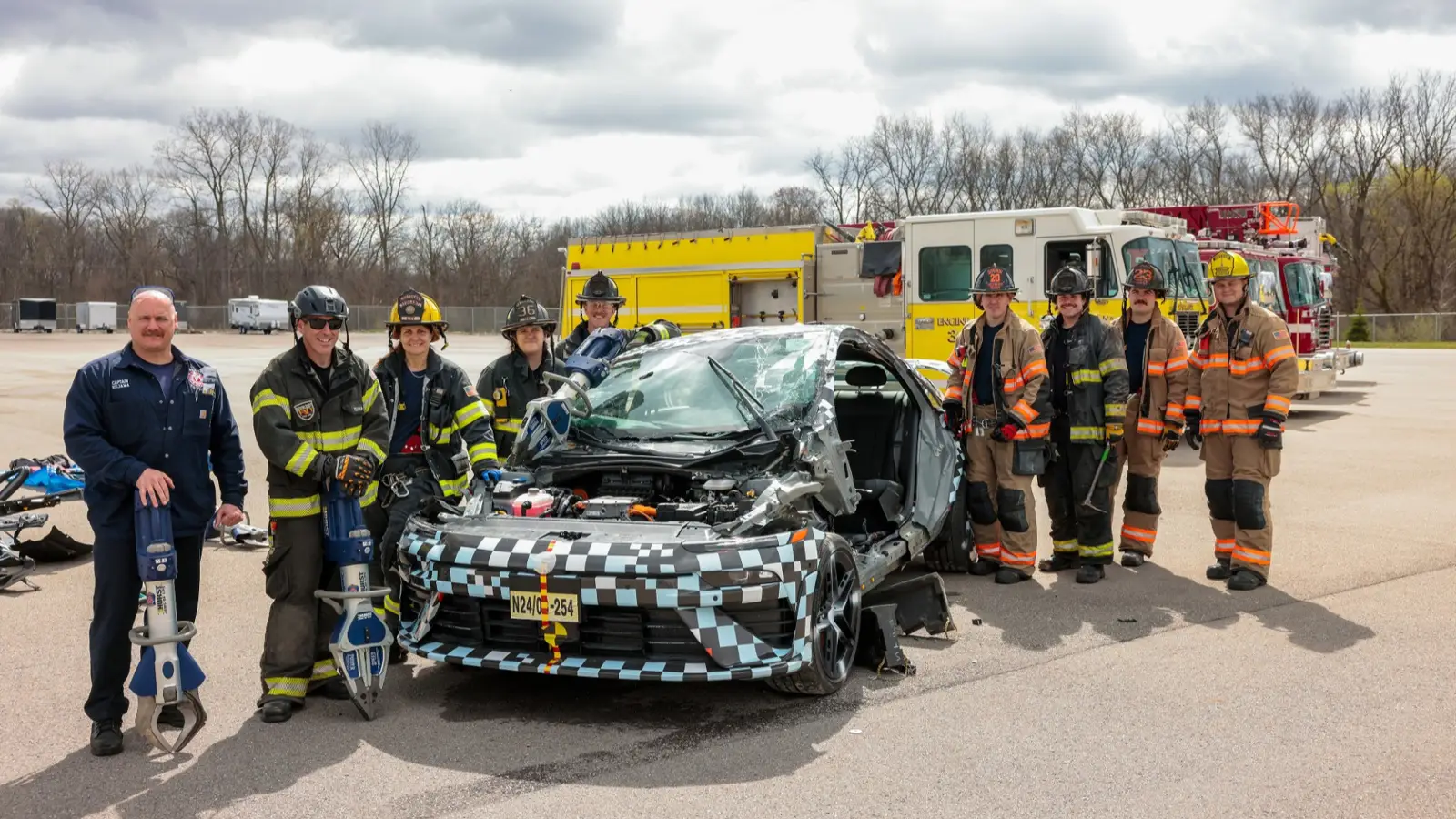
Hyundai held EV crash training for firefighters in Michigan, focusing on extrication, high-voltage risks, and safety protocols. Learn how responders prepare.
Six crashed electric vehicles became a live training ground for firefighters in Michigan, where Hyundai staged a hands-on extrication program designed to mirror real-world accident scenarios involving modern EVs.
The exercise took place at the company’s Safety Test and Investigation Laboratory (STIL), where emergency responders practiced complex rescue operations, including victim extraction from heavily damaged vehicles. The focus extended beyond traditional crash response to include the unique challenges posed by electric vehicles.
The significance of this training lies in the shifting risk profile of modern cars. As electric vehicles become more common, emergency crews face new hazards such as high-voltage systems, potential electric shock, battery-related fires, and the release of hazardous gases. While core rescue techniques remain similar, both U.S. and German safety guidance emphasizes the need for precise procedures and deeper technical understanding of vehicle architecture.
To support this, automakers provide specialized Emergency Response Guides and rescue sheets. These documents outline vehicle structure, identify high-voltage components, and give step-by-step instructions for disabling power systems and safely accessing occupants. They have become a critical tool for first responders and are increasingly used directly at accident scenes.
Firefighters involved in the training noted that they typically work with outdated vehicles during drills. Exposure to modern electric vehicles in a controlled environment allows them to develop skills aligned with what they now encounter on real roads.
The STIL facility itself, opened in 2024, serves as a dedicated center for safety research, crash replication, and failure analysis. Insights gained here feed both vehicle development and responder training, linking engineering with real-world emergency response.
At the same time, Hyundai continues to expand its broader safety initiatives, including robotics for firefighting and support technologies for emergency personnel. This reflects a wider industry shift: safety is no longer limited to vehicle design but increasingly includes how effectively responders can operate in high-risk situations.
Mark Havelin
2026, Apr 20 11:26