
Toyoda Gosei unveils hidden air conditioning register for cars
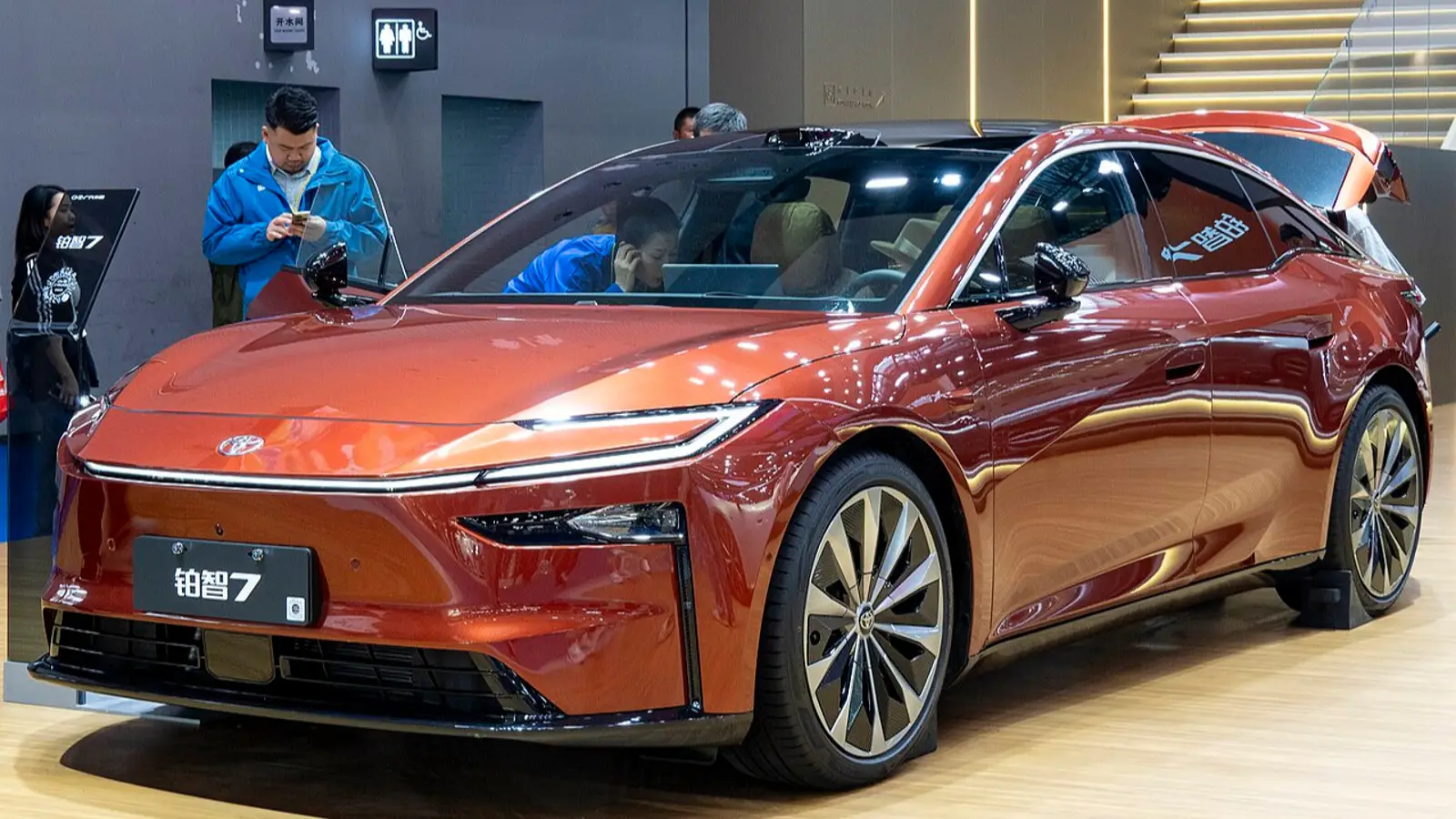

Toyoda Gosei introduces a hidden air conditioning register used in Toyota bZ7, combining airflow simulation and screen controls to support minimalist car interiors. Learn more.
Hidden air-conditioning vents controlled via a screen have entered mass production: Toyoda Gosei has introduced its new solution in the all-electric Toyota bZ7, launched in China in March 2026.
The component, described as an electric hidden register, features an unobtrusive aperture that eliminates the need for visible fins. Instead of traditional louvers, airflow direction is controlled by an internal mechanism optimized through flow analysis simulation. This approach maintains air-conditioning performance while allowing the vent to blend seamlessly into the instrument panel.
The shift to electronic control via the vehicle’s display marks another key change. Conventional manual adjustment has been replaced by screen-based operation, reinforcing the clean and minimal layout of the cabin. This aligns with a broader transition in automotive interiors, where physical elements are increasingly reduced in favor of digital interfaces, particularly in electric vehicles.
Toyoda Gosei has been moving in this direction over several product generations. In 2025, the company introduced an ultra-thin register that reduced thickness by about 40% while maintaining airflow performance. The new development goes further by effectively concealing the vent entirely within the panel surface.
The context of the Toyota bZ7 highlights why such changes matter. The model is a large electric sedan, over five meters in length, developed for the Chinese market with local partners and equipped with advanced digital systems, including Huawei-based cockpit technology and driver assistance from Momenta. In vehicles like this, interior design becomes a defining feature, increasing the demand for seamless and visually simplified components.
More broadly, the hidden register reflects an ongoing shift in the industry. As electrification and automation progress, car interiors are being reimagined as comfortable, living room-like environments rather than purely functional spaces. This drives the adoption of smooth surfaces, concealed elements, and deeper integration of controls into digital systems.
At the same time, the move toward screen-based operation continues to raise questions within the industry, as increased reliance on menus can complicate interaction. In this case, however, the transition is presented as part of a wider effort to align engineering solutions with evolving design expectations.
The new hidden vent is not just a technical update, but a signal of how automotive interiors are changing — where airflow control, digital interfaces, and visual simplicity are becoming increasingly interconnected.
Allen Garwin
2026, Apr 20 21:47