
New electric Mercedes-Benz C-Class: design, range, tech
Mercedes-Benz presents the new electric C-Class with up to 760 km range, advanced tech, and updated design. Explore full specs, features, and details.
The electric Mercedes-Benz C-Class is not just a familiar model switching to a new powertrain — it represents a broader attempt to redefine what an executive sedan should be in the electric era. The transformation goes far beyond the drivetrain, extending into design, technology, and overall philosophy.
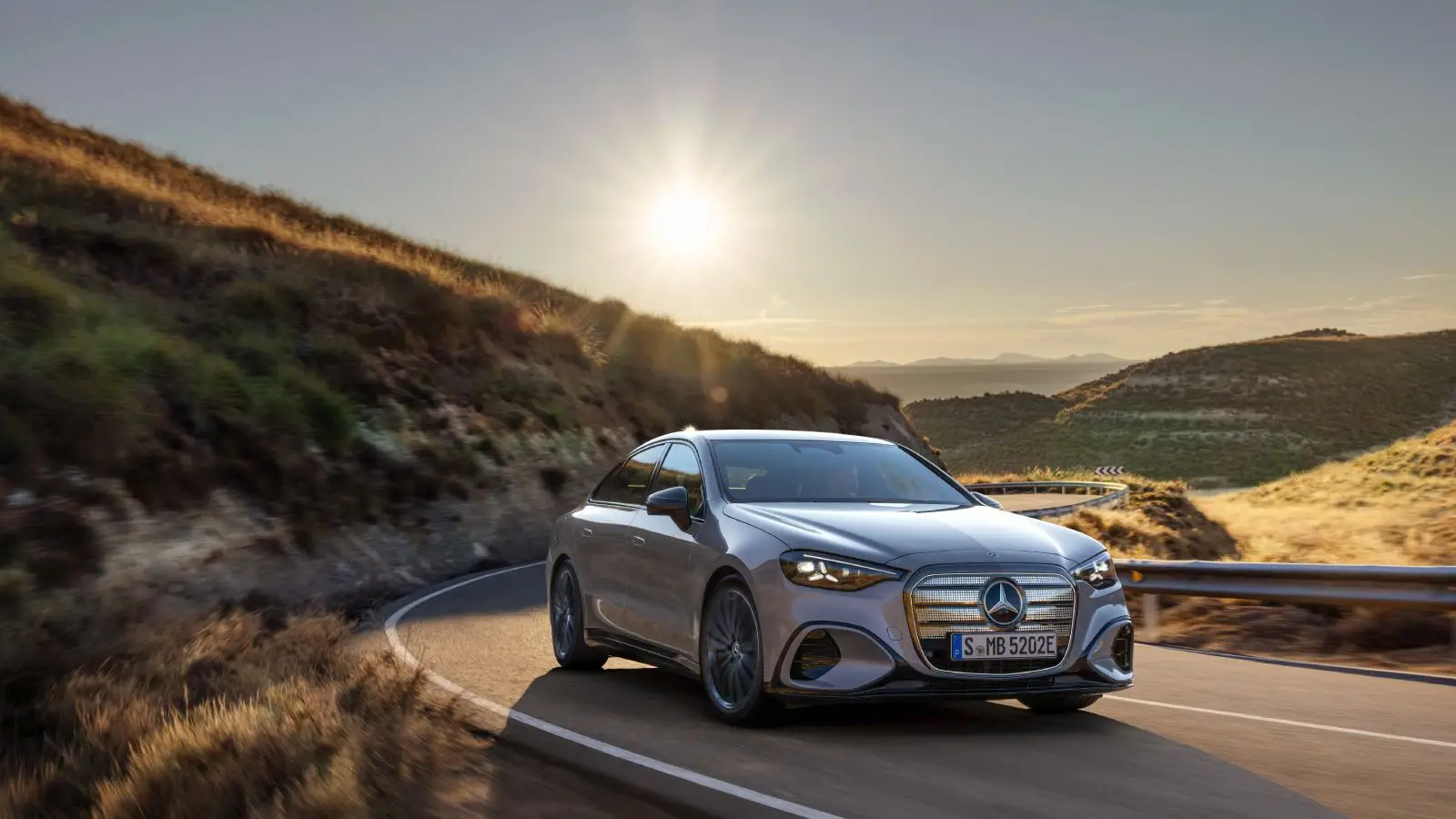
From the very first glance, the shift is obvious. The front end adopts Mercedes’ latest design language, with the three-pointed star integrated directly into the headlight signature. At the same time, the grille takes a more restrained approach compared to other recent models that emphasize repeated star patterns. This balance between subtlety and brand identity creates a distinctive visual character.
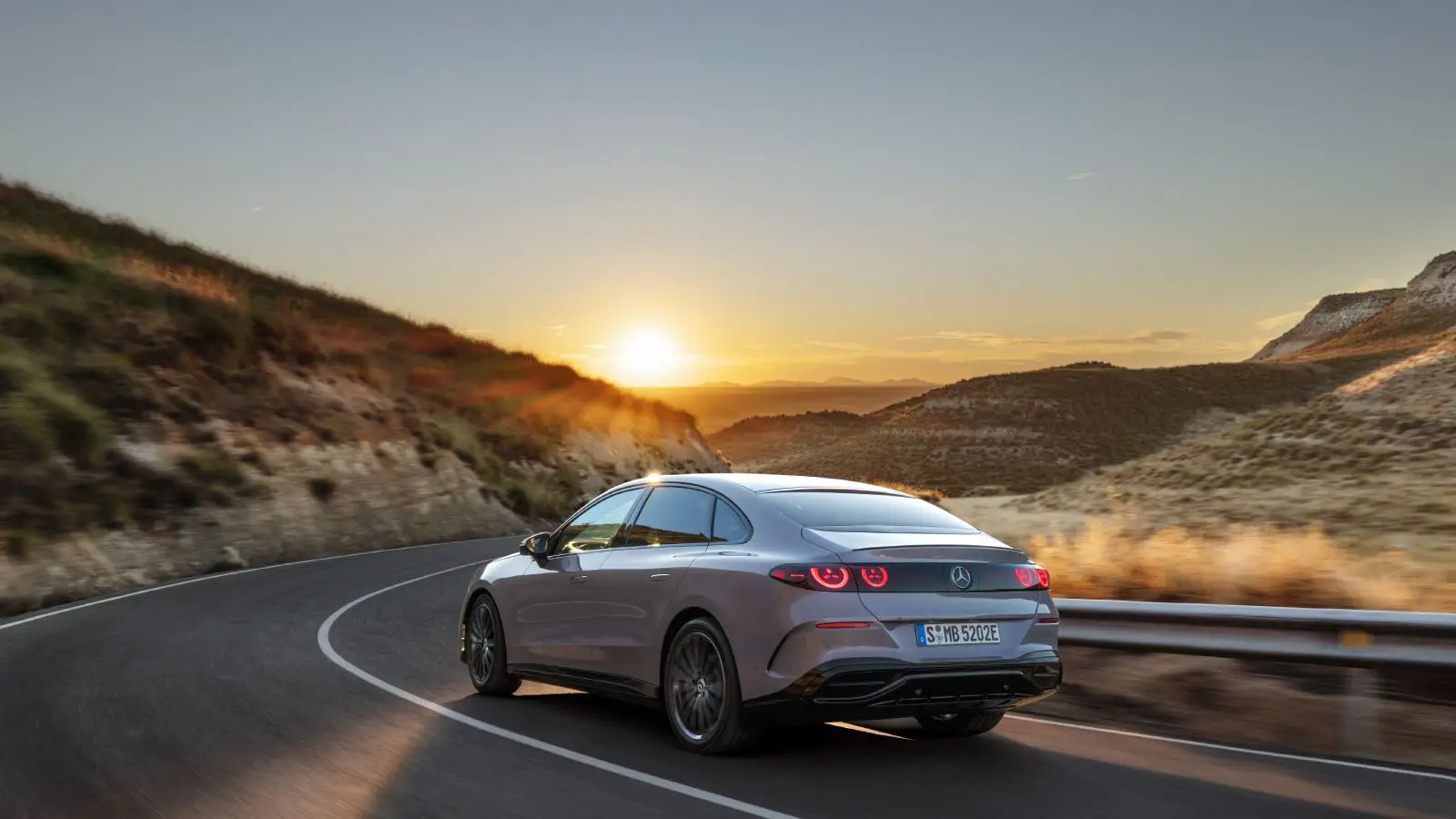
The profile has changed significantly. The roofline flows smoothly toward the rear, creating a coupe-like silhouette. This is not just a stylistic choice — aerodynamics play a crucial role in electric vehicles, and the shape reflects that priority. The rear design, however, is more divisive: the narrow light bar with four star-shaped elements stands out as one of the most unconventional features.
Technically, the car sets ambitious expectations. At launch, the C 400 4MATIC offers 360 kW of power, a battery of around 94 kWh, and a WLTP range of up to 760 kilometers. Acceleration from 0 to 100 km/h takes roughly four seconds — a figure once associated with far more extreme performance models. Fast charging at up to 330 kW enables roughly 300 kilometers of range to be added in just 10 minutes, positioning the car as capable of both urban and long-distance driving.
A key engineering feature is the two-speed transmission, an increasingly relevant solution in premium electric vehicles. It allows the car to combine strong acceleration with efficiency at higher speeds. This is complemented by recuperation of up to 300 kW and the use of a heat pump, which helps reduce energy consumption in colder conditions.
Chassis technology also plays a major role. With AIRMATIC air suspension and rear-axle steering of up to 4.5 degrees, the car aims to blend agility with long-distance comfort. The system can even use map data and vehicle information to anticipate road conditions, further refining the driving experience.
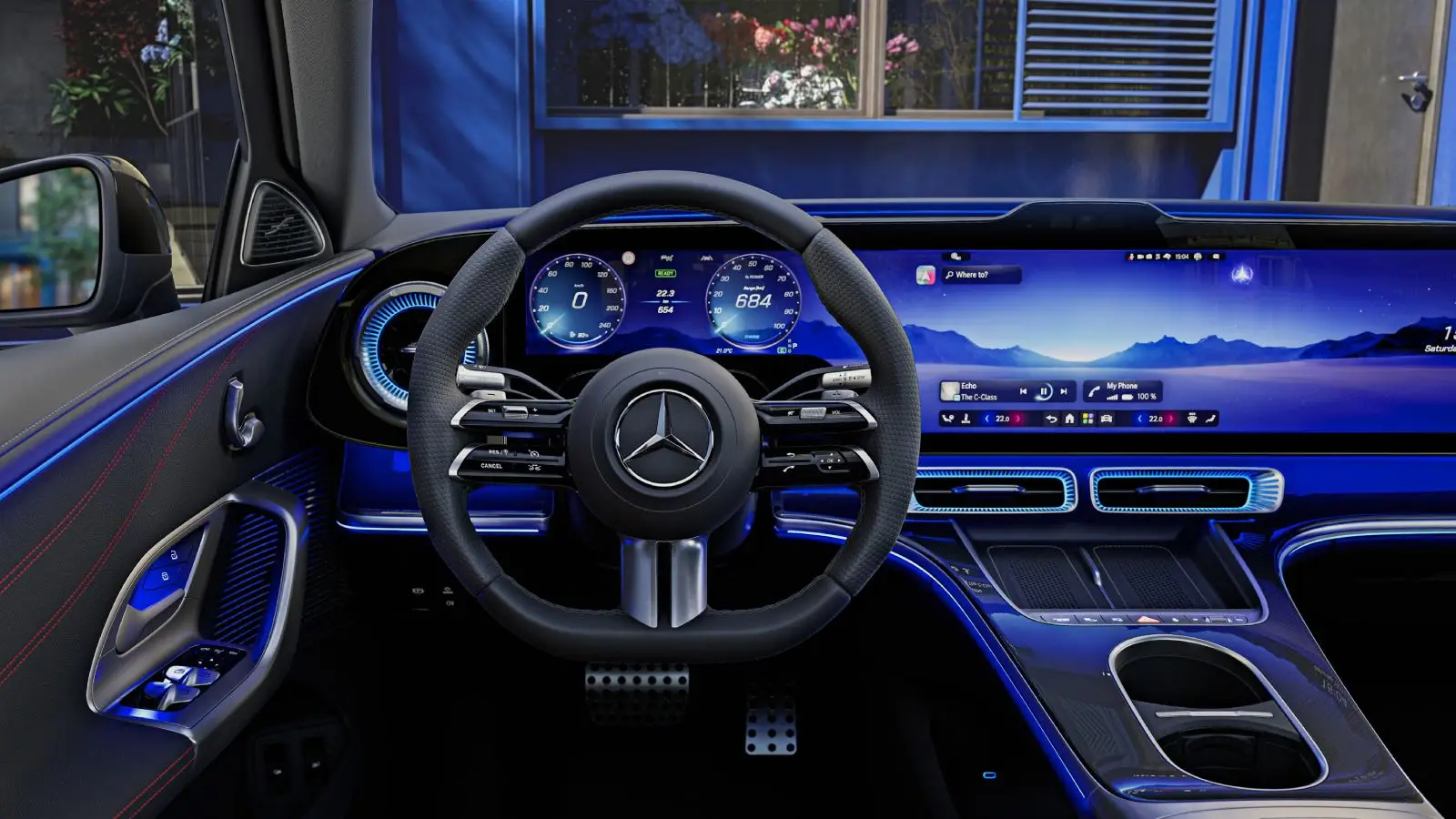
Inside, the transformation is even more pronounced. The centerpiece is the 39-inch MBUX Hyperscreen, a seamless glass surface that integrates multiple displays into a single interface. The system is faster, more responsive, and highly customizable, allowing different visual themes to shape the cabin atmosphere. Physical controls have not disappeared entirely — rotary and rocker switches return to the steering wheel, improving usability.
The new MB.OS architecture connects all vehicle systems, from infotainment to driver assistance. Navigation based on Google Maps can plan routes with charging stops and even precondition the battery for optimal charging performance. The voice assistant integrates multiple AI models, selecting the most appropriate one for each request.
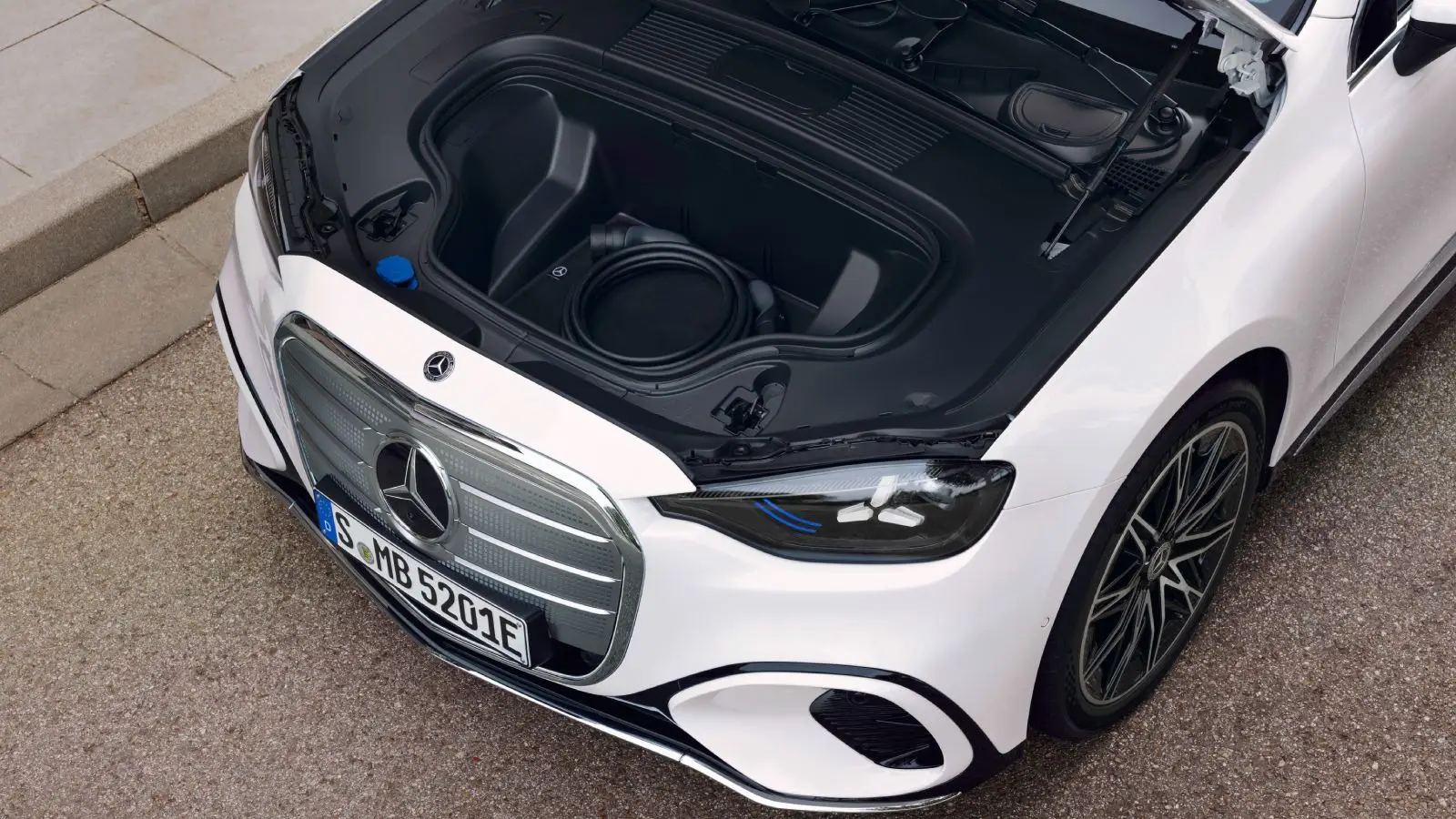
Practicality remains part of the equation. The rear boot offers 470 liters of space, complemented by a 101-liter front compartment. A longer wheelbase improves interior room, although rear passengers may notice a raised floor — a typical consequence of battery placement in electric platforms.
The interior emphasizes comfort and atmosphere. Alongside traditional materials, a fully certified vegan interior is available, covering nearly all surfaces. The panoramic roof with adjustable transparency and illuminated star elements adds a distinctive, almost theatrical touch to the cabin.
In a broader context, the new C-Class is part of Mercedes-Benz’s strategy to strengthen its core segment with dedicated electric architectures. Production is planned in Europe, with the market launch starting in the United States, highlighting the role of regulatory environments in shaping rollout timelines.
Ultimately, this is more than a new version of a familiar model. It is a carefully balanced combination of efficiency, digitalization, comfort, and design — a direction that may well define the future identity of the C-Class in its fully electric form.
Ethan Rowden
2026, Apr 21 23:47