
Porsche presents 975 RSE as its new GEN4 Formula E car
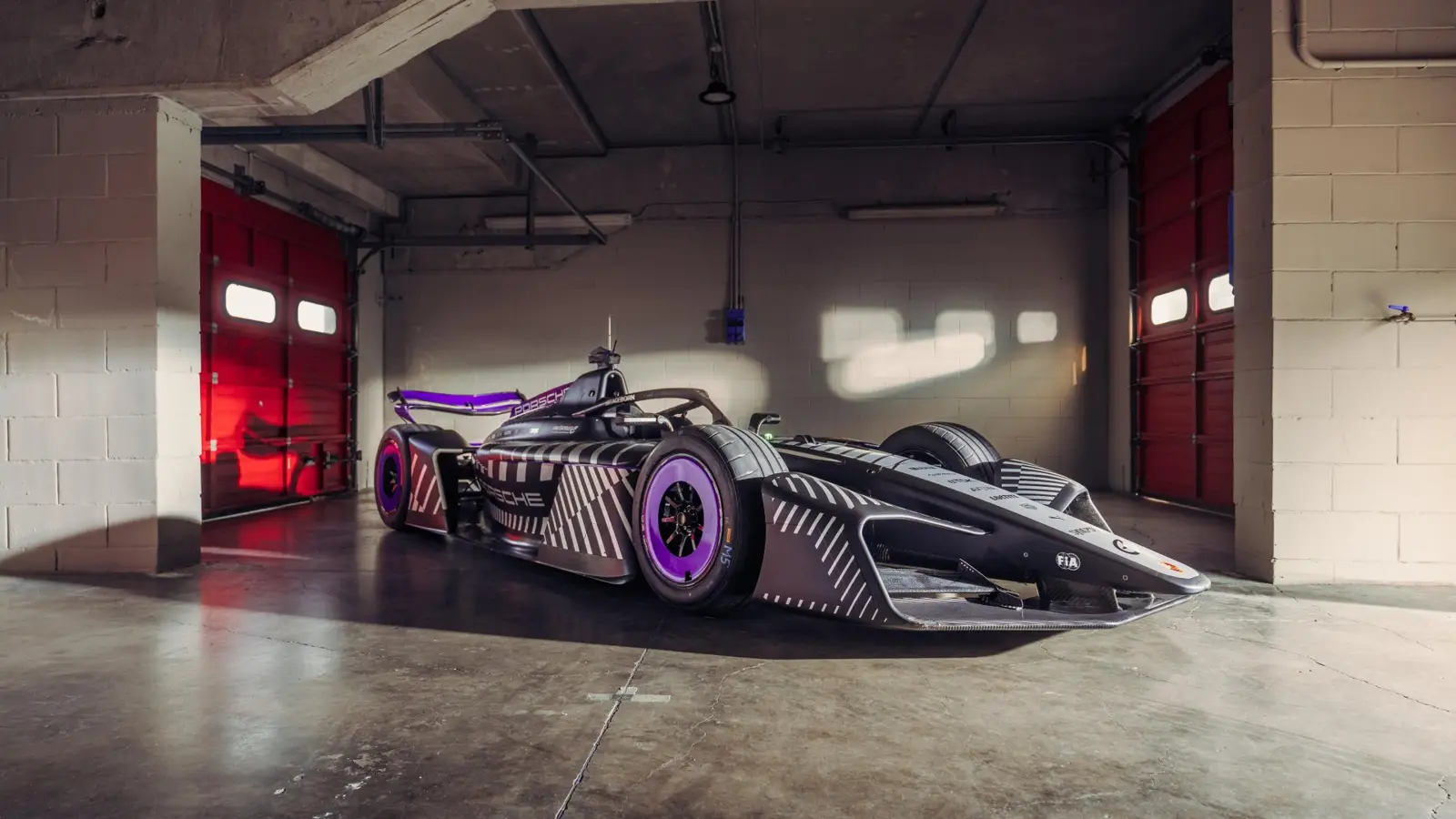
Porsche has revealed the 975 RSE, its new GEN4 Formula E race car with 600 kW power, all-wheel drive and higher downforce. Explore key specs and what it means for electric racing.
Acceleration from 0 to 100 km/h in just 1.8 seconds and up to 600 kW of power — Porsche has unveiled its fastest Formula E car yet, marking the beginning of the GEN4 era. The new 975 RSE does more than replace the successful 99X Electric; it effectively pushes the championship closer to traditional single-seater racing in terms of speed and performance.
The most striking change is the leap in output. In Attack Mode, the car delivers up to 816 hp, with a top speed expected to reach 335 km/h. For the first time in Formula E history, permanent all-wheel drive is introduced, while aerodynamic downforce has increased by up to 150 percent compared to the previous generation. This reshapes the driving experience — higher cornering speeds, stronger acceleration out of turns, and a more aggressive overall character.
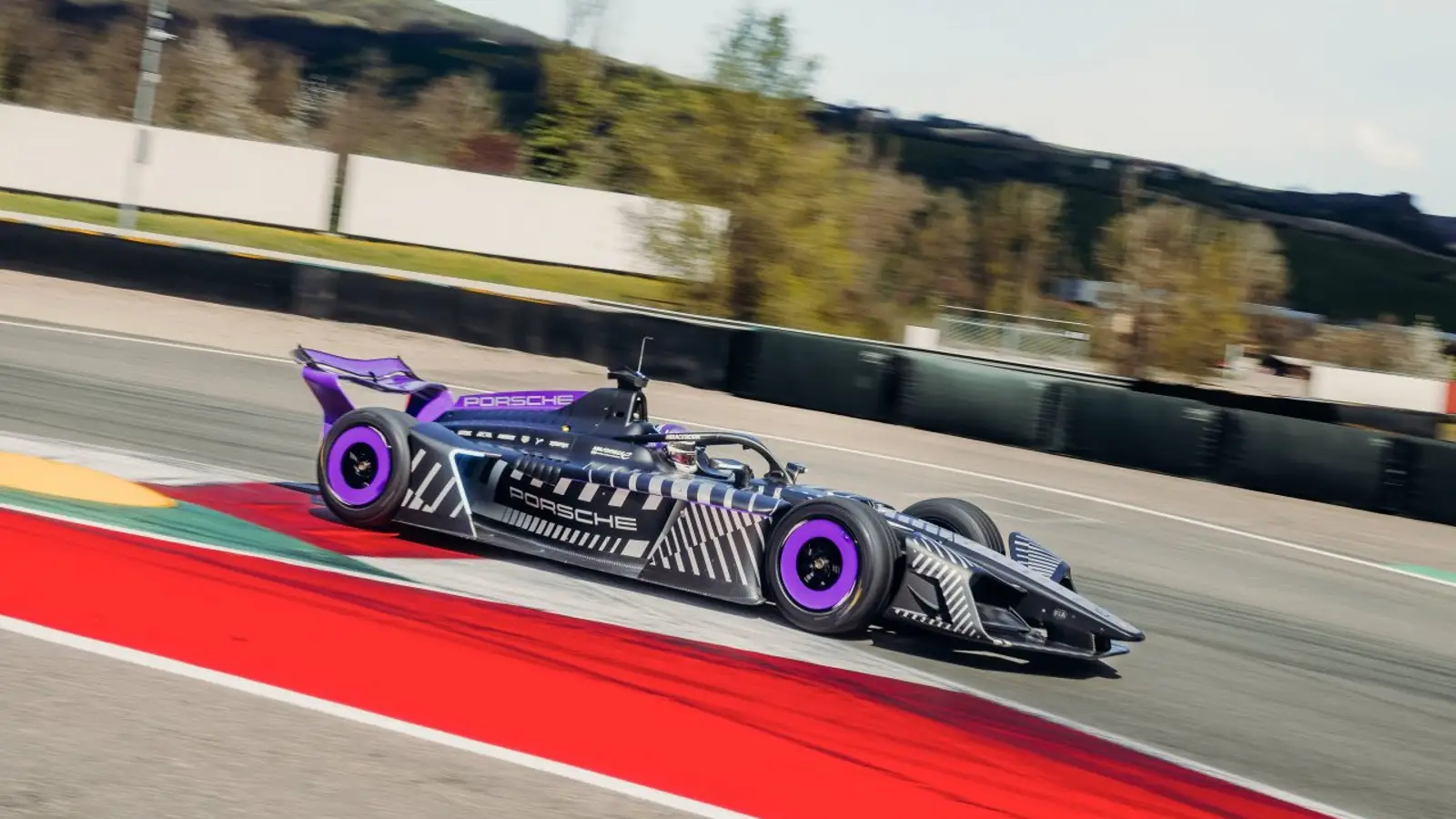
This evolution reflects the broader trajectory of the series. When Formula E launched in 2014, drivers had to switch cars mid-race due to battery limitations. That requirement disappeared in later generations, and now, with GEN4, electric race cars reach a new level of power and efficiency. According to the FIA, this generation represents the fastest and most technologically advanced Formula E cars to date.
Efficiency remains central to the concept. The current Porsche 99X Electric already exceeds 97 percent drivetrain efficiency, and GEN4 development shifts focus toward reducing weight, improving durability, and managing costs — priorities that closely mirror those of road-going electric vehicles. Up to 40–50 percent of race energy continues to come from recuperation, with braking systems capable of recovering up to 700 kW.
Aerodynamics have become a decisive factor. In earlier generations, lower speeds meant downforce played a limited role. With GEN4, however, it becomes essential. Porsche addresses the trade-off between downforce and energy consumption by introducing two aero packages: a low-drag configuration for races and a high-downforce setup for qualifying, where energy constraints are less critical.
The technical architecture further underlines the connection to production EVs. Manufacturers develop key components in-house, including the electric motor, inverter, software, and brake-by-wire system. At the same time, the battery remains a standardized component to control costs and maintain competitive balance.
The transition to GEN4 extends beyond Porsche. Manufacturers such as Nissan, Jaguar, Stellantis, Mahindra, and Lola Yamaha have already committed to the new era, while Bridgestone will become the official tyre supplier. This signals a broader transformation of Formula E into a central platform for electric mobility innovation.
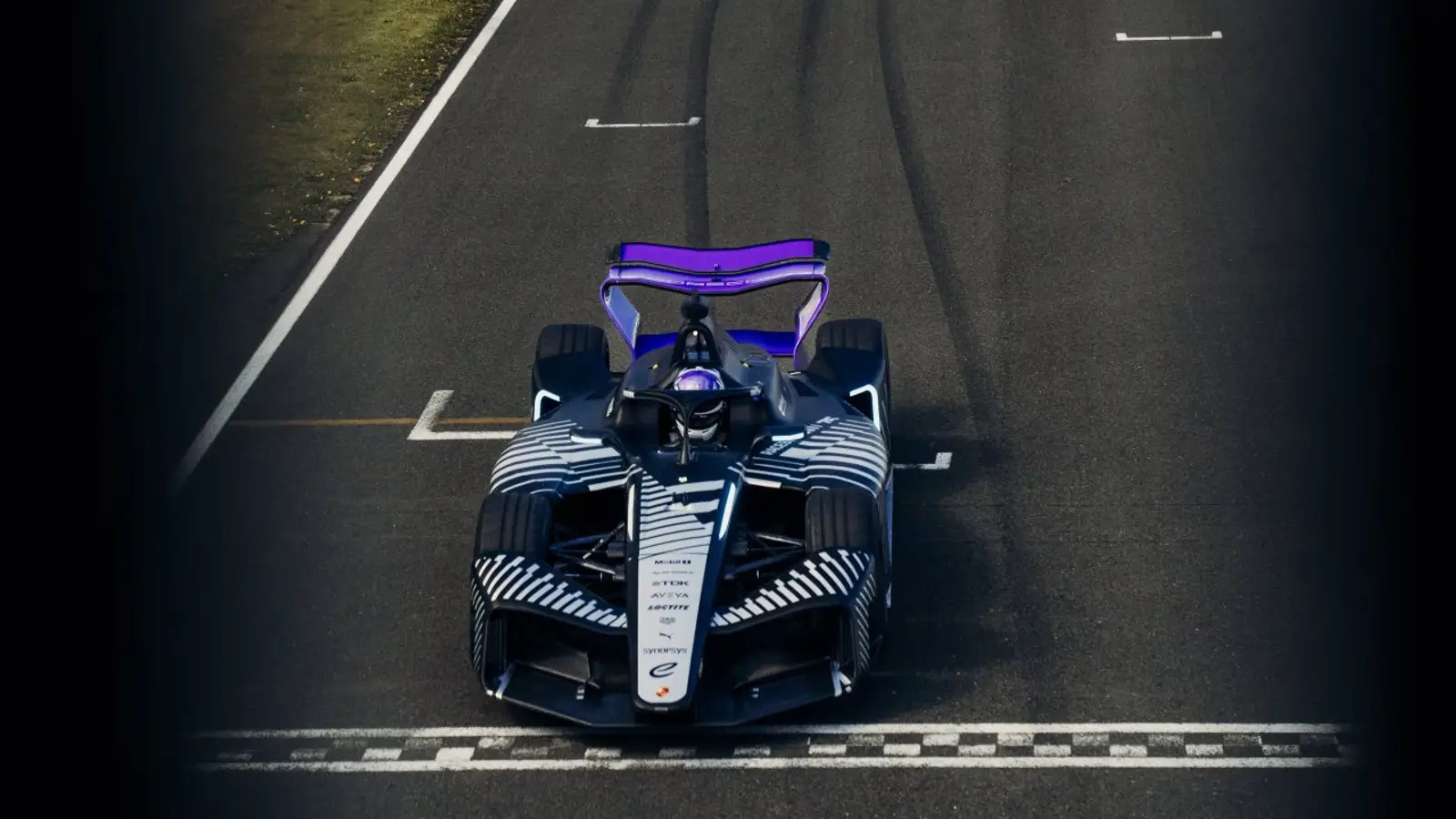
The 975 RSE has already completed around 1,860 test kilometres and is scheduled to make its race debut in December 2026. Development will continue through the season, first focusing on hardware and then shifting toward software optimisation, which is becoming increasingly critical as efficiency approaches its limits.
With GEN4, Formula E moves decisively beyond its early experimental phase. It now positions itself as a high-performance championship where speed, efficiency, and advanced engineering converge — reshaping expectations for electric motorsport.
Mark Havelin
2026, Apr 23 21:47