
Opel Frontera 2026 review: hybrid and electric SUV analysis
Opel Frontera 2026 review: hybrid and electric SUV analysis
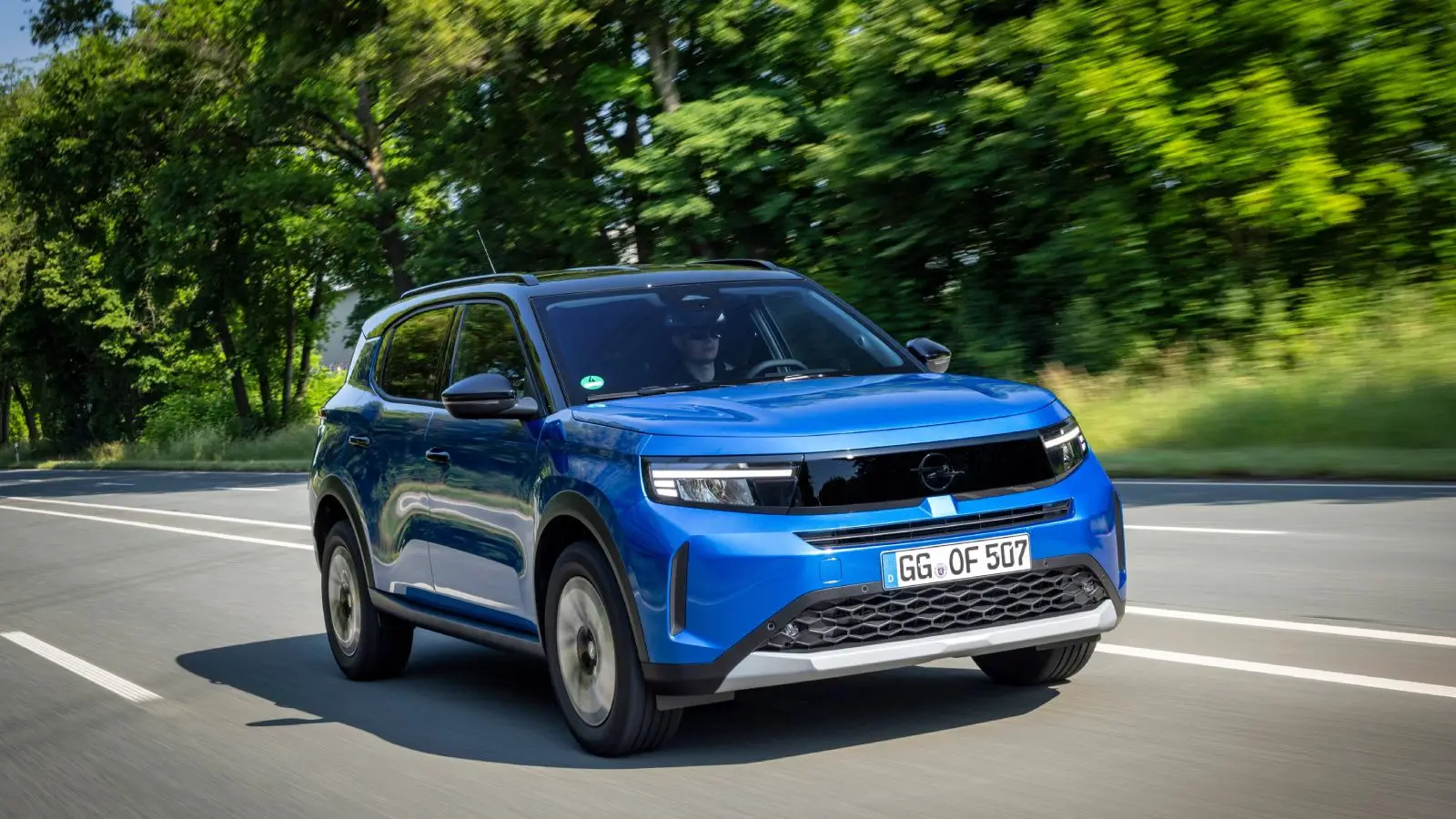
The new Opel Frontera brings back a familiar name, but in a completely different form. What was once a rugged off-road vehicle has now evolved into a compact urban SUV focused on practicality, affordability, and everyday usability.
One of the most striking aspects is its pricing. At a time when many new cars easily exceed €30,000, the Frontera starts at around €24,000–€25,000, with even the fully electric version positioned competitively. This makes it one of the more accessible options in the small SUV segment.
The model is available with two main powertrains: a 1.2-liter three-cylinder mild hybrid engine producing either 100 or 136 horsepower, and a fully electric version equipped with a battery of about 44 kWh. While the EV appears slower on paper, it compensates with instant torque delivery, which is especially noticeable in city driving.
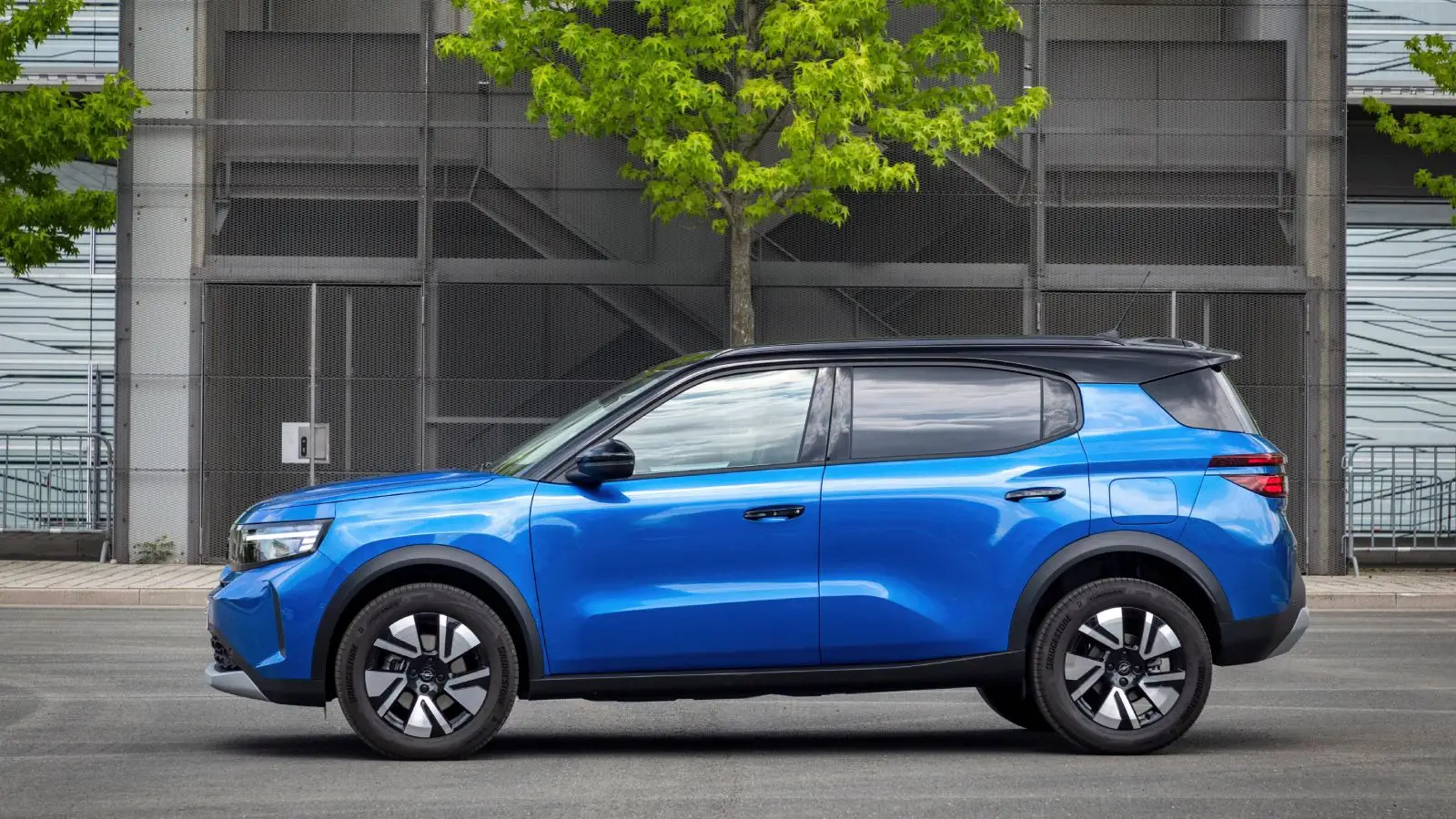
In terms of design, the Frontera adopts a pseudo-off-road aesthetic. Its upright proportions, bold surfaces, and simple shapes give it a more rugged appearance, even though it is clearly engineered for road use rather than serious off-roading.
At approximately 4.39 meters in length, the car remains compact and city-friendly, yet surprisingly spacious inside. Thanks to its vertical body structure, passengers benefit from generous headroom and legroom, particularly in the rear seats.
Practicality is one of the model’s strongest points. The boot offers around 460 liters of capacity, expanding to roughly 1,600 liters with the rear seats folded down. A height-adjustable floor allows for easier loading and a flatter cargo area.
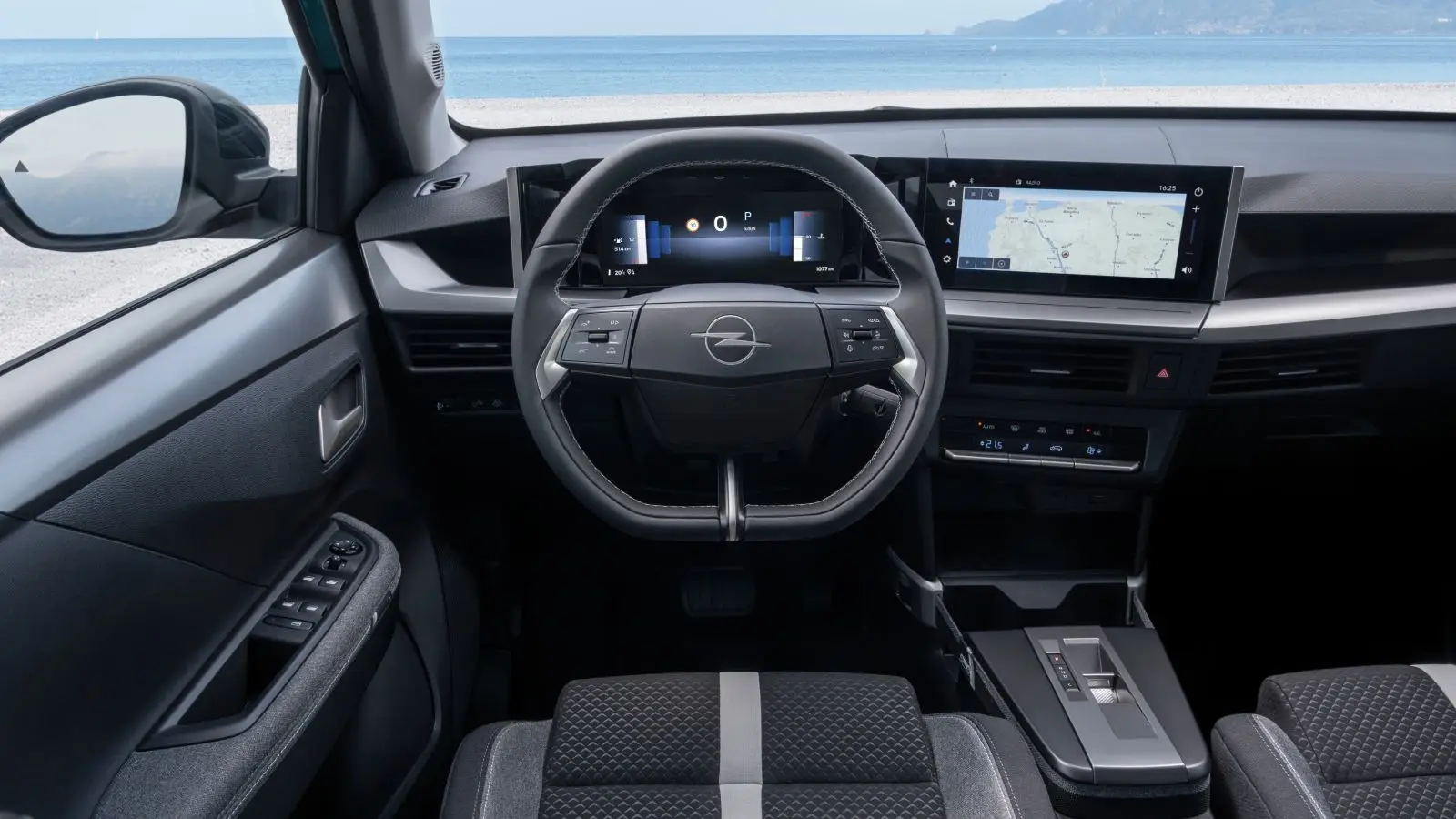
The interior focuses on functionality rather than luxury. Physical controls are still present for key features such as climate settings and seat heating, making everyday operation intuitive. The infotainment system, while basic, is designed to work seamlessly with smartphone integration.
Material quality is simple but honest. The cabin does not feel premium, yet it avoids the impression of being overly cheap. Instead, it reflects a deliberate balance between cost and usability.
On the road, the Frontera delivers a comfortable and composed driving experience. The suspension is tuned for softness, absorbing bumps effectively, while the steering provides a decent level of feedback. Noise insulation is also respectable for a vehicle in this price range.
The hybrid version consumes around 6 to 6.8 liters per 100 kilometers, which is acceptable though not class-leading. The electric version, on the other hand, offers lower running costs but comes with limitations in towing capacity and long-distance flexibility.
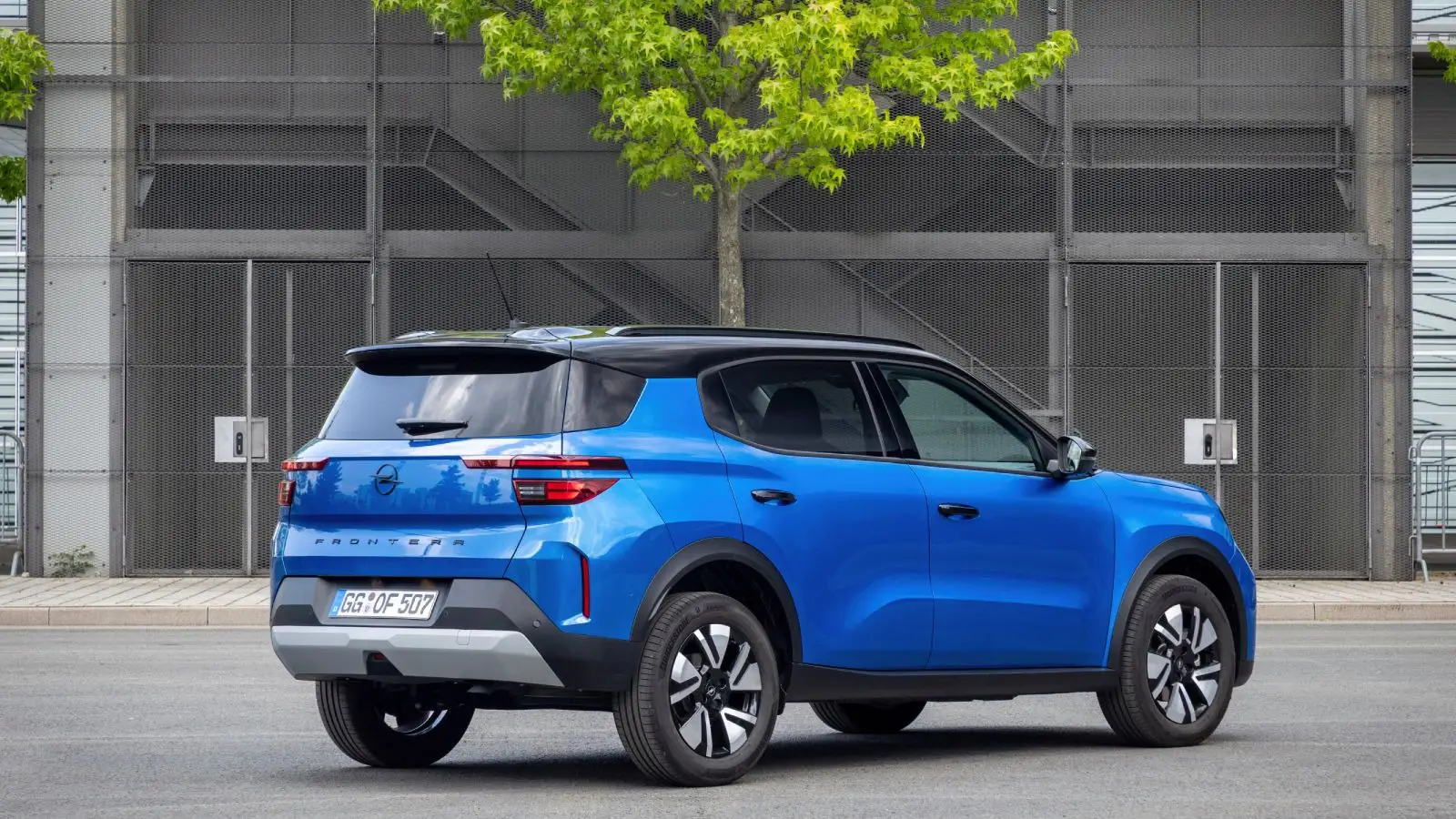
A seven-seat version is expected in the future, although it will be limited to the hybrid powertrain. While this could broaden the model’s appeal, the practicality of the third row remains a question.
Compared to rivals such as the Dacia Duster, the Frontera leans more toward road comfort and refinement rather than off-road capability. It trades ruggedness for everyday usability and a more polished driving experience.
Ultimately, the new Frontera is not a revival in the traditional sense but a reinterpretation of a well-known name. It is aimed at buyers who want a straightforward, practical, and affordable crossover—and in that role, it makes a convincing case.
Ethan Rowden
2026, Apr 24 11:11