
Opel Astra campaign focuses on emotion and German engineering
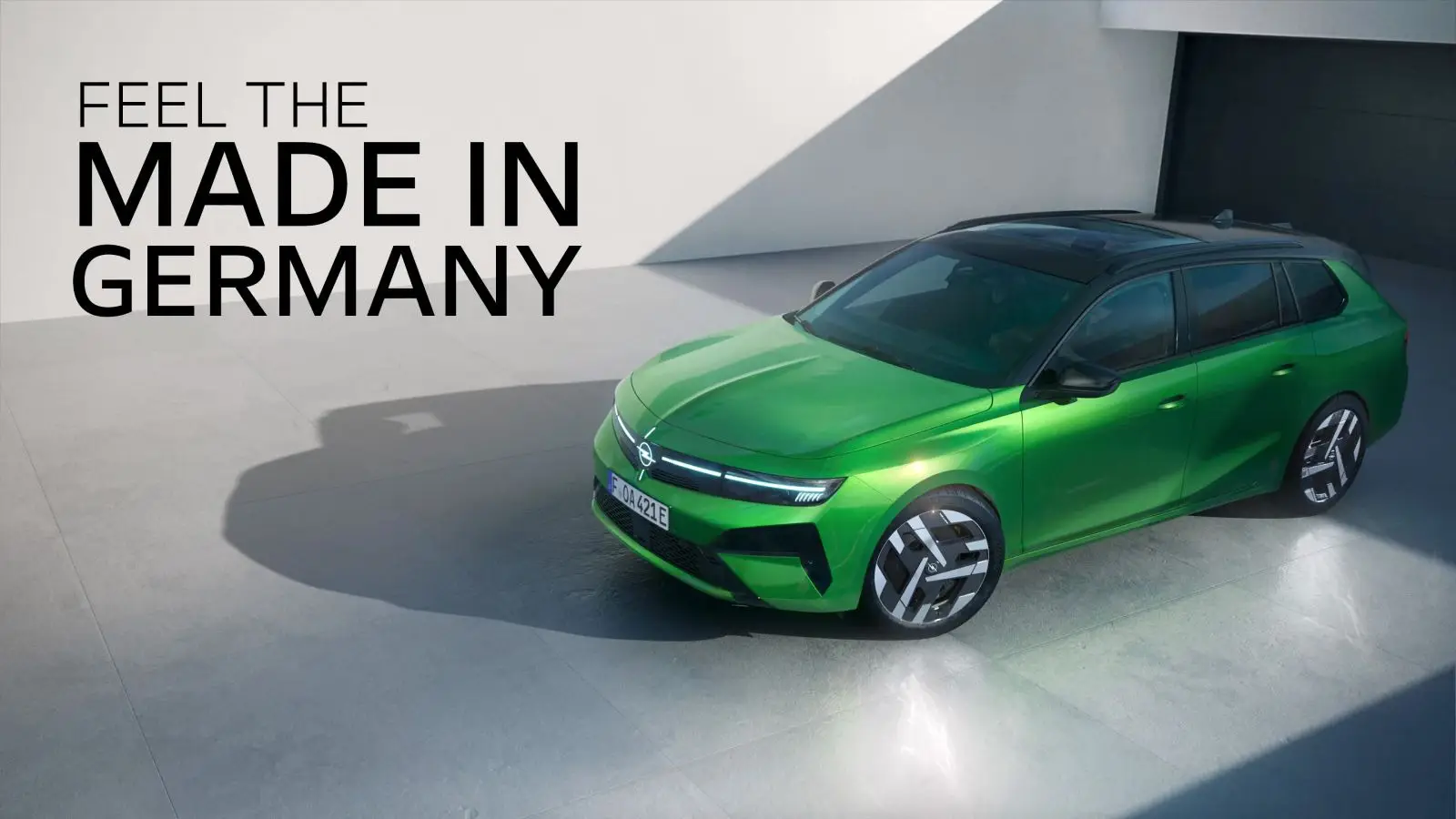
Opel presents a new Astra campaign highlighting design, technology, and “Made in Germany” production. Explore how the brand shifts focus from specs to perception.
Opel has chosen to build its new Astra campaign around emotion — yet the visual style unexpectedly makes it feel dated. Instead of conveying modernity, the ad recalls earlier phases of automotive marketing, where imagery often overshadowed substance.
The pan-European campaign “Feel the made in Germany” launches on April 24 across TV, online, and outdoor platforms. At its core is the Astra Sports Tourer, designed and built in Rüsselsheim. Created with Jung von Matt, the video relies on short phrases and visual metaphors — light, space, precision — presented through almost surreal sequences meant to express how the car feels.
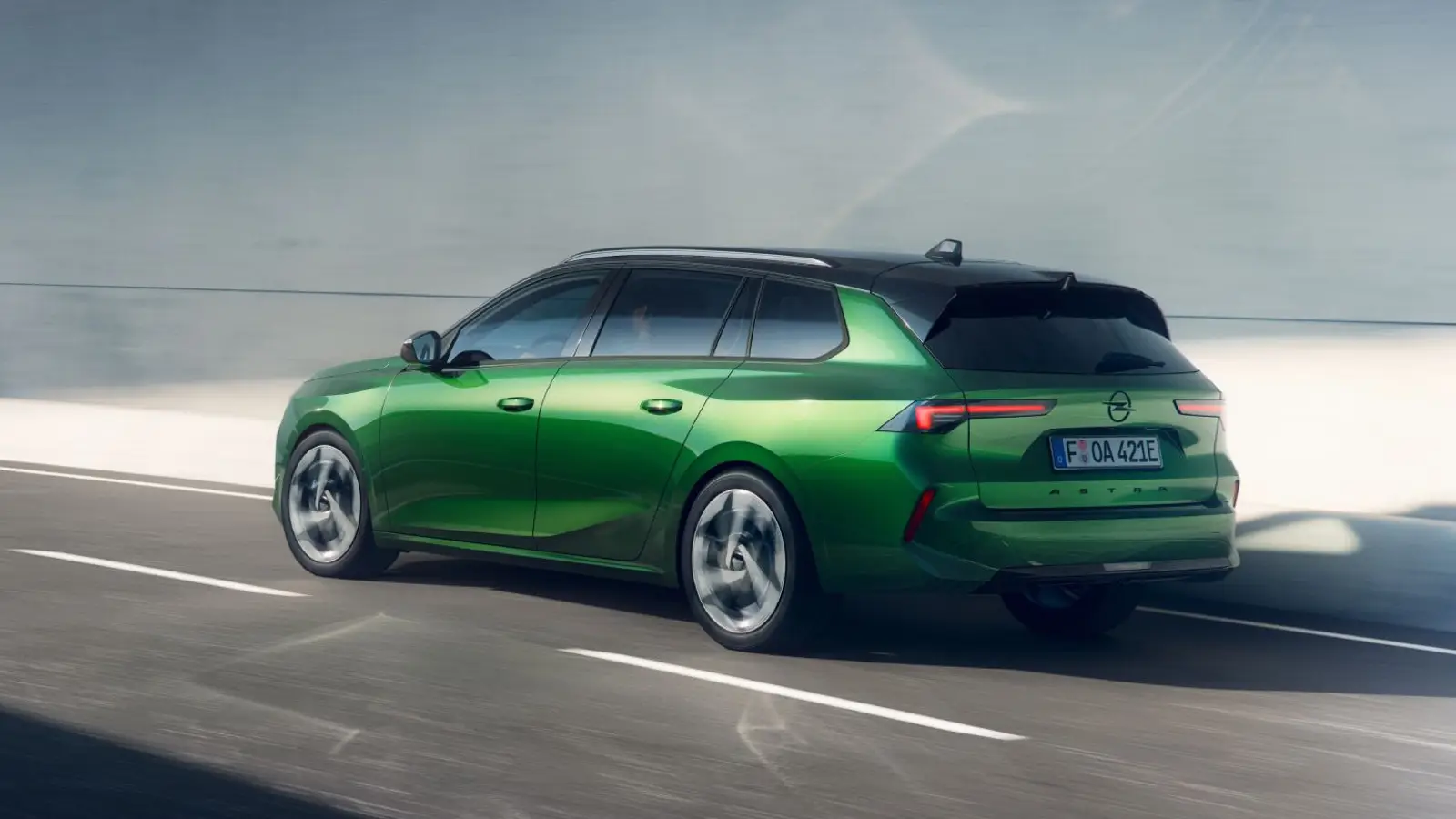
However, the visuals become the weakest point. The effects, pacing, and structure appear overly familiar, as if drawn from advertising styles of the past decade. Instead of reinforcing a sense of advanced technology, the imagery creates distance, offering a dreamlike narrative rather than a clear sense of a modern product.
This contrast becomes more noticeable when looking at the car itself. The Astra competes in a segment where practicality and technology matter. It delivers up to 1,634 litres of luggage space, while the electric version offers up to 445 kilometres of range (WLTP), powered by a 58 kWh battery and a 115 kW motor. Features such as Intelli-Lux HD lighting with over 50,000 elements and ergonomic Intelli-Seats support its technical profile.
Yet these details remain largely absent from the campaign. Instead, the focus stays on atmosphere and emotion. Even the emphasis on “Made in Germany” — despite the car being fully developed and produced there — is presented more as a symbolic idea than as a concrete advantage.
The result is a clear mismatch. On one side stands a modern product with contemporary technology and an electric drivetrain. On the other is a visual language that does not reflect that progress. This gap is what ultimately makes the campaign feel old-fashioned.
Opel is clearly trying to shift the conversation toward perception, but in this execution, the visuals do not strengthen the message. Instead, they echo familiar patterns from the past, which may limit the campaign’s impact in a segment driven by both innovation and relevance.
Mark Havelin
2026, Apr 24 21:26

