
Audi reorganizes production: Q3 integration and A2 e-tron plans
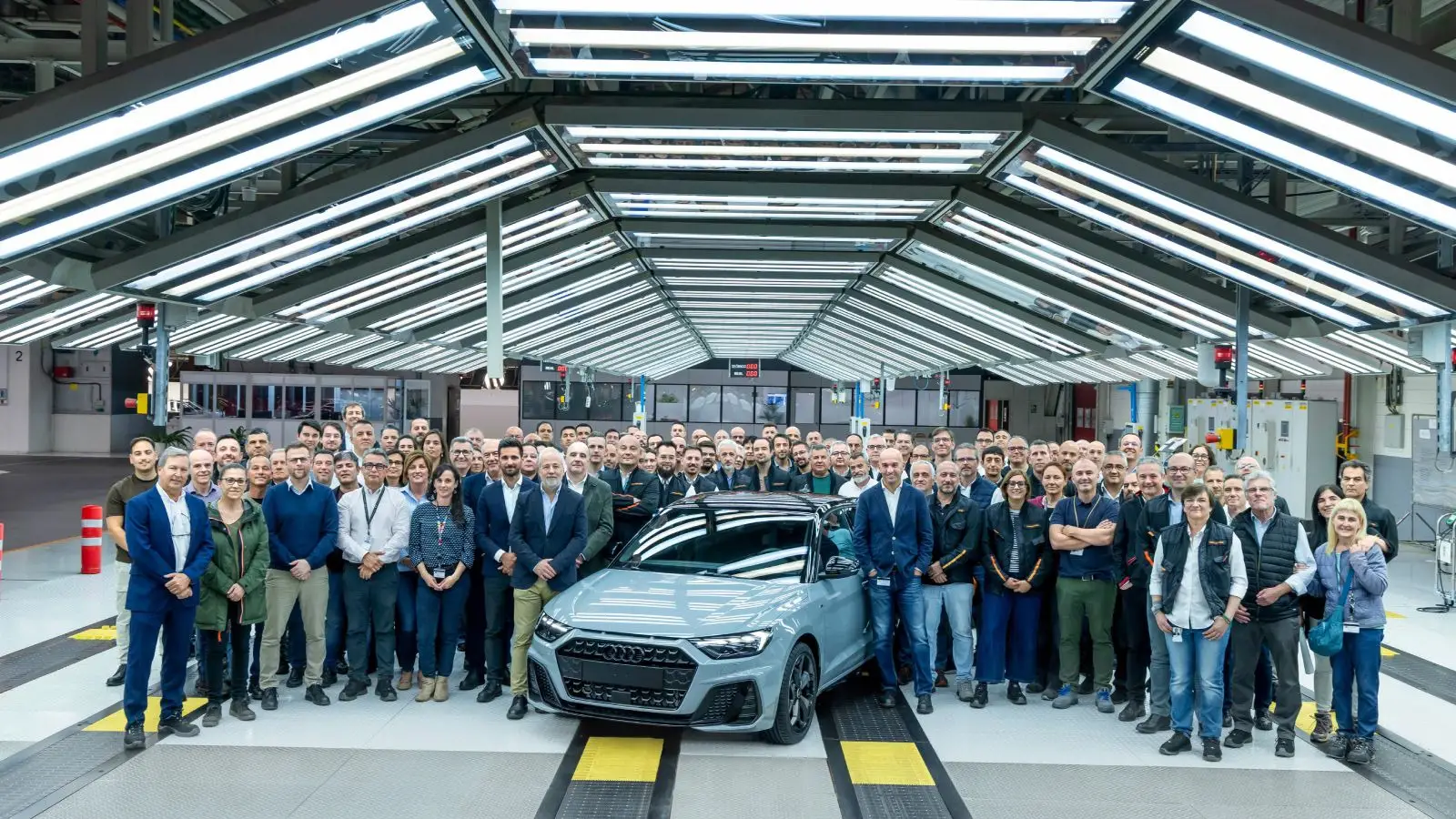
Audi MediaCenter reports Q3 production will expand to Ingolstadt with support from Gyor, as Q2 and A1 end. The company also prepares to launch the A2 e-tron in 2026.
Production of the Audi Q3 is set to begin in Ingolstadt for the first time — and immediately within a cross-border setup with the Hungarian plant in Gyor. Vehicle bodies will be manufactured in Hungary, transported by rail to Germany, and then painted and assembled in Ingolstadt, forming a new backbone of Audi’s production system.
This shift comes as two established models leave the stage. Production of the Audi Q2 in Ingolstadt ends in April 2026 after reaching 887,231 units since 2016. At the same time, Audi is winding down the A1 in Martorell, Spain, where 1,389,658 vehicles have been built since 2010. The move frees up capacity for models with stronger demand and for upcoming projects.
The focus on the Q3 reflects its role within the brand. More than 2 million units have been sold globally since its introduction, and in 2024 alone, around 215,000 vehicles were delivered, making it one of Audi’s top-performing models. The latest generation, introduced in 2025, brings partially electrified engines and a plug-in hybrid variant with an electric range of up to 119 kilometers.
The integrated production approach between Gyor and Ingolstadt highlights a broader objective: balancing plant utilization while increasing flexibility. Audi Hungaria is already operating at high output levels, producing nearly 180,000 vehicles and over 1.5 million powertrains in 2024. The site remains a central pillar in Audi’s network, contributing significantly to exports and supporting the development of electric components.
At the same time, Ingolstadt is evolving into a key hub for electrification. Following the start of production of the Audi Q6 e-tron in 2023 and the Audi A6 e-tron in 2024, the plant is preparing to launch another fully electric model line in autumn 2026 — the Audi A2 e-tron. This expansion is part of Audi’s broader move toward electric mobility based on the PPE platform.
Elsewhere, Audi is also reshaping its manufacturing footprint. In Neckarsulm, the company is updating the A5 and A6 families and preparing additional variants, including performance models. The site is also getting ready to produce a new fully electric sports car starting in 2027.
Taken together, these steps illustrate how Audi is reconfiguring its production network. By combining distributed manufacturing, electrification, and a mix of combustion, hybrid, and electric models, the company is aligning its global operations with shifting demand and technological change.
Mark Havelin
2026, Apr 25 19:24