
Porsche reveals Cayenne Coupé Electric with 850 kW output
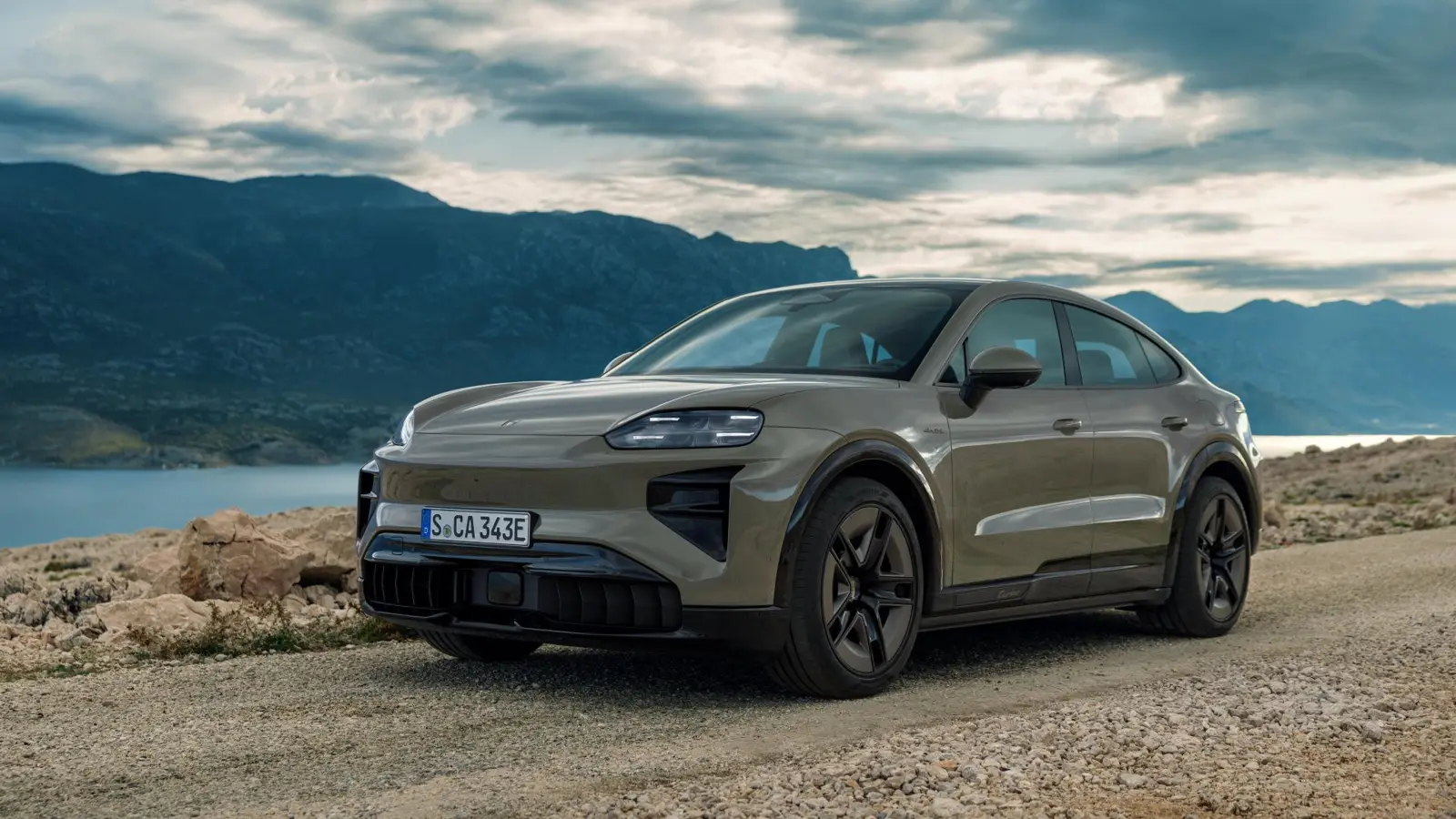
Porsche presents the Cayenne Coupé Electric with up to 850 kW, fast charging and improved aerodynamics. Explore specs, performance and key details.
A 0–100 km/h sprint in 2.5 seconds in an electric SUV is no longer just a headline figure — it sets a new benchmark for the segment. The Cayenne Coupé Electric, especially in Turbo form, pushes performance into territory where acceleration begins to outpace human perception, and that is where Porsche starts redefining its flagship SUV.
Yet the story goes beyond raw numbers. The Coupé version shifts the focus from pure versatility to character. With the same overall length of 4.99 meters but a roofline lowered by about 2.4 centimeters, the car adopts a more dynamic silhouette. The falling roofline and cleaner rear design move it closer to the visual language of a sports car rather than a traditional SUV.
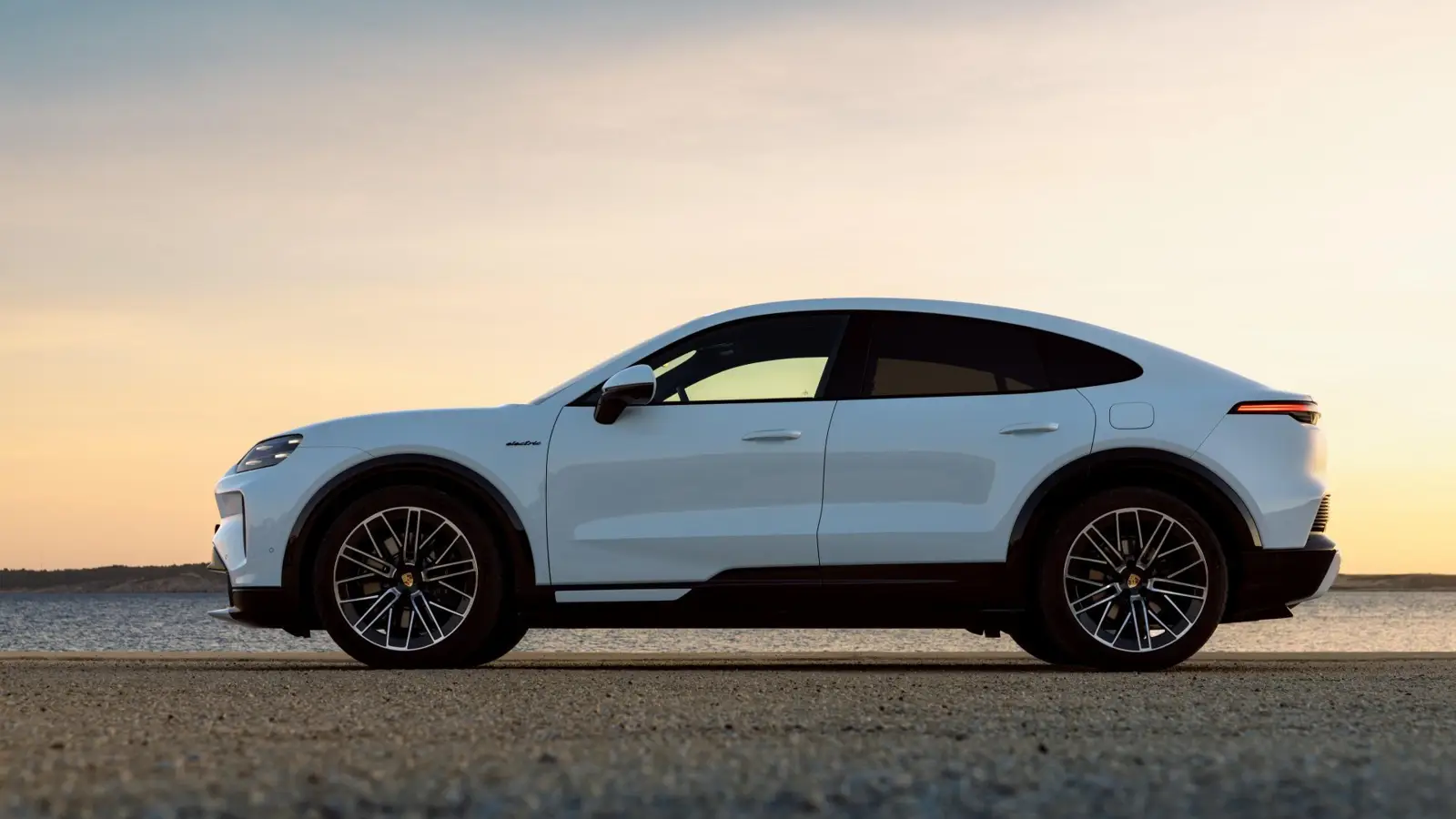
This design choice directly impacts efficiency. The drag coefficient drops to 0.23, compared to 0.25 in the standard Cayenne. While the difference may appear small, it becomes significant at speed, where air resistance rises sharply. In an electric vehicle, this translates directly into range, making aerodynamics a defining factor rather than a secondary consideration.
The technical foundation remains consistent with the Cayenne Electric lineup. An 800-volt architecture, paired with a battery of around 108 kWh net capacity, enables ultra-fast charging. Under ideal conditions, the battery can go from 10 to 80 percent in under 15 minutes, placing it among the fastest charging systems currently available.
Real-world driving tells a more grounded story. At motorway speeds of around 120 km/h, the range tends to fall just below 500 kilometers. The Coupé’s improved aerodynamics can slightly extend this figure, although configuration — especially wheel size and tire width — plays a decisive role.
The model range includes three variants. The base version reaches 100 km/h in 4.8 seconds, the S version in 3.8 seconds, and the Turbo in just 2.5 seconds. At this level, performance becomes almost excessive for everyday use, raising questions about how much power is actually needed in a vehicle of this type.
Suspension technology adds another layer of sophistication. Standard air suspension is complemented by the optional Porsche Active Ride system, which actively controls each wheel. This allows the body to remain nearly level during acceleration, braking, and cornering, fundamentally altering how a large SUV behaves on the road.
However, the sportier design comes with compromises. Boot capacity is reduced to 490 liters compared to 550 liters in the SUV, and rear passenger space feels tighter due to the sloping roofline and seating geometry. The differences may appear minor on paper but become noticeable in daily use.
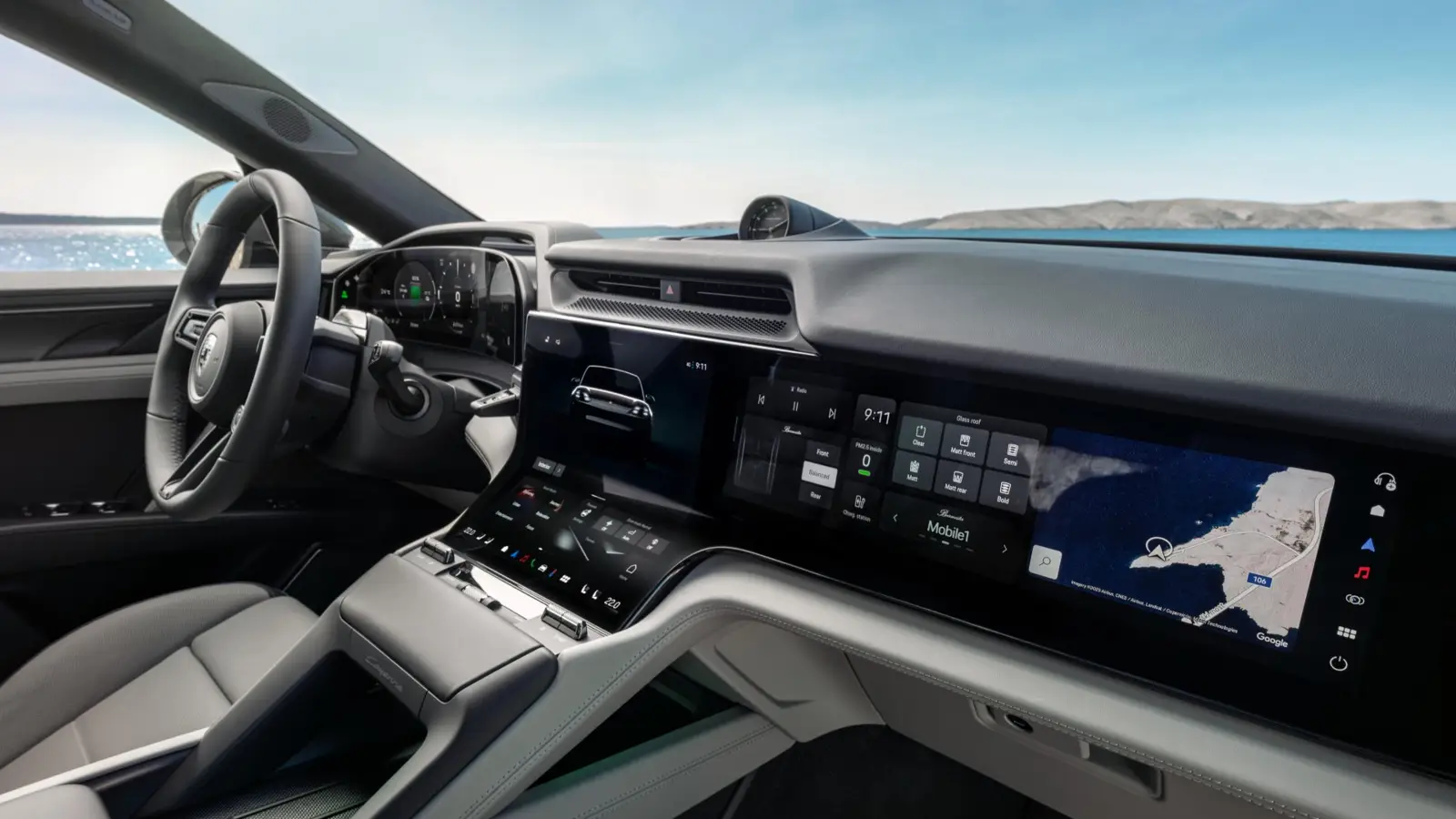
Technology inside the car pushes the concept further. Electric doors with multiple interaction modes — including automatic closing triggered by fastening the seatbelt — turn routine actions into a showcase of engineering. The interior continues this theme, combining digital displays with physical controls, although elements like the curved central screen require some adaptation.
Pricing reinforces its positioning. In Germany, the Coupé starts at around €109,000 and rises to approximately €169,000 for the Turbo version, with options easily pushing the total beyond €200,000. This places it firmly in the premium segment, where design and technology carry as much weight as practicality.
Ultimately, the Cayenne Coupé Electric reflects a shift in priorities. Performance, aerodynamics, and design take center stage, while everyday usability becomes secondary. Rather than aiming to be the most practical electric SUV, Porsche appears focused on creating one of the most expressive — and in doing so, it reshapes expectations for the entire segment.
Mark Havelin
2026, Apr 26 22:10