
Rare Car Warning Lights Explained and What They Mean
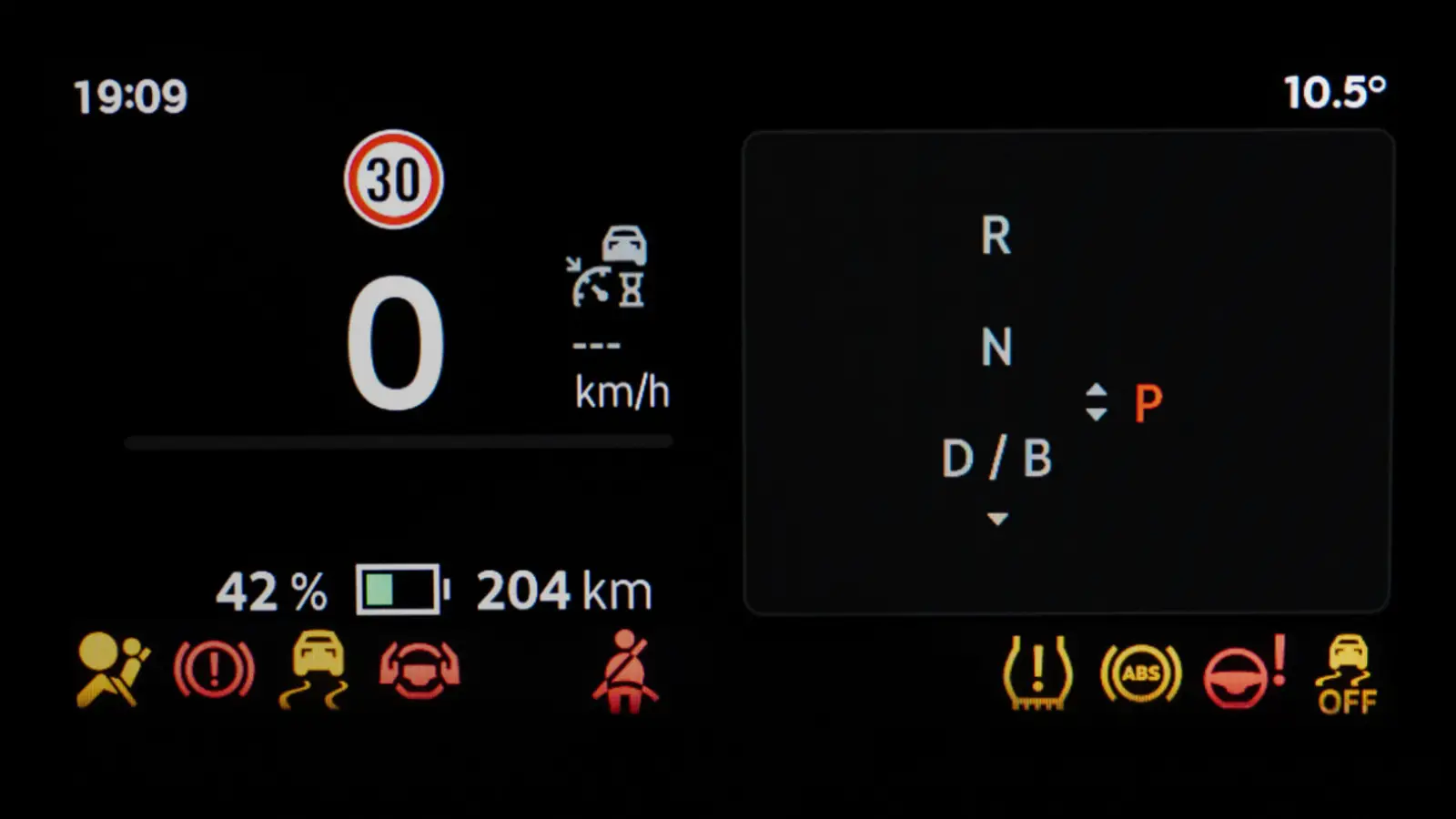
Learn what rare car warning lights mean, from EV battery limits to CO₂ alerts. Understand key dashboard indicators and know how to respond in critical situations.
Modern cars can effectively “shout” about a problem, yet the driver may not understand the warning — this is the core takeaway from a closer look at lesser-known dashboard indicators. Some of these symbols appear so rarely that they go unnoticed, even though they may signal serious faults or safety risks.
Indicator lights remain a crucial communication channel between vehicle and driver despite the rise of digital displays. Their advantage lies in immediacy: a single symbol can convey critical information at a glance. In newer vehicles, especially electric ones, the range of indicators has expanded significantly, adding signals related to batteries, electric drivetrains, regenerative braking, and high-voltage safety systems.
This turns the issue into a practical concern rather than a purely technical one. Research shows that a large share of drivers struggle to recognize many warning lights, and more than half are unsure how to respond when they appear. In a system where one symbol can mean either a minor alert or an instruction to stop immediately, that uncertainty becomes a real safety factor.
The color logic remains consistent: red signals demand immediate action and often stopping the vehicle, yellow or amber warns of a problem that requires attention, while green or blue indicates normal operation. These principles are standardized internationally, yet the symbols themselves are becoming more complex as vehicle systems evolve.
This complexity is especially visible in electric vehicles. The “turtle” icon, indicating limited performance, may point to either a low battery charge or a cold battery. This is supported by battery physics: lithium-ion cells lose output capability at low temperatures, and management systems reduce power to prevent damage. In critical cases, the vehicle may significantly limit speed and require prompt charging.
Other indicators relate directly to passenger safety. A symbol warning of elevated CO₂ levels inside the cabin highlights declining air quality. Studies show that in enclosed vehicles, CO₂ concentrations can exceed recommended thresholds within minutes, potentially affecting driver concentration. While the vehicle may increase ventilation automatically, driver action is still necessary.
Brake-related warnings also remain important. In electric vehicles, much of the deceleration comes from regenerative braking, reducing wear on traditional brake components. However, reduced use can introduce other issues, including corrosion, making monitoring systems and warning lights still essential.
Another category involves systems designed to protect pedestrians. The electronic engine sound system, required in Europe, generates noise at low speeds to alert people nearby. If this system fails, the vehicle becomes nearly silent, creating a potential hazard — which is why a dedicated warning indicator is used.
In some cases, warnings escalate into direct instructions. Faults in the electric powertrain, overheating, or fire risk require immediate action, including stopping the vehicle and evacuating passengers. Here, indicator lights function not just as notifications but as integral elements of the safety system.
As vehicles grow more complex, the number of such indicators inevitably increases. Each new system brings new scenarios that must be communicated to the driver. This makes understanding even rare dashboard symbols less of an optional skill and more of a fundamental requirement for safe driving.
Mark Havelin
2026, Apr 29 06:25