
Porsche 911 GT3 Could Move to Turbo Engine in Future
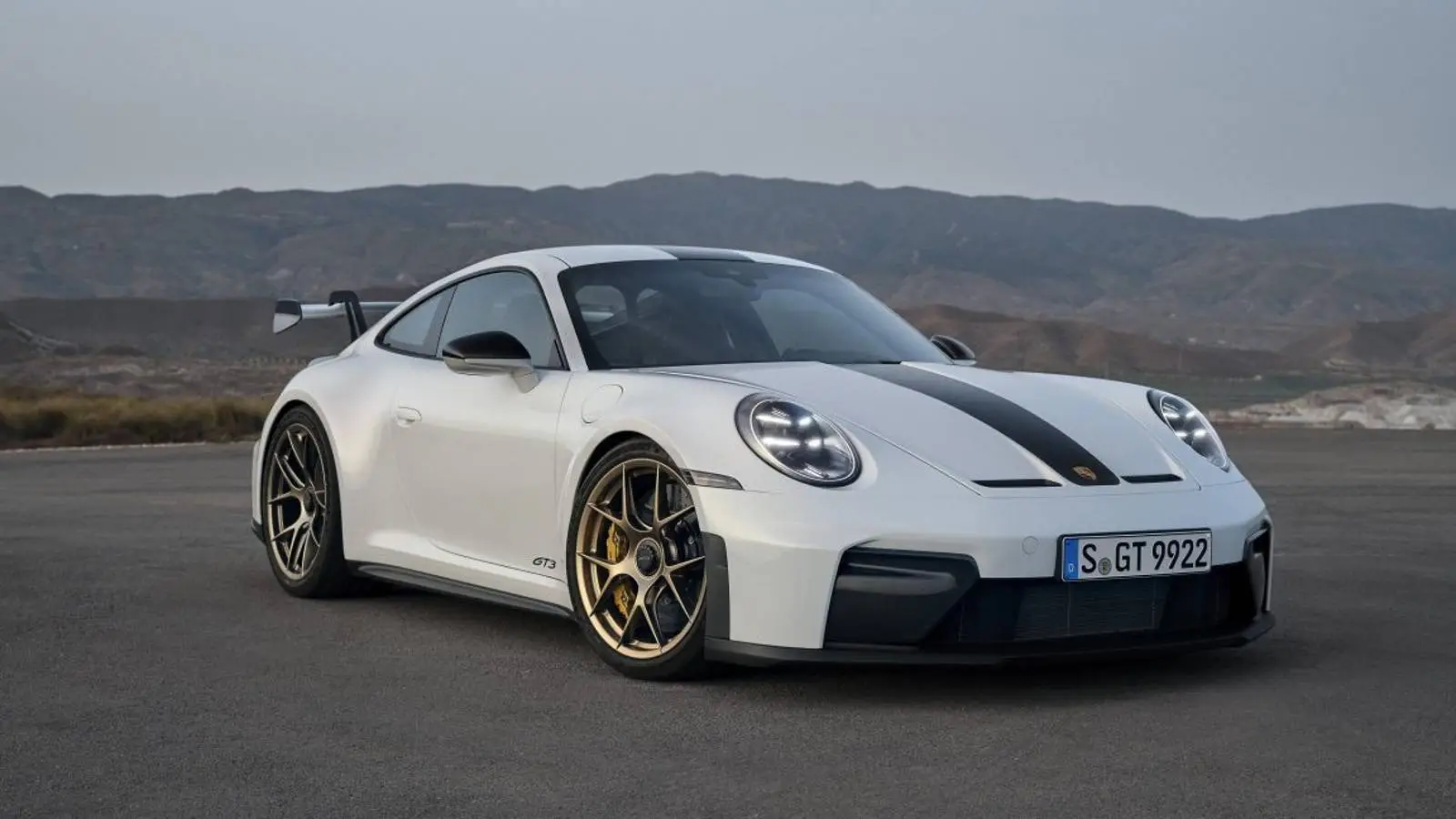
Porsche GT boss Andreas Preuninger says the 911 GT3 may adopt turbocharging as EU emissions rules tighten, putting its 4.0-litre naturally aspirated engine at risk.
The naturally aspirated engine that has defined the Porsche 911 GT3 for decades could disappear within just a few years. In Europe, the 4.0-litre flat-six without turbocharging may remain viable for “probably only a few years” without substantial changes, according to Porsche GT boss Andreas Preuninger, while in the United States it could survive for longer.
The pressure comes from tightening emissions rules. European regulations require a 55% reduction in CO₂ emissions by 2030 compared with 2021 levels, followed by a transition to effectively zero emissions by 2035. These targets directly challenge the future of high-revving naturally aspirated engines, especially in performance-focused models.
For the GT3, this is a defining issue. Since its debut in 1999, the model has remained loyal to naturally aspirated flat-six engines, shaping its identity through high-revving performance, linear power delivery, and a distinctive sound. The current version produces 510 hp, revs up to 9000 rpm, and already relies on complex exhaust treatment systems, including particulate filters and multiple catalytic converters, to meet existing standards.
Porsche has not confirmed a specific path forward, but turbocharging is openly considered as one possible solution. Preuninger did not rule it out, noting that meeting future regulations without forced induction or electrification will be difficult. At the same time, the company has already begun integrating hybrid technology into the 911 range, as seen in the Carrera GTS with its T-Hybrid system.
Even with these pressures, Porsche does not intend to abandon the internal combustion engine in the 911 in the near term. A fully electric 911 is not expected in the coming years, and the model is set to retain its traditional engineering approach longer than other cars in the lineup.
If the GT3 ultimately adopts turbocharging, it could reshape the structure of Porsche’s GT family. Historically, naturally aspirated engines defined the GT3, while turbocharging was associated with more extreme variants such as the GT2. Blurring that distinction would mark a significant shift in how these models are positioned within the brand.
Allen Garwin
2026, Apr 29 15:30