
Mercedes-Benz Q1 2026 Results Show Profit Decline and Strong EV Growth
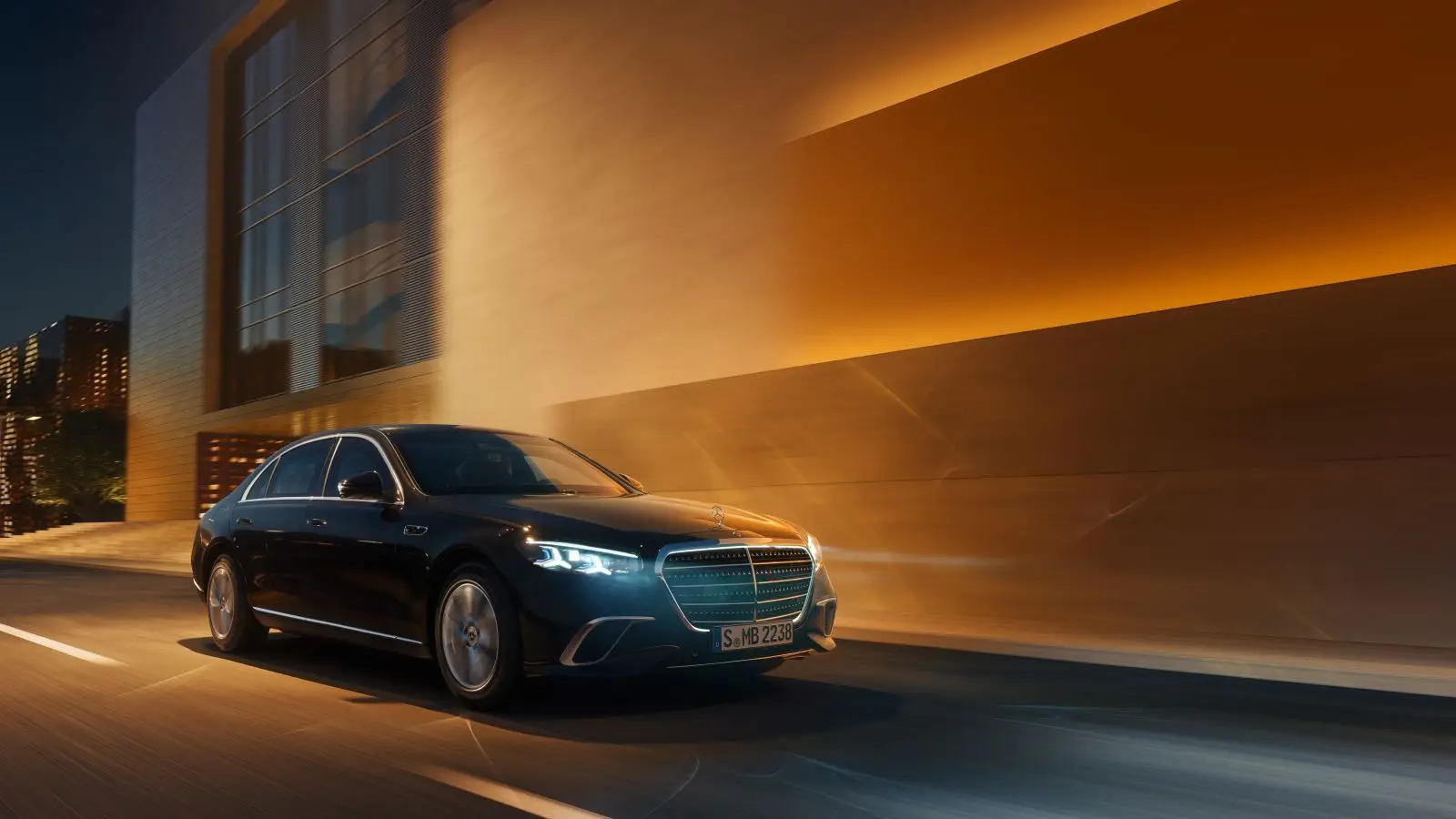
Mercedes-Benz reports Q1 2026 results with lower profit and sales, impacted by China, while EV demand and premium segment performance show growth. Learn more.
A 17% drop in profit and a 6% decline in vehicle sales — this is how Mercedes-Benz opened 2026, even as it reported solid cash flow and sharply rising demand for electric vehicles.
Group revenue reached €31.6 billion in the first quarter, while operating profit stood at €1.9 billion, both down year-on-year. Still, the company emphasizes that results are in line with its own expectations, supported by a strong free cash flow of €1.86 billion. This underlines financial resilience during a period of intensive product renewal.
The main pressure point is China. Sales in the market dropped significantly amid intensifying competition and subdued demand, while Europe and the United States recorded growth of 7% and 20% respectively. Excluding China, global car sales actually increased by 5%, highlighting the region’s outsized impact on overall performance.
At the same time, the structure of the business is shifting. The Top-End segment accounted for 14.7% of total sales, reaching the upper end of the company’s target range. Premium models also proved more resilient in China, with only a slight decline, while Mercedes-Benz maintained its leading position in the segment above RMB 1 million.
Another defining trend is electrification. Battery-electric vehicle sales in Europe rose by 34%, while order intake more than doubled, increasing by 107%. Electrified vehicles represented 41% of European sales and 19% globally. This growth was driven by new models such as the electric CLA, GLC and GLB, alongside upcoming launches including the electric C-Class and the updated EQS, which will introduce steer-by-wire technology.
Profitability in the core car business weakened noticeably, with adjusted return on sales falling from 7.3% to 4.1%. This reflects not only lower volumes but also pricing pressure and the impact of ongoing model transitions. Other divisions showed greater stability: Vans maintained a double-digit margin of 10.1%, while Financial Services increased profit by nearly 44%, supported by higher margins and improved cost efficiency.
Mercedes-Benz continues to roll out its largest-ever product program, with more than 40 new models planned between 2025 and 2027. In 2026 alone, the company is renewing its lineup across all segments — from entry-level models like the new CLA and GLB to flagship vehicles such as the S-Class, EQS and Maybach. China remains a key focus, with localized models like the long-wheelbase electric GLC L tailored specifically for the market.
Despite current challenges, the company has confirmed its full-year outlook. Revenue is expected to remain at last year’s level, while operating profit is projected to increase significantly, partly due to the absence of prior-year restructuring charges. At the same time, Mercedes-Benz continues to monitor geopolitical risks and their potential impact on consumer confidence.
The first quarter ultimately presents a mixed picture: declining financial results alongside growing demand for new and electric models, and a stronger positioning in the premium segment. This combination is shaping the company’s trajectory as the automotive market continues to evolve.
Mark Havelin
2026, Apr 30 16:10