
BMW Group sets 2035 milestone to save 60m tons of CO2e
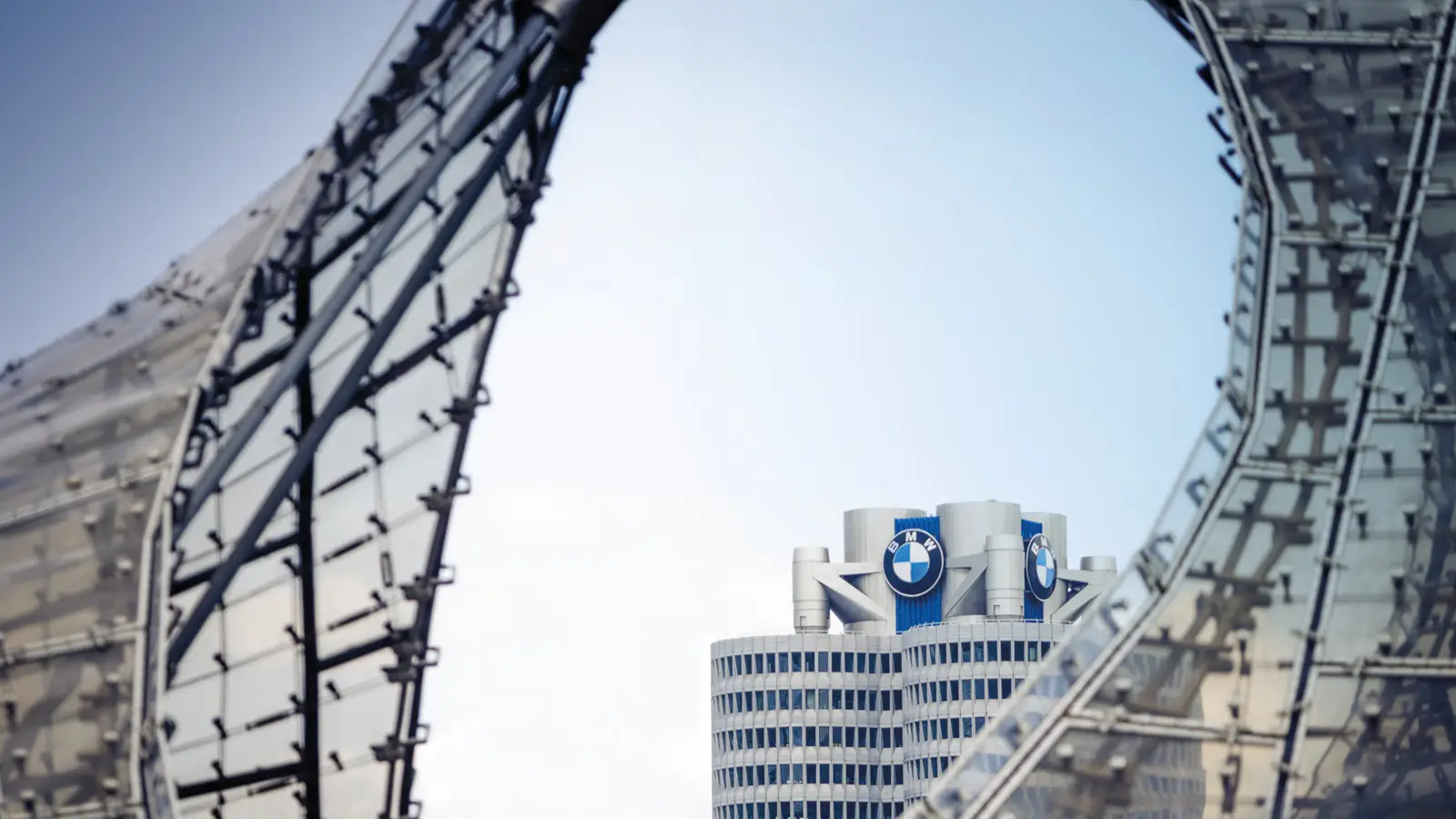
BMW Group announced a 2035 climate milestone: at least 60 million tonnes of CO2e savings vs 2019 across the vehicle life cycle. Read the key measures.
BMW Group has set a new climate milestone for 2035, aiming for at least 60 million tonnes of CO2e savings compared with 2019. The target is presented as the next step beyond the company’s 2030 goal and part of its stated path toward net zero no later than 2050.
The 2035 milestone raises the ambition of BMW’s existing 2030 commitment: the group had previously targeted at least 40 million tonnes of CO2e reductions across the vehicle life cycle versus 2019. With the new benchmark, the company adds roughly another 20 million tonnes of planned savings by 2035. BMW also highlights an intensity measure, saying that by 2035 less than half as much CO2e should be emitted per euro generated compared with 2019.
A key point in BMW’s framing is that growing customer demand for electric vehicles alone will not be enough to reach the 2030 and 2035 CO2e targets. The group therefore describes its approach as comprehensive, spanning the entire vehicle life cycle regardless of drive variant. The measures it points to include a greater use of renewable energy in manufacturing and the supply chain, increased use of secondary raw materials, additional efficiency gains during the use phase, and product and process innovations.
BMW singles out areas of the value chain where emissions are especially relevant, particularly in the supply chain for electric models. The company notes a focus on high-CO2e components and materials such as high-voltage batteries, aluminium and steel, alongside wider efforts to expand secondary materials and renewable energy. In parallel, it links progress to technology development, including its sixth-generation battery system (Gen6) for the Neue Klasse, where BMW has said it will move to cylindrical cells and expects around a 20% increase in energy density, with improvements in charging and range depending on the model.
On the production side, BMW points to its Debrecen plant in Hungary, which it describes as its first car factory designed to operate without fossil fuels such as oil and gas in standard operation and to run on renewable electricity. In its own materials, BMW also cites an estimate of around 34 kg CO2e per vehicle at full capacity and states that this represents a markedly lower level than other sites.
At the same time, BMW acknowledges that hitting the 2035 milestone depends on external conditions as well. Among the factors it names are the steel industry’s transition toward more CO2e-reduced steel, the expansion of charging infrastructure, progress in the circular economy, and advances in battery cell technologies. Taken together, the new milestone underlines BMW’s message that decarbonisation is not a single lever, but a set of changes across sourcing, production, use and recycling that must move in parallel.
Mark Havelin
2025, Dec 04 04:50