
BMW iX3 media assets: WLTP range, 800V tech, Neue Klasse
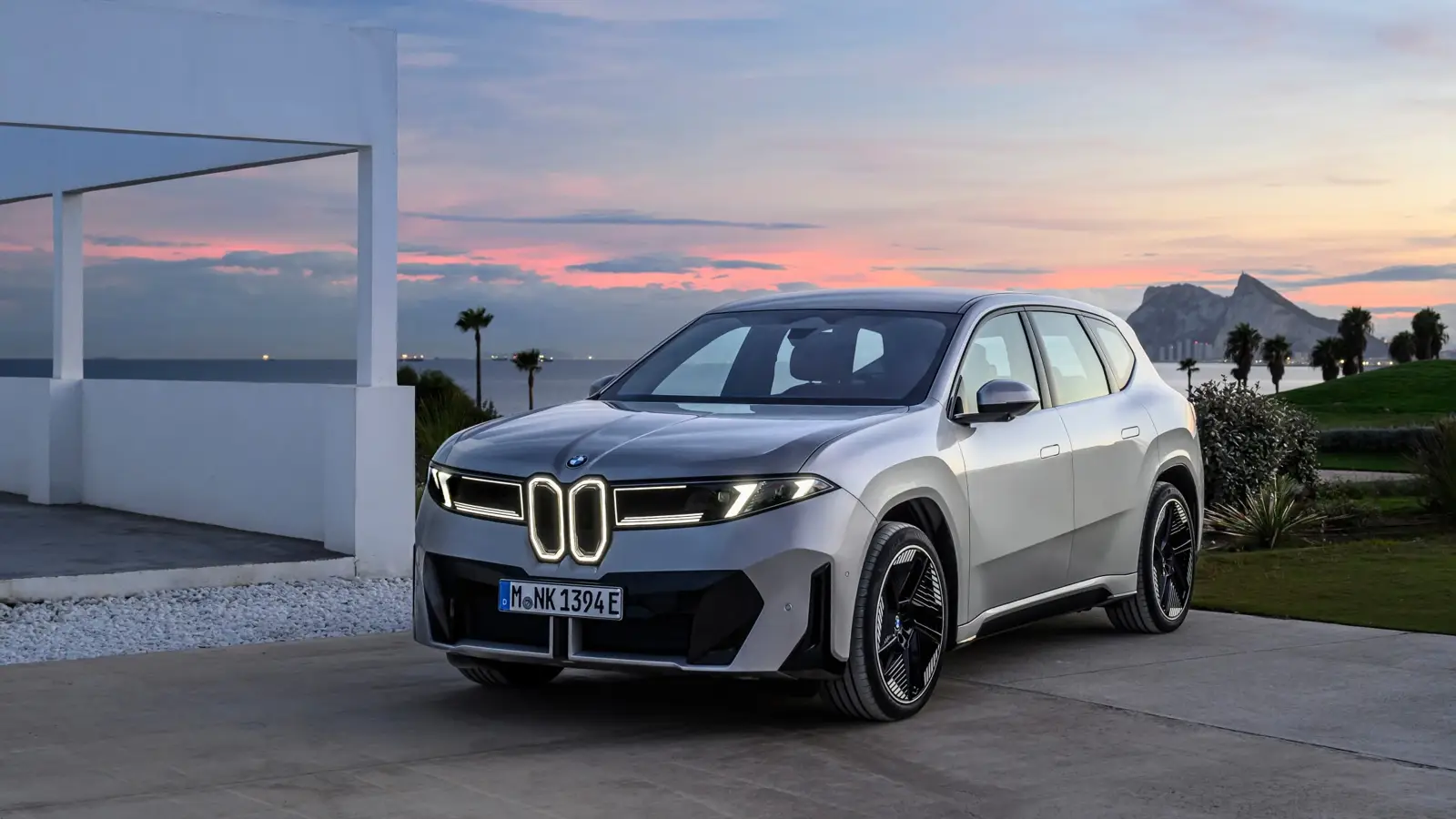
BMW Group shares new BMW iX3 media assets with WLTP range and 800V charging; see what Reuters reports on Debrecen production timing and price. Read the details.
BMW Group has published a PressClub Global piece on the new BMW iX3 that, in form, looks like an “editorial kit”: a set of on-location photos and b-roll shot during the model’s international media launch in Sotogrande, Spain. But behind that utilitarian wrapper sits a bigger point—iX3 is no longer positioned as just another electric crossover in the lineup. It is being used as a showcase for BMW’s next era.
iX3 as the “first swallow” of Neue Klasse—and why it matters
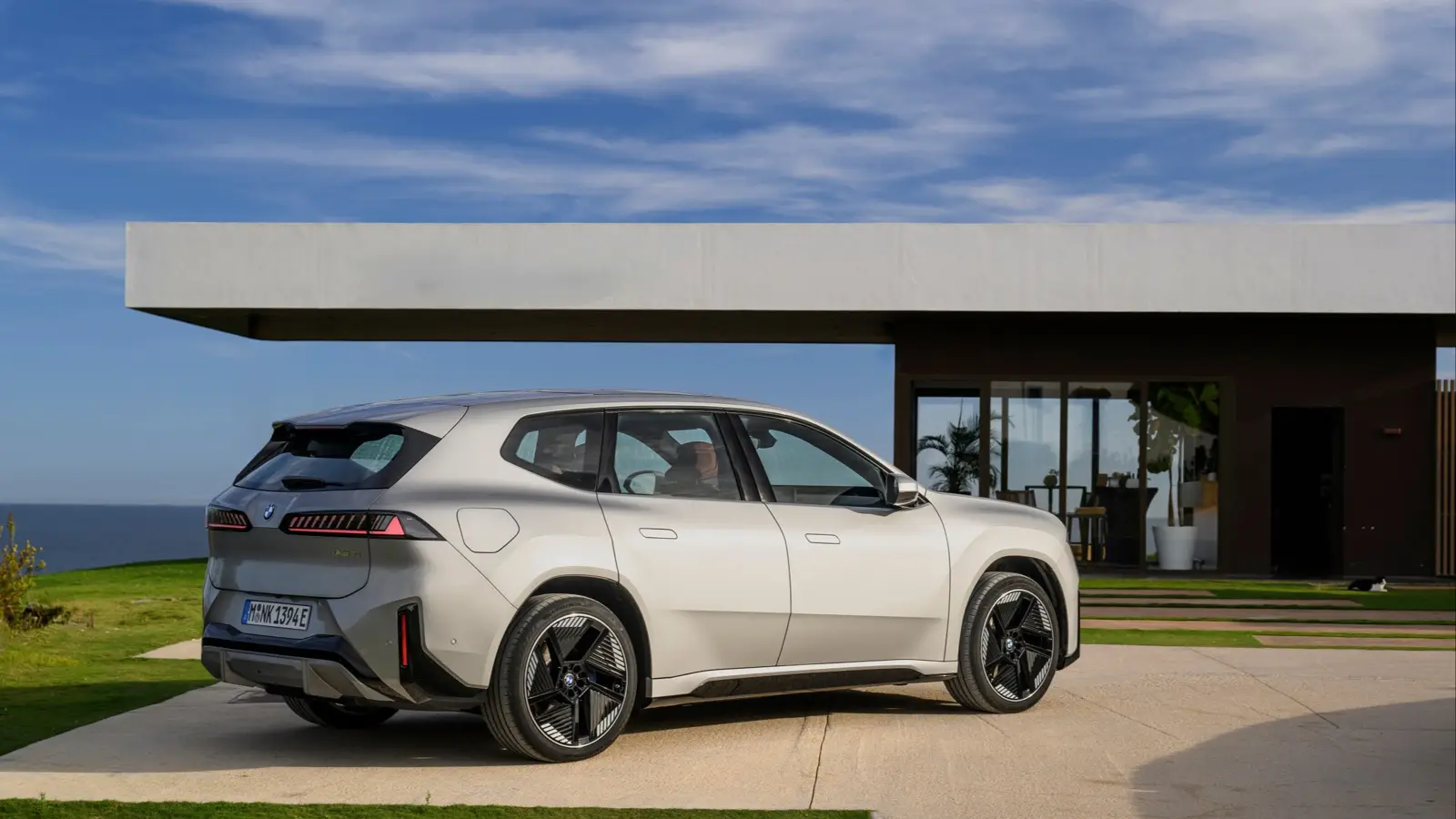
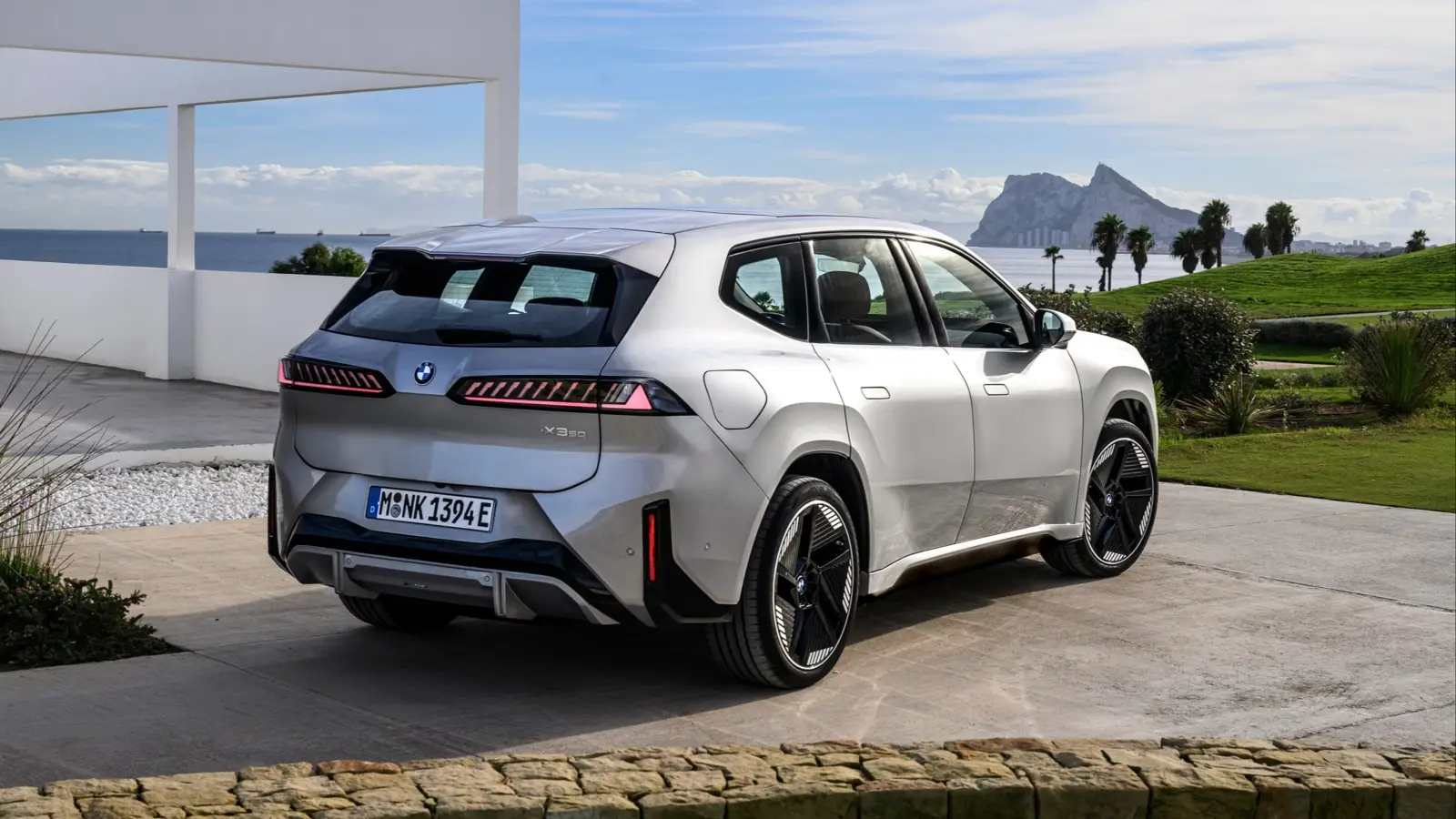
The iX3 is described as the first series-production representative of Neue Klasse. And there is a crucial caveat here: this is not an “electrified X3,” but a standalone model on a separate architecture. Future X3s with combustion engines may look similar on the outside, but in engineering terms and product logic, iX3 is a different story. It is as if a familiar name were being used to launch a new family—with new rules, new priorities, and a new set of technologies.
BMW is quite clearly trying to set the frame: Neue Klasse is not about cosmetic progress, but about a platform shift and a change of approach. That is why even this “media package” reads broader—it lays down the visual and narrative rails for the lineup that follows.
WLTP figures that explain the noise around the model
The publication lists key WLTP indicators:
energy consumption: 17.9–15.1 kWh/100 km;
CO₂ emissions: 0 g/km;
efficiency class: A;
range: 679–805 km.
The range span itself looks like a bid for serious competitiveness: iX3 is presented not as “just another electric crossover,” but as a demonstration of what the new technical base can deliver. In this framing, the numbers work almost like headlines—arguments BMW is using to answer the typical EV questions: “how far does it go?” and “how practical is it?”
800 volts and up to 400 kW charging: betting on convenience, not promises
Another layer is the electrical hardware and charging infrastructure. In specialist coverage, iX3 is highlighted as BMW’s first electric model on an 800-volt architecture, and DC charging up to 400 kW is mentioned. Combined with the claimed WLTP range, it reads as an attempt to tackle two of the most persistent EV pain points at once—recharging speed and long-distance usability—and to do it on a series-production product rather than on concepts.
If these parameters prove stable in real use and in mass production, BMW sends a strong market signal: Neue Klasse is not an experimental corner of the portfolio, but the new normal for the brand.
Production and sales plan: when the project enters its “adult” phase
Once timelines and factories appear, the conversation becomes more grounded—and more serious. According to Reuters, series production of the iX3 at the Debrecen plant in Hungary is expected to start in late October 2025, with European sales beginning in March 2026. Reuters also cites an indicative price point of €68,900.
This connection helps explain why an “assets for editors” release is coming now: the car is moving from the world of premieres and loud promises into a phase where timing, scale, and economics matter as much as design and record numbers in press materials. In other words, questions like “how it looks” will increasingly be replaced by “how fast they can build it” and “what it will cost in a real buying decision.”
Assistance without the “nervous factor”: how BMW describes the driving experience
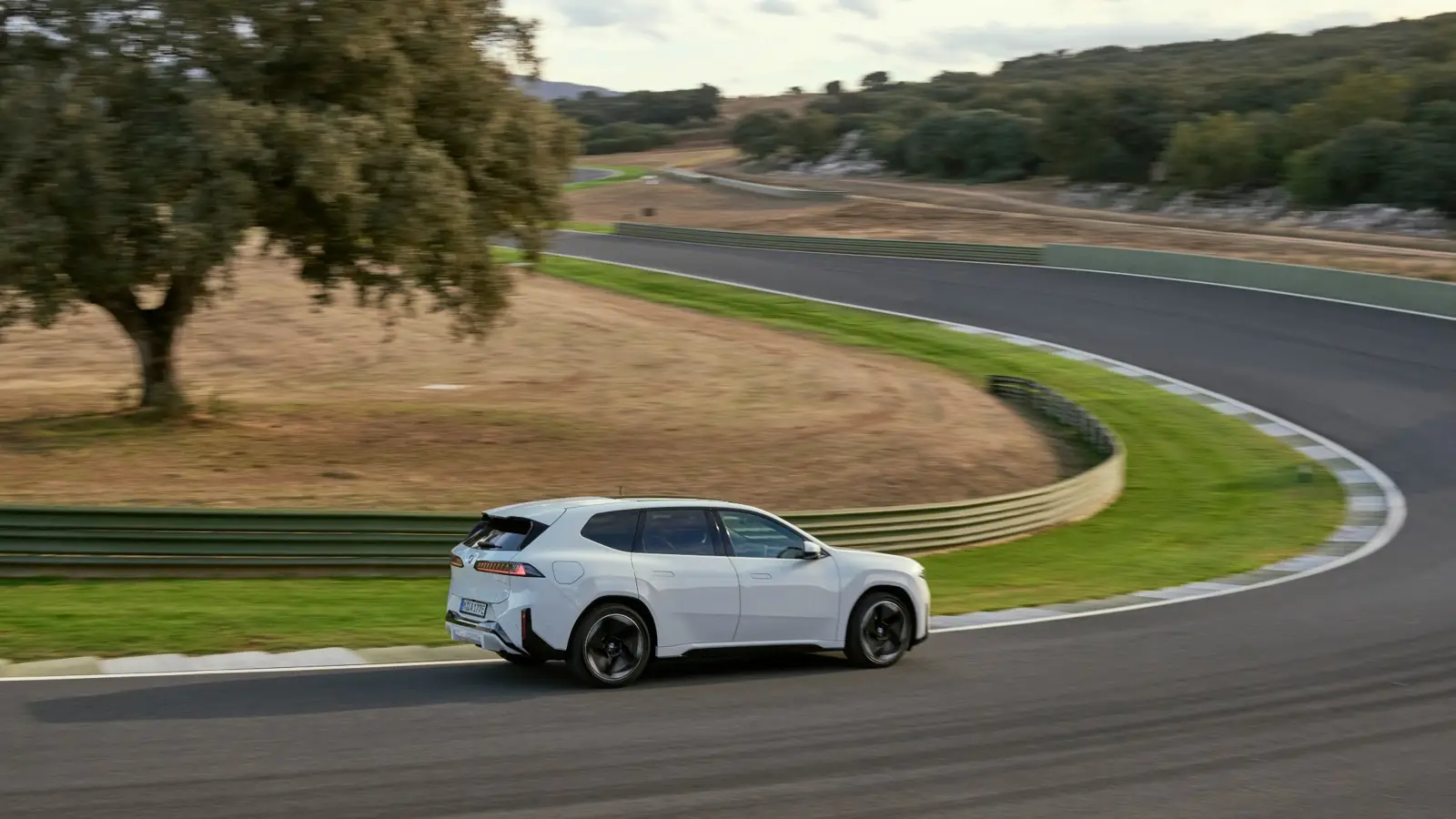
In descriptions of the car’s behavior, there is a noticeable emphasis on “symbiosis”—BMW’s term for the interaction between the driver and assistance systems. The idea is not to pile on functions that constantly nag the person behind the wheel, but to make assistance feel natural: invisible when it works correctly, and easy to override when the driver wants to step in.
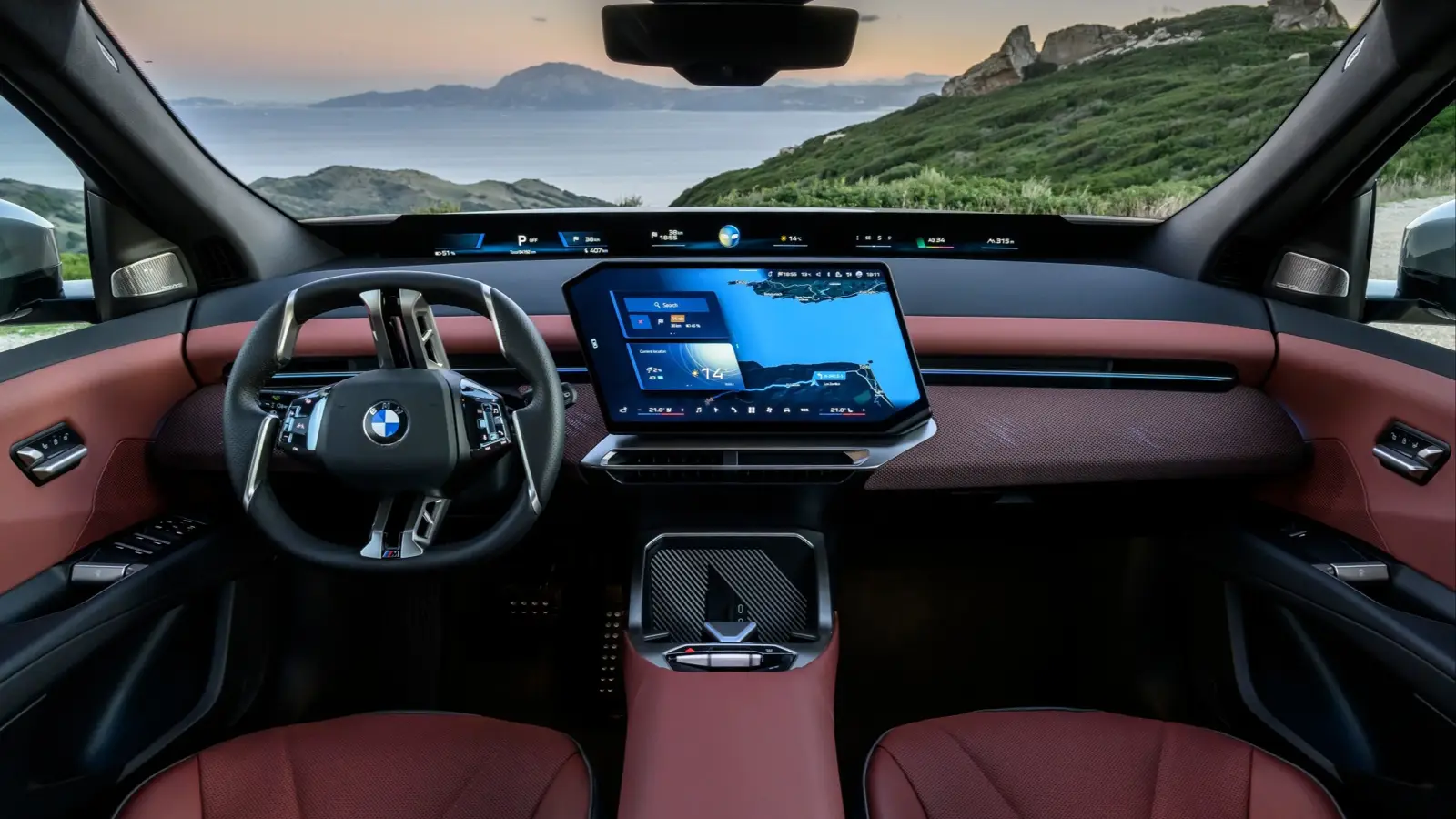
Within this logic, the control architecture becomes a key detail: iX3 is said to use four central computing units responsible for driver assistance, real-time data processing, torque distribution, drivetrain systems, infotainment, and connectivity functions. This “brain center” is portrayed as the basis for confident behavior even with imperfect lane markings and in complex road situations.
At the same time, the balance is underlined: the driver remains “in command,” because they can intervene at any moment with steering, throttle, or braking, or switch the system off with a button. The point is almost philosophical. BMW seems to be saying: “We will give the car a lot of intelligence, but we won’t take away the human right to decide.”
Dynamics, space, and practicality: a car for the long distance
iX3 is described as a large electric SUV: around 4.80 m long and 1.90 m wide. The materials also mention:
power in one version: 470 hp;
trunk volume: 520 liters;
wheelbase: 2.90 m.
Put together, these figures suggest a car that is “not only for the city.” The trunk is described as having a practical shape and an underfloor compartment; the rear row is presented as spacious, with an airy feel thanks to a panoramic glass roof, plus practical touches such as a center armrest with cupholders and 40/20/40 backrest folding (including a pass-through for longer items).
On the dynamic side, the emphasis is on brand character: the all-wheel drive is described as rear-biased, with a pairing of electric motors (an asynchronous unit up front and a more powerful synchronous unit at the rear). Together with fine-grained torque management, this leads to a clear idea: even in the electric era, BMW wants to keep the right to be associated with “driving enjoyment,” albeit with new technical foundations.
What comes next: the starting point before the real tests begin
Right now, iX3 is presented as the starting point of Neue Klasse—and that is why there is so much “packaging” around it: polished Sotogrande visuals, underlined WLTP figures, talk of 800 V and fast charging, and an emphasis on computing architecture and driver “symbiosis.”
But the unavoidable next part of the story is where marketing clarity meets reality: how quickly BMW can scale production, whether it can hold the stated characteristics, and how convincingly iX3 will stack up against direct competitors not on paper, but in real purchase decisions. The direction is clearly set—now it will have to be proven over the long run.
Ethan Rowden
2025, Dec 05 20:35