
Alfa Romeo Tonale for All: adaptive driving for upper-limb disabilities
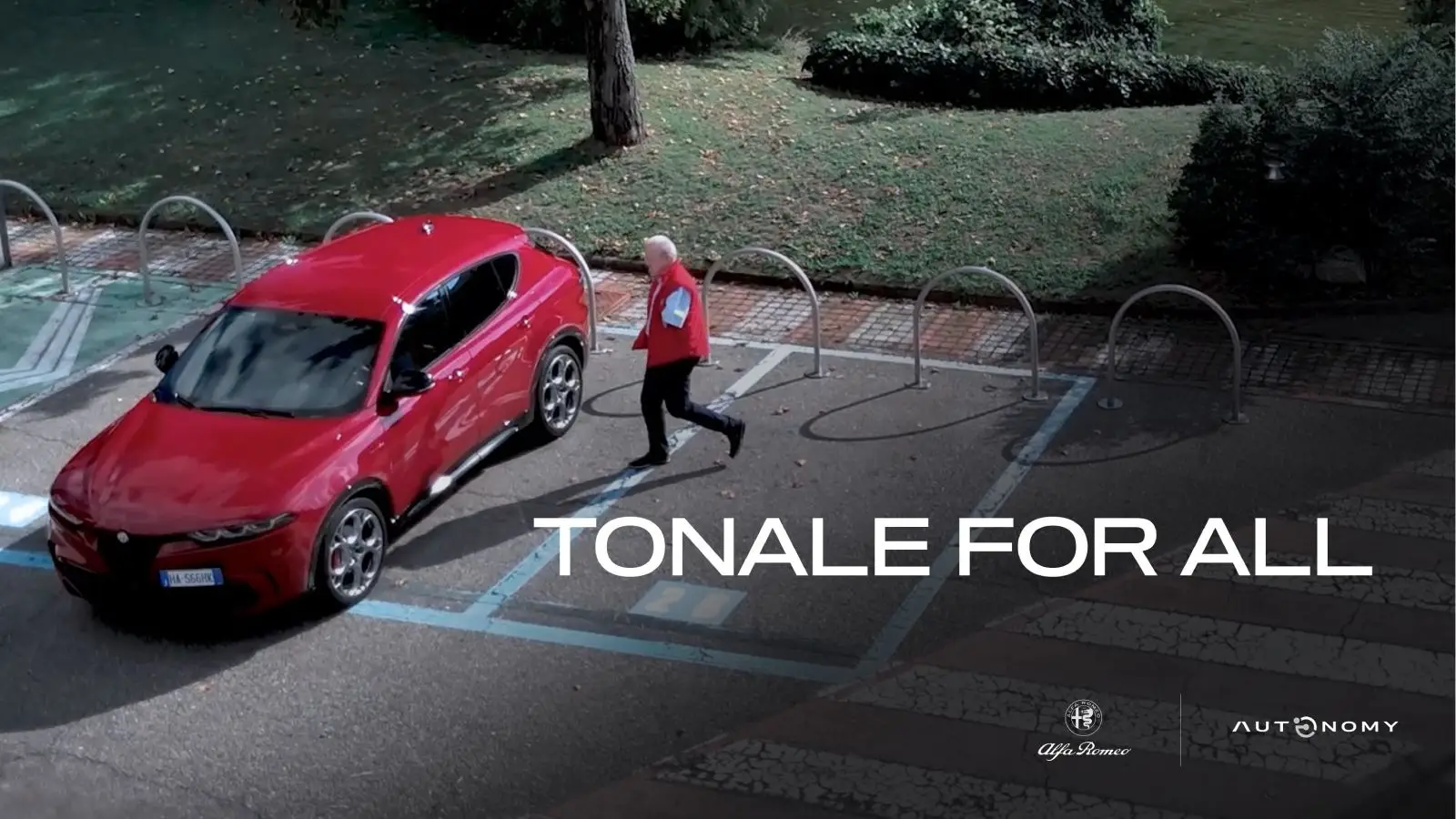
Stellantis presents Alfa Romeo Tonale for All with pedal steering and 3D-printed console, expanding independent driving for upper-limb disabilities—learn more.
Stellantis used the International Day of Persons with Disabilities to present a special version of the Alfa Romeo Tonale: Tonale for All. The project is positioned as a practical step toward more inclusive mobility—an adaptation engineered for drivers with upper-limb disabilities, aimed at supporting greater independence behind the wheel without stepping away from safety requirements.
At the core of Tonale for All is a set of technical solutions developed in Italy in collaboration with CRF and Fadiel Italiana. The headline feature is the DGS03 pedal steering system, an electromechanical setup with dual motors that enables steering through pedal movement. Stellantis highlights a fully redundant architecture—duplicating motors, batteries, and control units—supported by a TFT display that provides continuous feedback to the driver.
A second major change is the redesigned central console. Raised and custom-built using additive manufacturing, it is intended to keep primary controls within easier reach. Stellantis lists access to key functions such as the transmission, horn, windows, lights, an electric brake, voice commands, and USB ports through this reworked layout.
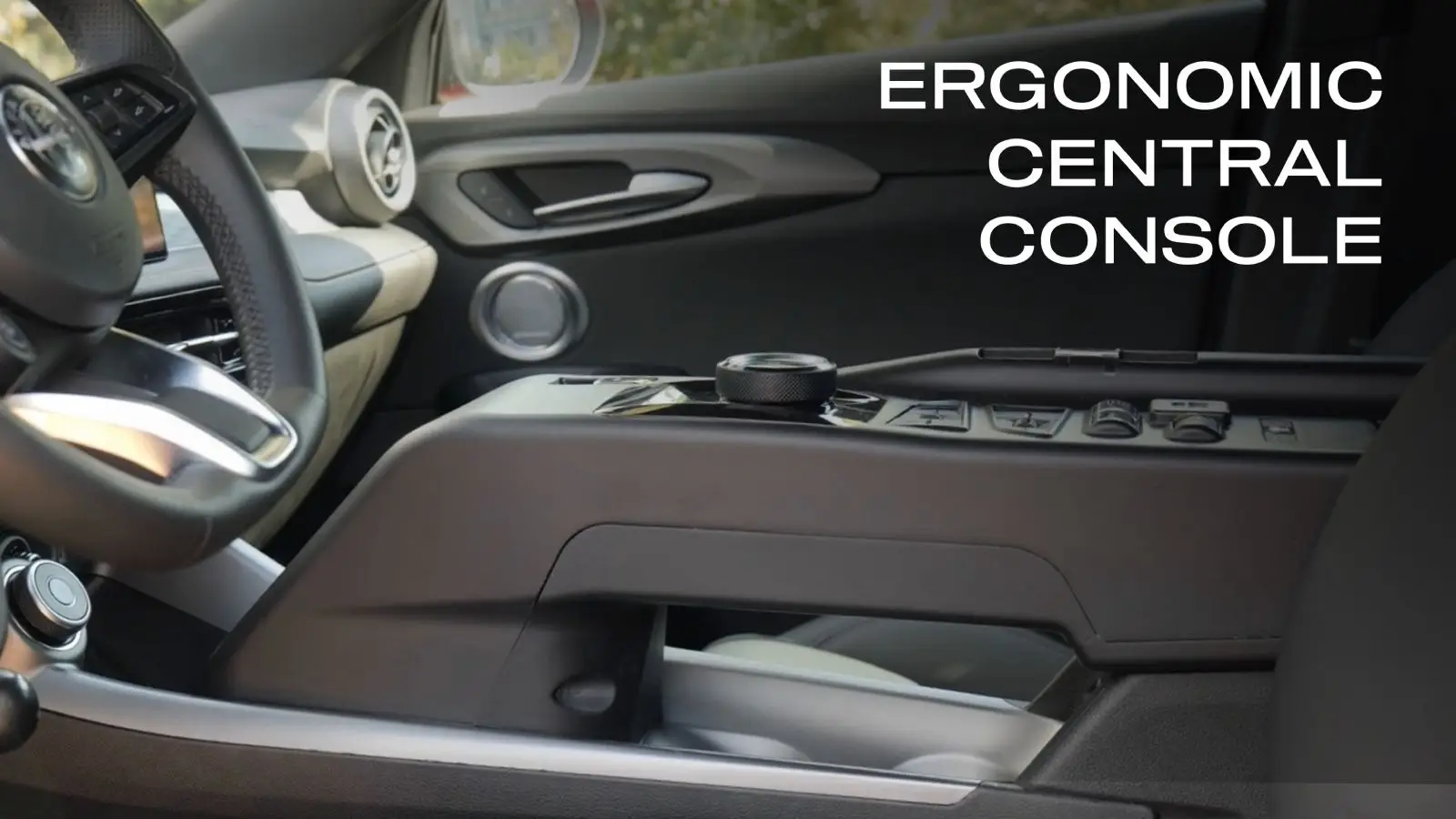
Safety and compliance are also central to the message. The console is engineered to meet UN/ECE Regulation No. 21 (ECE R21) crash-related interior safety requirements, with rounded edges and minimal intrusion into the cabin space. Tonale for All has also received Italian homologation as a unique specimen from the Ministry of Infrastructure and Transport.
Stellantis frames Tonale for All as more than a one-off concept. The company says the solutions developed for this project can be adapted across the broader Stellantis portfolio and tailored to individual needs, in line with local regulations and medical commission requirements.
The debut also fits into a wider track record the group points to. Stellantis references Citroën Ami for All—an initiative that emerged in 2020 from the internal Star*up program and was developed with PIMAS to support accessible, everyday mobility, particularly for wheelchair users. Alongside that, the company highlights its long-running Autonomy Program in Italy (launched in 1995, with Mobility Centers offering assessment and guidance on adaptations) and the U.S. DriveAbility Program, which focuses on vehicles designed for adaptive modifications.
If efforts like Tonale for All move from single demonstrations toward repeatable, scalable solutions, they could help turn adaptive driving from a bespoke exception into a more standardized pathway. In Stellantis’ framing, the message is that inclusive mobility can be built into engineering choices—and still sit within a mainstream vehicle lineup rather than remaining a separate niche.
Mark Havelin
2025, Dec 07 10:45