
Hybrid Cars Before the Prius: Armstrong, Porsche, Woods

Learn how hybrid cars began before Toyota Prius: the 1896 Armstrong, Lohner-Porsche’s early system, and the 1916 Woods, per museums and Porsche. Read on.
The history of hybrid cars did not begin with the Toyota Prius. Long before hybrids became a familiar badge on modern road cars, engineers were already trying to combine gasoline power with electric drive to solve a very practical problem: how to get the usability and range that early technology struggled to deliver with a single power source.
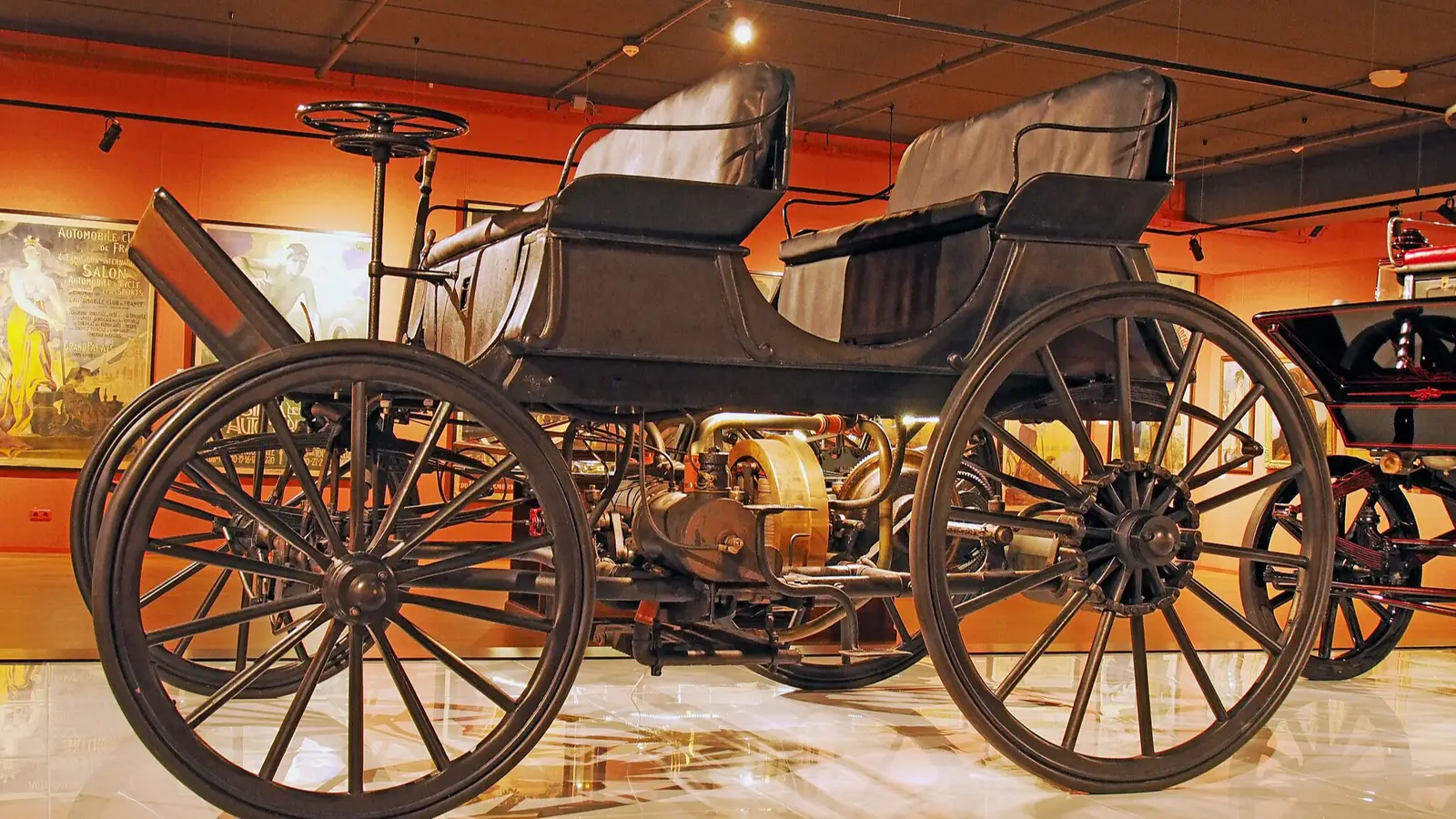
One of the earliest documented examples is the Armstrong Petrol-Electric Hybrid from 1896. According to the Louwman Museum, it is the oldest petrol-electric hybrid automobile, and its museum description reads like a preview of later automotive ideas: an electric starter, a semi-automatic transmission, automatic ignition advance/retard, and even an electrically operated clutch, among other features. Yet the project did not translate into a viable business. The museum notes that the company built only one, and the concept proved commercially unworkable.
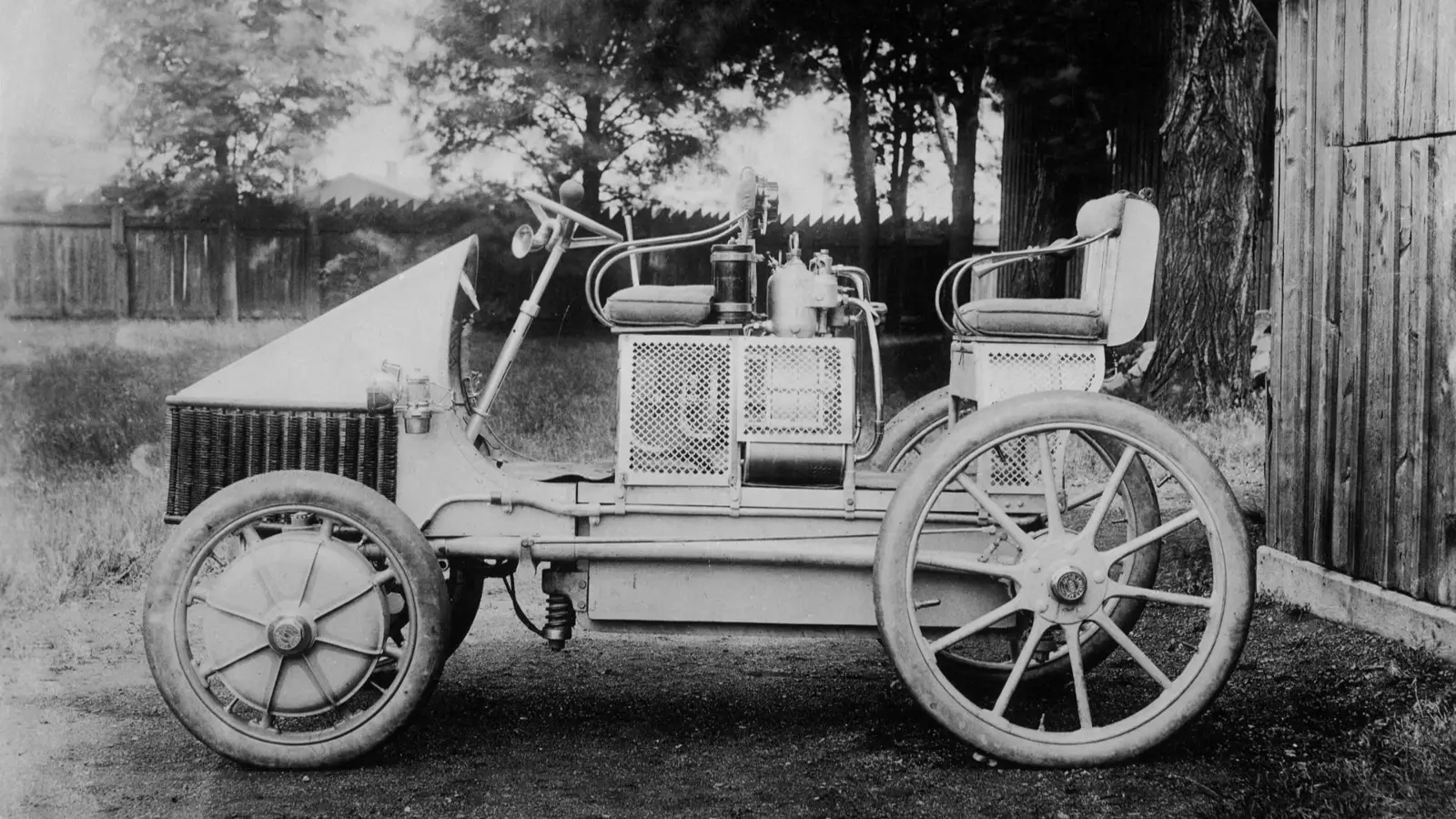
In Europe, another major thread is tied to Ferdinand Porsche and the Lohner-Porsche system. Porsche’s own historical material highlights early hybrid development in which a gasoline engine served as a mobile source of electricity for the drivetrain, while propulsion could be handled electrically, including via hub-mounted electric motors. Some reference sources describe this layout in terms that match what would now be called a series hybrid, where the engine is not mechanically linked to the wheels but instead generates electricity. Porsche also states that around 300 vehicles were built using the Lohner-Porsche system, with applications that went beyond private owners to include uses such as taxis and public services.
.jpg)
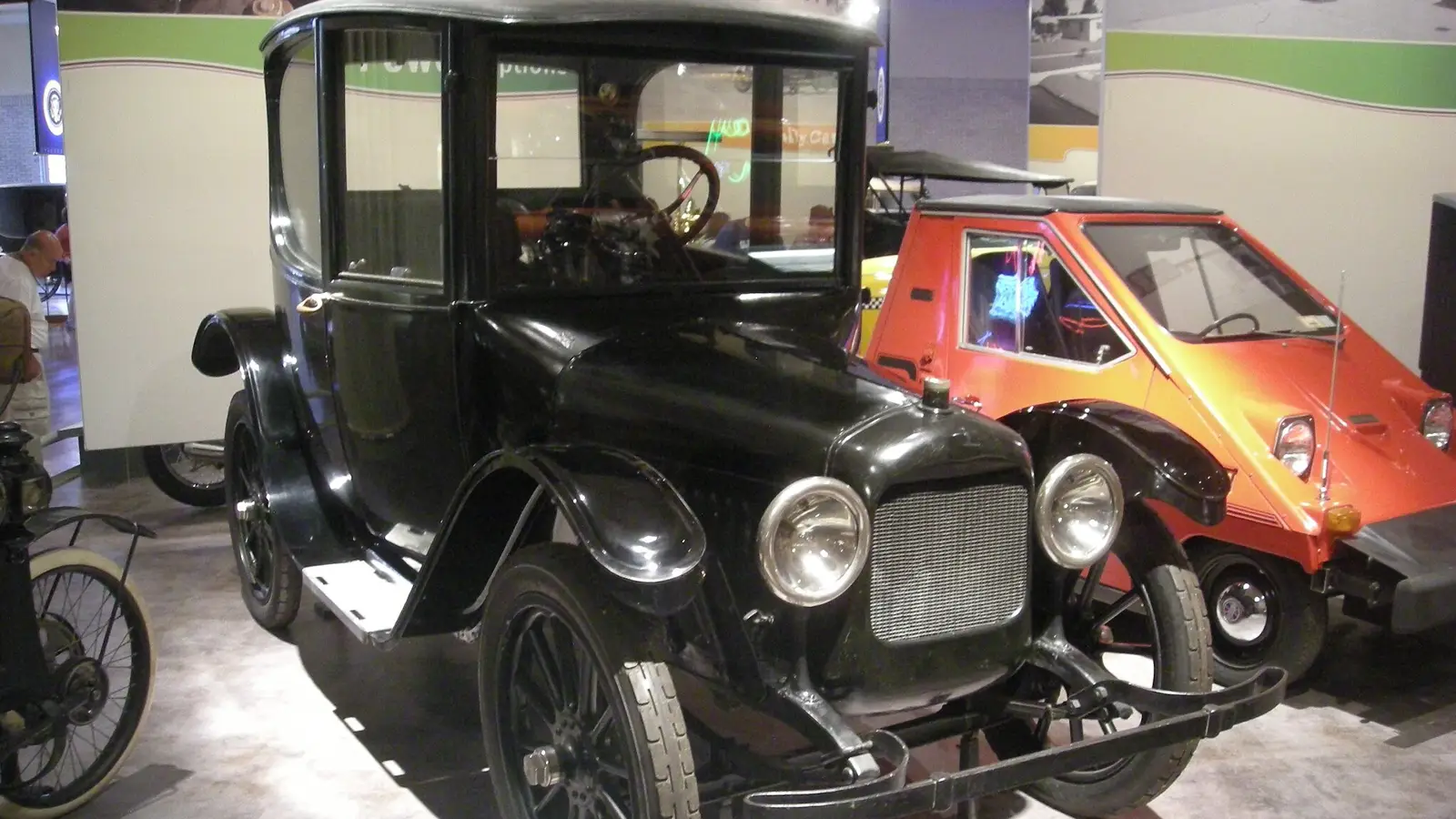
By the 1910s, the hybrid idea was being pitched in the United States as a path to broader customer appeal. The Henry Ford museum describes the 1916 Woods Dual-Power Hybrid Coupe as an attempt to offer the “best of both” power sources, with batteries and gasoline driving the vehicle. But the market did not agree with the promise. The museum notes that the model and the company itself faded away by 1918.
Taken together, these early cases suggest a clear pattern: hybrid thinking was never just a modern trend. It emerged from a search for workable compromises in an era of strict technological limits. The first hybrids did not become mainstream, but the underlying idea proved durable—and it would later return in a different technical landscape, where it finally had the conditions to scale.
Allen Garwin
2025, Dec 08 16:21