
How Skoda uses MQ, DQ and AQ gearboxes worldwide
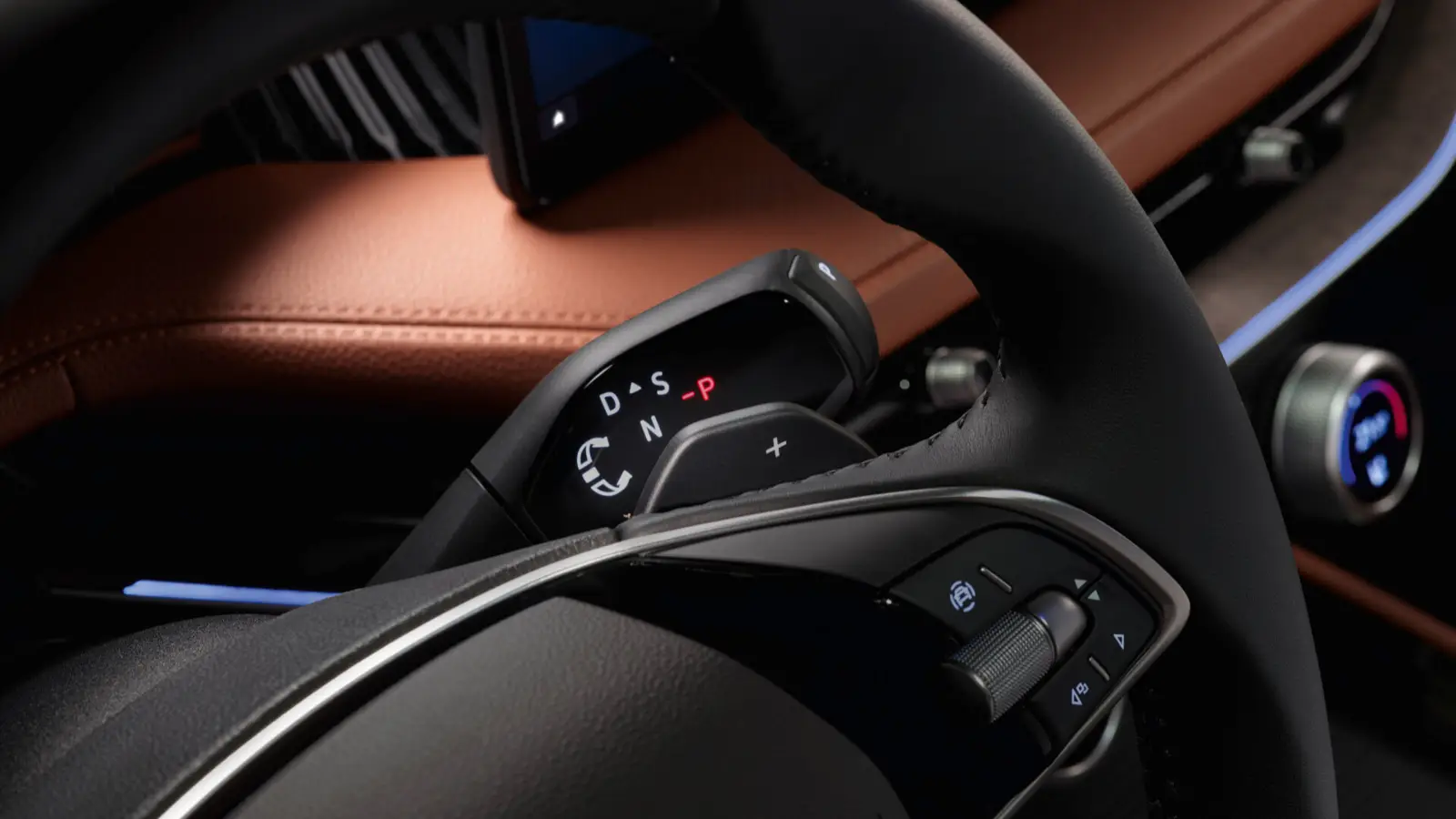
Learn how Skoda uses MQ manuals, DQ dual-clutch units and AQ torque-converter automatics across global markets while electrified models gain ground today.
In Skoda's world of combustion-engine cars, three types of gearboxes are quietly sharing the workload. On some markets comfort and low fuel consumption matter most, in others the priority is surviving brutal heat and endless traffic jams, and a part of the audience still values the feeling of shifting for themselves. That is why the brand develops three parallel concepts: the MQ manual gearboxes, the DQ dual-clutch automatics and the AQ torque-converter automatics.
Internally, Skoda labels its manuals as MQ, dual-clutch units as DQ and hydrodynamic automatics as AQ. Not every option is available on every model or market. As head of transmission development Milan Litoborsky puts it, it is practically impossible to design a single transmission that performs equally well in every part of the world, so Skoda deliberately relies on several solutions to cover different use cases. At the same time, he stresses that all transmission types for combustion-engine vehicles still have a long future ahead of them, in Europe and globally, despite the rise of electrification.
The manual gearbox remains the most traditional piece of the puzzle. Skoda has decades of experience with MQ gearboxes such as the MQ200 and MQ100/SQ100, produced at the Mlada Boleslav plant since 2000. By 2021 more than eight million MQ200 units had left the line, with up to roughly 1,900 gearboxes produced per day in some years. The appeal is familiar: a comparatively simple mechanical design, lower cost and a stronger feeling of driver involvement, especially for more spirited driving.
In Litoborsky's words, the 'brain' of a manual transmission is the driver. It is the person behind the wheel who decides when and how to shift, and who can push the mechanical limits of the car. A skilled driver can perform a smooth hill start on a steep incline or tow a heavy trailer with a manual gearbox, but the clutch will inevitably suffer over time. Engineers note that, in purely mechanical terms, manuals are already close to their development ceiling; further gains mainly depend on new materials, improved manufacturing processes and better lubricants.
The industrial reality around them is changing, though. According to trade-union reports and local media, Skoda will begin phasing out production of the MQ200 manual in 2025, after around a quarter of a century. In 2024 the company built more than one million gearboxes in total, including about 355,000 MQ200 units and roughly 711,000 DQ200 dual-clutch automatics. As MQ200 comes to an end, European Skoda models with combustion engines are expected to be offered only with automatic transmissions, while employees from manual-gearbox lines move to the production of electric drive components.
Automatic gearboxes are the other side of the story. They are mechanically more complex and therefore more expensive, but they reward drivers with easier operation and consistent performance. Automatics can prevent many of the user errors that occur with shifting, and they work better with advanced driver-assistance systems that need precise electronic control of the powertrain.
Among Skoda's automatics, the DQ family of dual-clutch transmissions is the most visible in Europe. The seven-speed DQ200, a dry-clutch DSG for engines of up to around 250 newton-metres, is assembled at the Vrchlabí plant. Before series production, this gearbox underwent around 60,000 hours of bench testing and about two million kilometres of test driving in demanding conditions. The concept uses two input shafts, one for the odd gears and one for the even gears, and two clutches that allow the next gear to be pre-selected. As a result, shifts can take only fractions of a second.
In everyday driving this translates into very fast yet smooth changes of ratio. Engineers can tune a dual-clutch transmission so precisely that the driver barely feels the shift in terms of vehicle movement and only notices the change in engine speed. The smooth power flow contributes to high drivetrain efficiency and helps to reduce fuel consumption and CO₂ emissions. Thanks to these strengths the DQ200 is now used not only in many Skoda models but also in a wide range of Volkswagen, Audi and SEAT cars, with more than three million units built and over 700,000 produced in a single recent year.
There are limits, however. Because the clutches in a DQ200 work without an oil bath, they can be stressed in extremely hot, humid climates and in very heavy stop-and-go traffic. For regions where such conditions are part of daily life, Skoda turns to a different solution.
That solution is the AQ torque-converter automatic. Instead of friction clutches it uses a hydrodynamic converter, in which oil transfers power between the impeller and turbine, combined with sets of planetary gears to change ratios. According to Litoborsky, this layout is best suited to places with extreme temperatures, high humidity and traffic where cars crawl forward for hours. In his words, compared to some parts of the world, Europe does not really know what a traffic jam is.
India is one of the clearest examples. The locally developed Skoda Kushaq and Slavia, together with their Volkswagen siblings Taigun and Virtus, currently pair the 1.0 TSI engine with a six-speed torque-converter automatic. Indian automotive media report that from around 2026 these models will switch to a new eight-speed AQ300 automatic supplied by Aisin. The additional ratios are intended to keep the engine in a more efficient operating window and to help Skoda and Volkswagen meet tightening Indian corporate average fuel-efficiency (CAFE) targets, while the basic torque-converter layout remains robust in hot, congested urban conditions.
In parallel, Skoda's product mix is changing. Company figures and independent reports show that the share of electrified models – battery-electric vehicles and plug-in hybrids – has risen from about 9.4 per cent of sales to around 23 per cent within a year. Order books for electric SUVs such as the Enyaq and Elroq already contain over 120,000 cars. As the brand invests more in electric platforms, part of the transmission workforce is being reassigned from manual gearboxes to components for e-drives.
Taken together, these developments explain why Skoda talks about a long future for all three transmission types while simultaneously reshaping its factories. Manuals like the MQ200 are gradually stepping back in Europe but remain part of the global picture; dual-clutch units such as the DQ200 specialise in combining comfort with efficiency on many markets; and AQ torque-converter automatics are reserved for the harshest climates and the worst traffic. Rather than chasing a single universal solution, Skoda is dividing the work between technologies – and letting each gearbox do the job for which it is best prepared.
Allen Garwin
2025, Dec 11 23:32