
Nissan receives CDP A-List rating for climate and water security
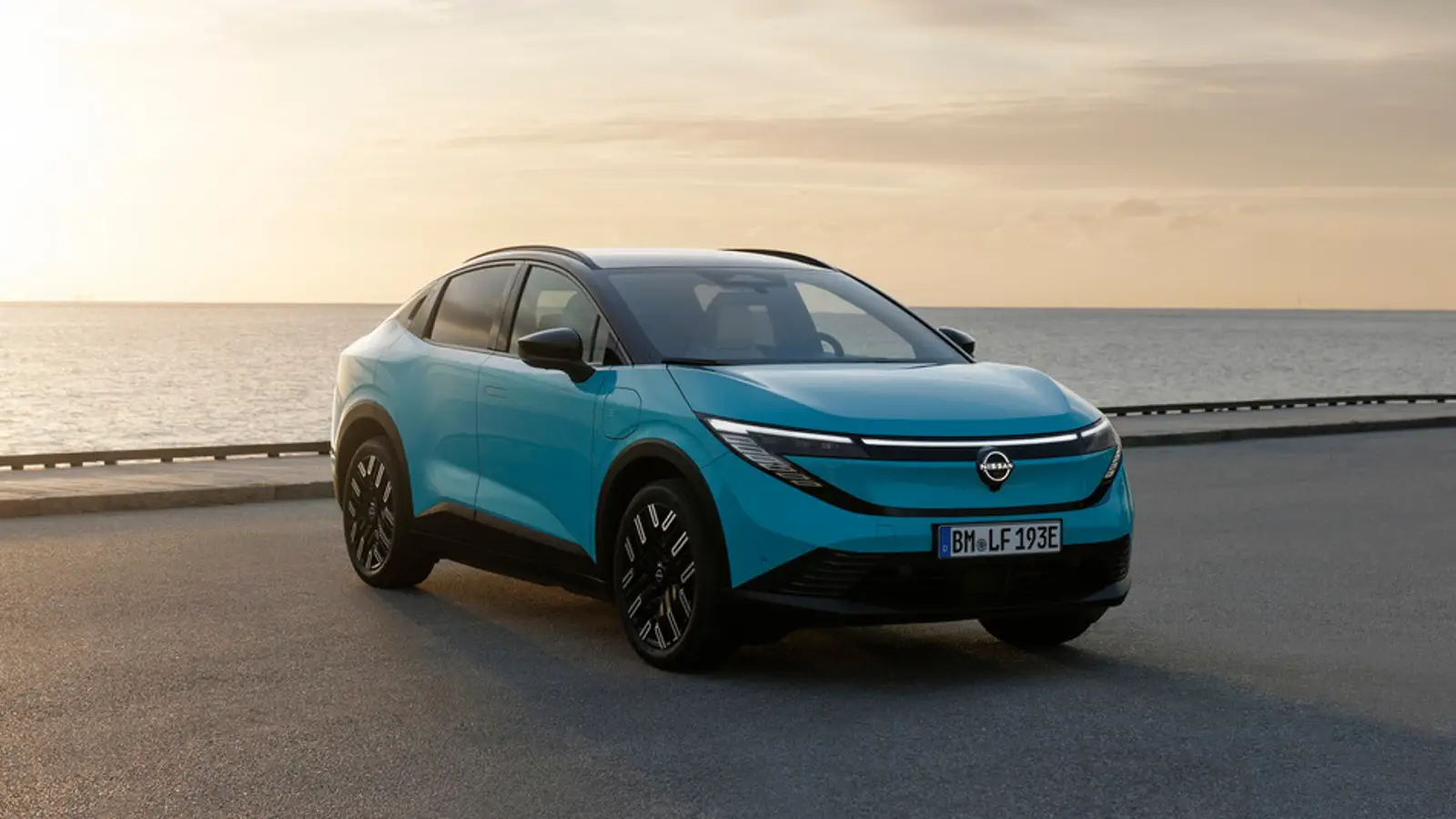
Nissan is recognized by CDP with A-List ratings for climate change and water security, reflecting long-term sustainability strategy and environmental performance.
Nissan has once again been recognized among the global leaders in corporate sustainability, securing a place on CDP’s A List for both climate change and water security for the second consecutive year. The achievement is not an isolated success: the automaker has maintained a Leadership-level rating for climate change for thirteen straight years and has been included in the A List for water security for seven years in a row.
CDP is widely regarded as one of the most influential benchmarks for environmental transparency, used extensively by institutional investors and ESG analysts. Its assessments go beyond disclosure, examining governance structures, risk management, strategic planning, and measurable actions. According to CDP, only around two percent of participating companies ultimately reach the A List, underscoring the selectivity of the ranking.
Nissan’s strong performance is rooted in the steady implementation of its mid-term environmental strategy, the Nissan Green Program 2030. Within this framework, climate change and water management are defined as core environmental priorities, embedded across the company’s global operations and value chain.
At the long-term level, Nissan continues to pursue its goal of achieving carbon neutrality by 2050, covering both operational emissions and the full product lifecycle. Progress toward this target includes expanding the portfolio of electrified vehicles, such as battery electric models and e-POWER systems, increasing the share of renewable energy, and introducing energy-efficiency measures at manufacturing plants and offices.
Water security represents another critical pillar of Nissan’s environmental approach. The company assesses water-related risks at all production sites worldwide using the Aqueduct Water Risk Atlas developed by the World Resources Institute. In areas facing high water stress, Nissan focuses on reducing overall water consumption, recycling wastewater, and utilizing rainwater, while stating that wastewater treatment standards exceed local regulatory requirements.
Nissan’s climate strategy is further illustrated by the EV36Zero project in the United Kingdom, an industrial ecosystem combining electric vehicle production, battery manufacturing, and renewable energy use. The initiative is positioned as a practical step toward low-carbon manufacturing and supports the company’s broader transition objectives.
Given that CDP scores are increasingly factored into investment decision-making, Nissan’s continued presence on the A List may carry strategic implications beyond reputation alone. The consistency of these results over many years suggests that environmental performance is becoming an integral element of the company’s long-term business model rather than a standalone sustainability effort.
Mark Havelin
2025, Dec 16 12:10