
Chevrolet Corvette E-Ray: What Real-World Testing Reveals
.jpg)
Matt Watson from Carwow analyzes the Chevrolet Corvette E-Ray, comparing official performance figures with real-world test results and explaining the differences.
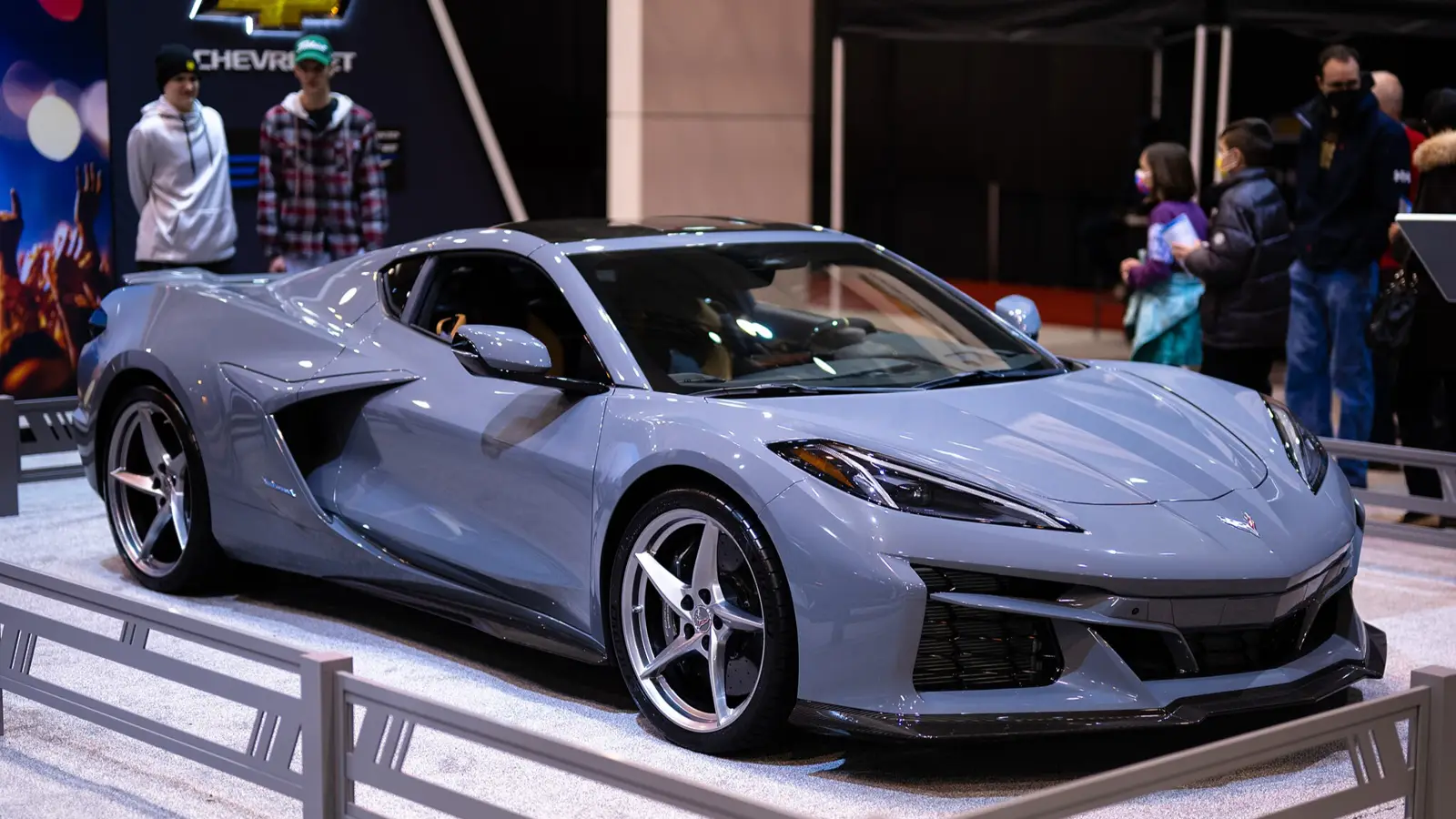
The Corvette E-Ray presents itself as a performance statement built around bold ambition. A hybrid sports car powered by a naturally aspirated V8 and all-wheel drive, it promises acceleration figures that rival far more exotic machinery. Yet beyond the headline numbers lies a more nuanced story shaped by real-world testing.
At its core, the E-Ray combines a 6.2-litre naturally aspirated V8 driving the rear wheels through an eight-speed dual-clutch transmission with an electric motor mounted on the front axle. This configuration delivers a combined output of 644 horsepower and 778 Nm of torque, fundamentally altering how the car responds to throttle inputs.
Official performance figures claim a 0–60 mph sprint in 2.5 seconds and a quarter-mile time of 10.5 seconds. Repeated real-world measurements, however, consistently recorded acceleration closer to 2.9 seconds to 60 mph and quarter-mile runs of around 11 seconds. These results remained largely unchanged despite extensive adjustments to launch control settings, including wheel slip and launch RPM.
.jpg)
The explanation for this discrepancy lies in measurement methodology rather than mechanical limitation. The manufacturer relies on a one-foot rollout, a timing convention rooted in drag racing where the clock starts after the car has already begun moving. When measured from a true standstill using GPS-based equipment, the observed figures align precisely with the E-Ray’s real-world performance.
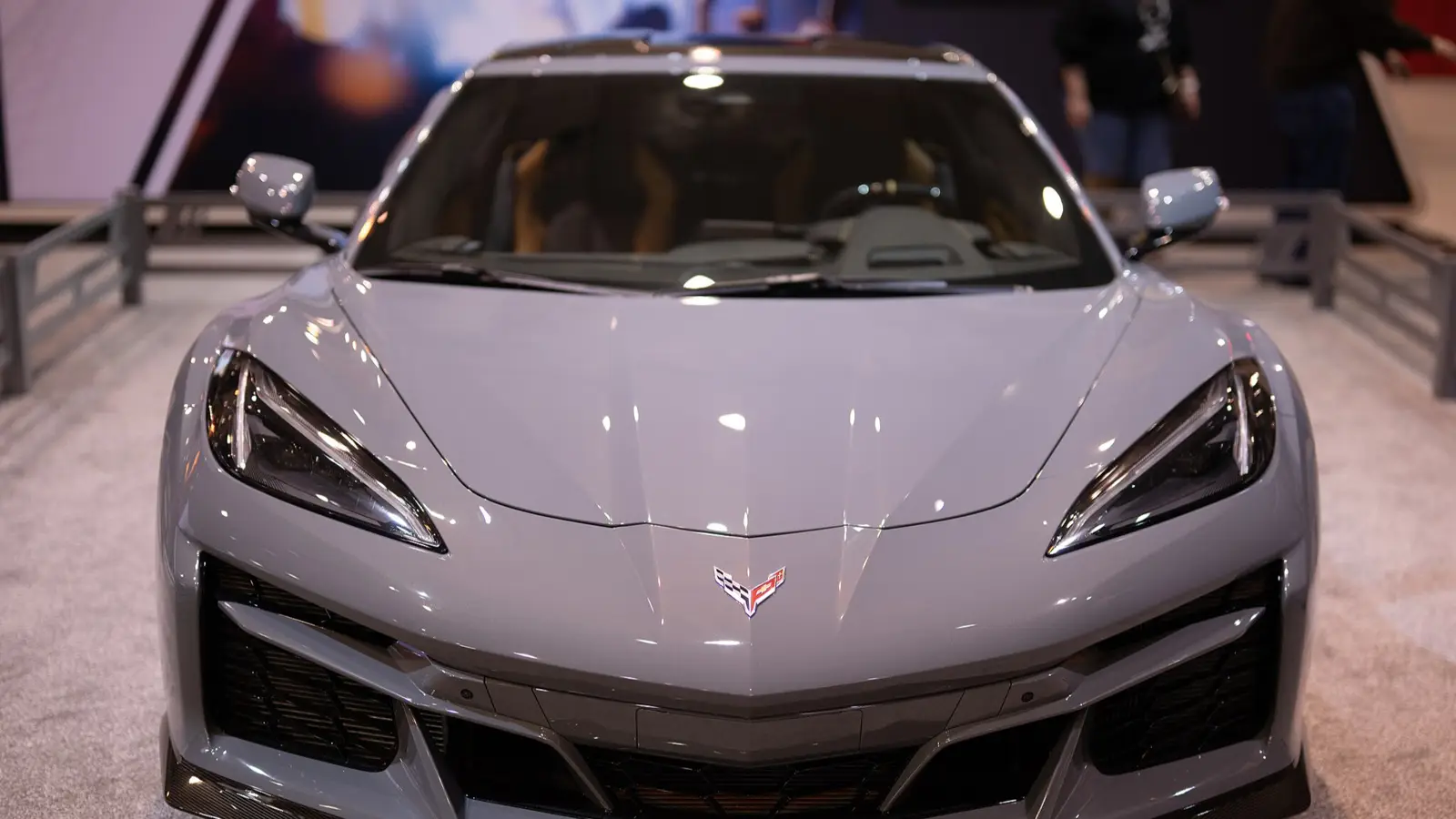
Inside, the E-Ray feels solid and carefully assembled. Leather upholstery dominates the cabin, with alternative materials available as an option. The optional competition seats provide strong lateral support at a relatively modest cost. The cockpit layout is unconventional, with a prominent central spine separating driver and passenger and a vertically arranged bank of physical climate controls.
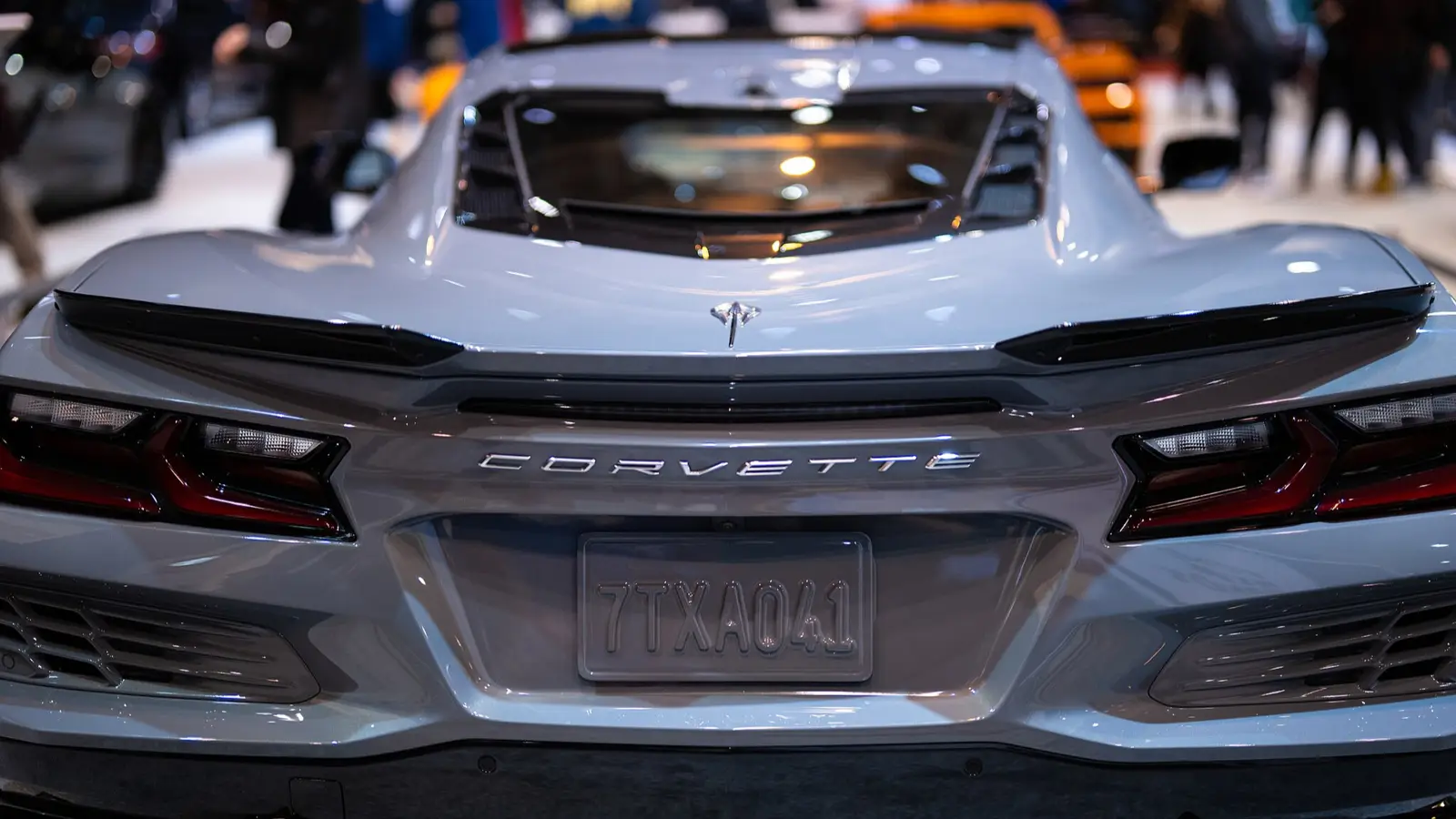
Practicality is limited. Total luggage capacity across the front and rear compartments measures 355 litres, though the front storage area is reduced due to the hybrid system. Storing the removable roof panel in the rear compartment effectively eliminates usable cargo space and introduces compromises in wet conditions.
On the road, the E-Ray delivers immediate and relentless acceleration. The front-mounted electric motor enhances traction dramatically, allowing the car to deploy its power cleanly and confidently. Despite carrying nearly 200 kilograms more than the standard Stingray, the chassis remains composed, and low-rev response is notably strong for a naturally aspirated V8.
.jpg)
In firmer suspension modes, the ride can become unsettled, and steering feedback may feel overly pronounced. Braking performance, however, is reassuring. Equipped with carbon-ceramic Brembo brakes, the E-Ray comes to a stop from 100 mph in 88 metres, an appropriate result given its weight and performance level.
The Corvette E-Ray is a technically ambitious machine. It is fast, secure, and remarkably easy to drive quickly. Yet that capability comes at the cost of additional mass and complexity. In contrast, the standard Stingray offers a lighter and more emotionally direct experience. The E-Ray stands as a showcase of what modern engineering can achieve when electrification is woven into a classic performance formula.
Ethan Rowden
2025, Dec 24 00:30