
Can Diesel Engines Be Started in Winter Without Preheating?
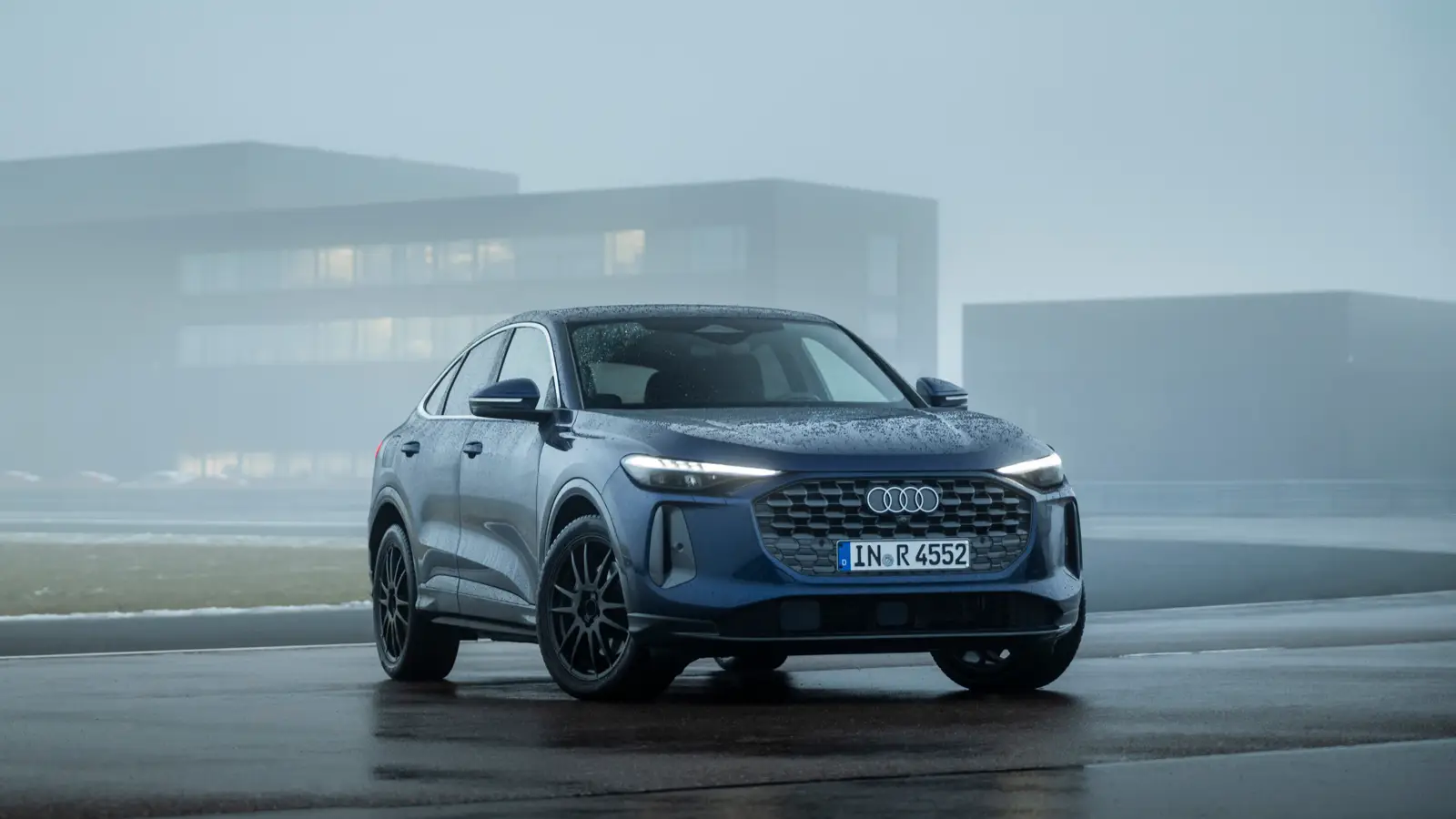
Explore whether diesel engines really need preheating in winter. Based on recent English and German sources, this article explains fuel behavior, glow plugs, and cold starts.
The idea that a diesel engine cannot be started in winter without preheating is one of the most persistent automotive myths. It is repeated so often that it sounds almost self-evident, yet recent manuals and automotive reports describe a far more nuanced reality.
The main problem with this belief is its simplicity. It reduces all cold-weather diesel issues to the absence of an engine heater, while current sources show that winter starting problems usually result from a combination of factors, with preheating being only one of them.
The first and most critical factor is fuel. Diesel fuel contains paraffin, and multiple German automotive sources explain that wax crystals can begin to form already around 0 °C. These particles may not always be visible, but they can restrict fuel flow and clog the fuel filter. Even winter diesel produced to DIN EN 590 standards can show reduced flow characteristics under certain conditions, especially if remnants of summer fuel remain in the tank or the vehicle stands unused for long periods.
This is why many winter no-start situations are not caused by the engine itself, but by fuel that can no longer pass through the filter properly. German automobile clubs and technical publications consistently describe fuel waxing as a primary reason why diesel vehicles fail to start in cold weather.
The second important element is the cold-start system. Diesel engines rely on compression rather than spark ignition, and at low temperatures the combustion chamber requires additional heat. This is provided by glow plugs and the wait-to-start phase before cranking. Recent technical articles stress that skipping this warm-up phase, or having a malfunction in the glow plug system, can make cold starts difficult even when the fuel itself is suitable. Typical symptoms include extended cranking, rough initial running, or complete failure to start when cold.
Only after these factors does engine preheating enter the discussion. In current official documentation, block heaters are described as a starting aid rather than a mandatory requirement. For example, recent Ford owner manuals recommend engine block heater use primarily at temperatures below −18 °C, where it helps improve cold-start performance, reduces mechanical stress, and shortens warm-up time. At the same time, these manuals clearly define limits on operating time and energy use.
Crucially, preheating does not solve fuel-related problems. If diesel fuel has already thickened or the filter is blocked by wax particles, an engine connected to a block heater may still fail to start. This reinforces a key point found across multiple sources: winter diesel issues rarely have a single cause.
In the end, the claim that a diesel engine cannot be started in winter without preheating proves to be an oversimplification. Recent English and German sources show that successful cold starts depend primarily on correct seasonal fuel, a properly functioning glow plug system, and adherence to cold-weather operating recommendations. Engine preheating remains a useful and sometimes strongly recommended tool in severe cold, but it is neither a universal remedy nor an absolute requirement for every winter start.
Allen Garwin
2025, Dec 24 11:21