
European Automotive Market 2026: Forecasts Under Strain
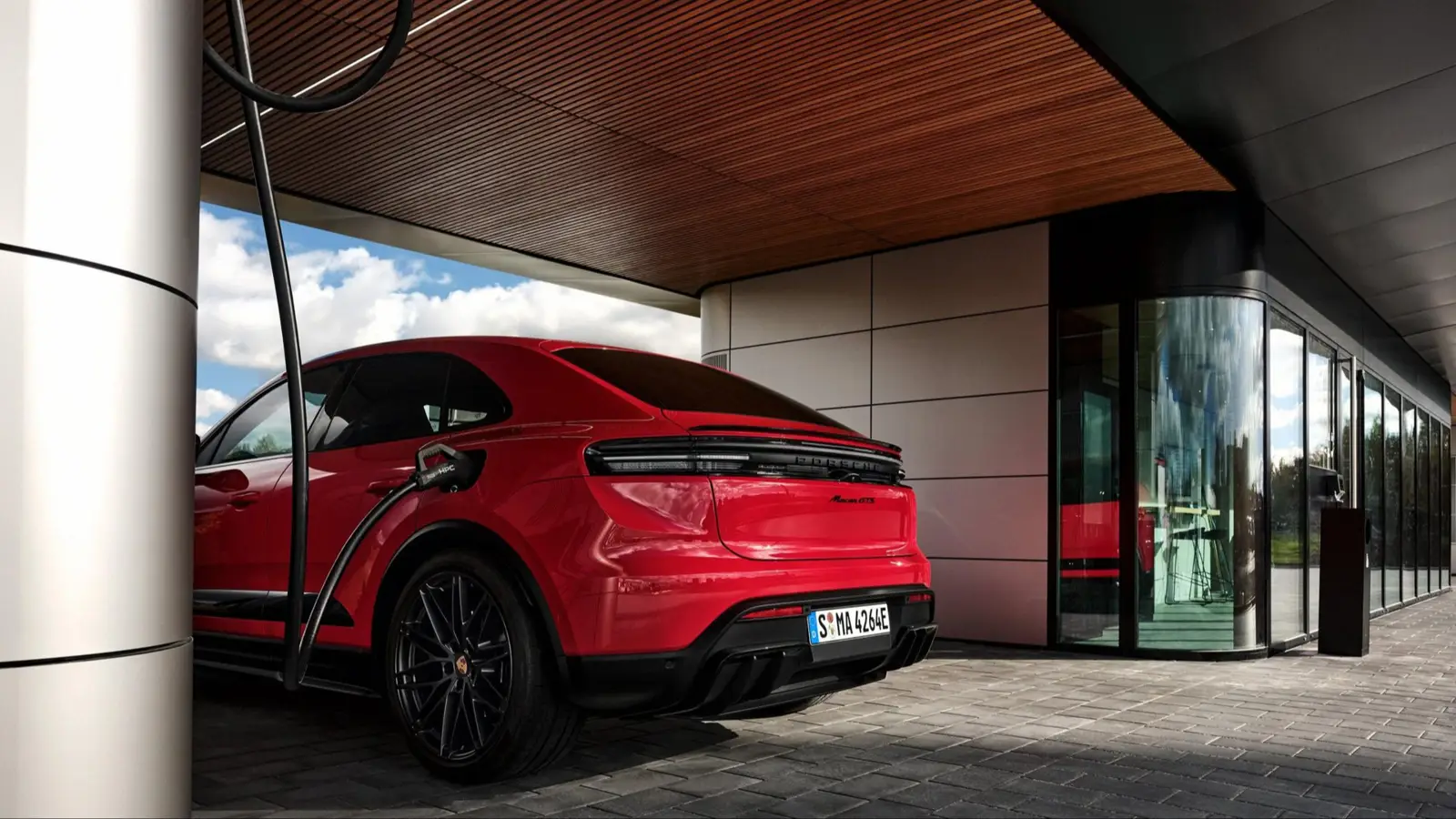
Read an in-depth outlook on the European car market in 2026, examining production growth, demand risks, electrification limits and rising competition.
The European automotive market is heading into 2026 with little margin for error. While forecasts point to a rebound in production, the underlying picture reveals a fragile balance between constrained demand, intensifying competition, and a prolonged transition toward electrification.
Projections from Oxford Economics and the ECG industry outlook suggest that vehicle production in Europe could rise by around 2–2.5% in 2026. Yet this increase appears more like a technical rebound after weak years than the start of a stable growth cycle. Manufacturing capacity is recovering faster than end-market demand, raising the risk of renewed imbalance between supply and sales.
On the demand side, uncertainty remains pronounced. Even in Germany, Europe’s largest car market, the forecast of roughly 2.9 million new registrations in 2026 is closely tied to external conditions such as government incentives, electricity prices, and charging infrastructure rollout. At the pan-European level, the absence of publicly available consolidated sales forecasts highlights the lack of confidence, as major analysts keep detailed projections behind closed, commercial models.
The structure of demand is proving to be one of the market’s weakest points. Data from ACEA shows a worrying signal: the share of battery-electric vehicles in the EU has declined for the first time, despite a broader and more diverse model range. This suggests that the bottleneck lies not in product availability but in consumer readiness. The continued growth of hybrids indicates that many buyers are postponing a full switch to BEVs.
Competitive pressure is set to intensify further. Chinese automakers are accelerating localisation in Europe to mitigate trade barriers and reduce costs. BYD’s plans to start production in Turkey in 2026, alongside capacity expansion in Hungary, point to a tougher pricing environment ahead. Established manufacturers are responding with aggressive product strategies, with Toyota alone planning to introduce nine battery-electric models in Europe across 2025 and 2026.
As a result, the European car market in 2026 looks less like a story of confident recovery and more like a high-risk transition phase. Production growth is outpacing demand, electrification is running into affordability limits, and competition is intensifying under economic and political constraints. Any disruption—from delayed infrastructure to shifting subsidies—could quickly push the market back from recovery into renewed pressure.
Allen Garwin
2025, Dec 24 21:32