
The History of Lexus: From Early Development to Global Brand
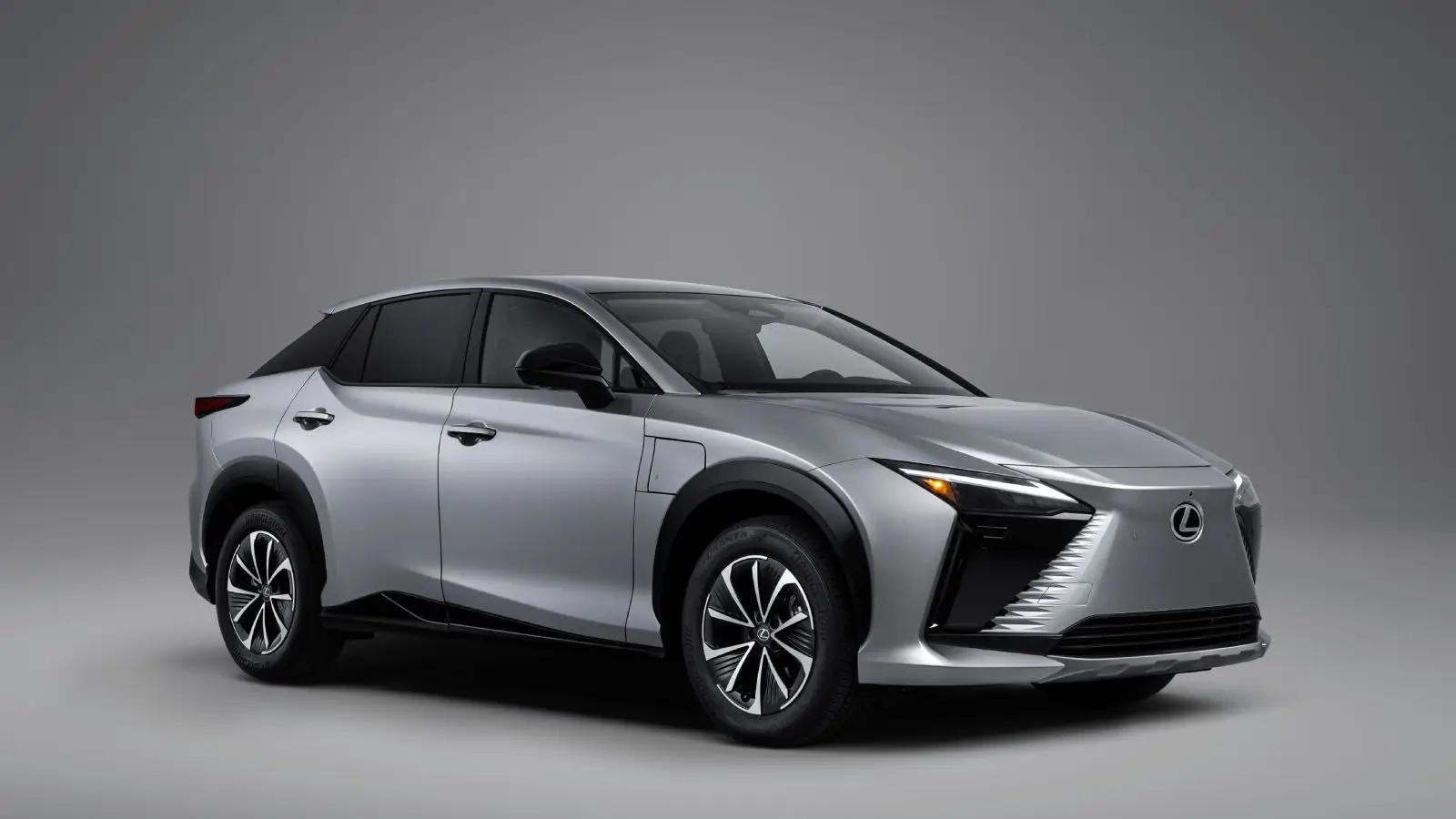
Explore the history of Lexus, from its origins inside Toyota to its launch in 1989, hybrid milestones, design philosophy, and evolution into a global luxury brand.
The history of Lexus is a rare example of how a major automaker deliberately stepped beyond its established identity to build a premium brand from the ground up. By the early 1980s, Toyota was already synonymous with reliability and engineering discipline, yet the luxury segment remained dominated by European and American marques. The response was an ambitious internal initiative known inside the company as F1 (Flagship One) and Circle F.
Development of the flagship sedan began in the first half of the 1980s under strict confidentiality. Thousands of engineers, designers, and technicians were involved, working toward a clear objective: to create a luxury car capable of competing with established leaders not through heritage, but through engineering excellence, ride comfort, refinement, and build quality. This philosophy would later become the foundation of the Lexus brand.


The public debut of Lexus took place in the United States in 1989. Two sedans entered the market simultaneously: the flagship LS 400 and the more accessible ES 250. This dual launch immediately signaled Lexus’s strategy — the brand was not conceived as a single halo project, but as a fully structured premium lineup supported by a clear value message centered on the pursuit of perfection.


The early 1990s marked a rapid consolidation of reputation. According to Toyota’s historical materials, Lexus ranked first in the J.D. Power Initial Quality Study as early as 1990. This recognition reinforced the perception of Lexus as a benchmark for quality and reliability, particularly in the highly competitive U.S. luxury market.
As confidence in the brand grew, so did its product range. Lexus gradually expanded beyond traditional sedans and began exploring new vehicle formats. A major milestone came with the introduction of the RX, a model that in the late 1990s effectively shaped the luxury crossover segment. The RX demonstrated that premium positioning could coexist with versatility and everyday usability without sacrificing status.

_China.jpg)
Hybrid technology became another defining pillar of Lexus’s evolution. In April 2005, the RX 400h went on sale — officially described by Lexus and Toyota as the world’s first luxury hybrid vehicle. This was not a short-term experiment: hybrids steadily developed into one of the brand’s core technological strengths and a key element of its engineering and environmental identity.
The year 2005 also marked a turning point for Lexus in its home market. That year, Lexus was officially launched as a standalone brand in Japan, complete with its own dealer network. Until then, several Lexus models had been sold domestically under the Toyota name, making this step the final stage in establishing Lexus as a fully global luxury marque.
Design identity followed a similarly deliberate path. In 2003, Lexus officially introduced its design philosophy known as L-finesse. Built around principles of simplicity, anticipation, and elegance, this visual language provided a cohesive aesthetic framework and significantly strengthened brand recognition in the years that followed.


Performance became the next frontier. The launch of the IS F in 2007 marked the beginning of Lexus’s F performance line, challenging the brand’s reputation as purely comfort-focused. This trajectory reached its peak with the LFA, officially unveiled in 2009. Limited to just 500 units, the LFA was not intended as a volume product but as a technical statement — a showcase of Lexus’s engineering ambition.This evolutionary logic is also reflected in the Lexus LFA Concept, an all-electric BEV sports car unveiled in 2025 at Woven City in Japan, which Lexus directly links to GR GT and GR GT3 development and positions as a carrier of core engineering principles and brand philosophy into the electric era.
The evolution of Lexus reflects a methodical journey from an internal engineering experiment to a mature global luxury brand. Rather than rapid reinvention, Lexus advanced through carefully defined stages, reinforcing each step with quality, technology, and a precise understanding of its role in the premium automotive landscape. This structured progression is what ultimately distinguishes Lexus among modern luxury automakers.
Ethan Rowden
2025, Dec 24 23:28