
British Racing Green: Origins, Use in Motorsport and Cars
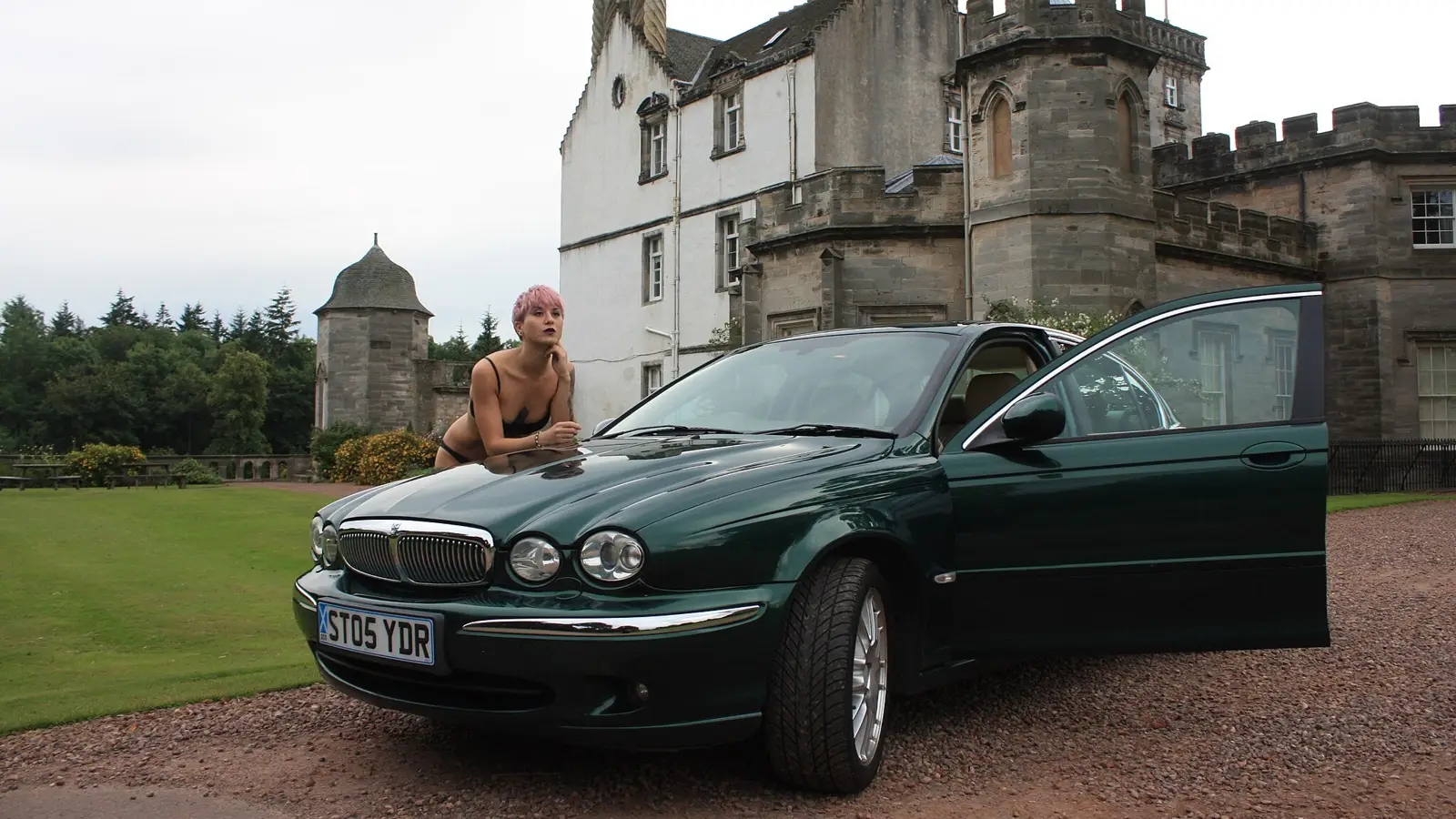

Explore the history of British Racing Green, its origins in motorsport, use by iconic car brands, and why the colour still matters today. Read the full story.
British Racing Green is more than a colour. It is a cultural marker, a historical reference point, and a rare example of how a shade becomes part of national identity. Despite its widespread use, British Racing Green has never been a single, precisely defined colour — and that ambiguity is one of its defining traits.
Historically, British Racing Green emerged as the national racing colour of Great Britain in the early twentieth century. Its origin is most commonly linked to the Gordon Bennett Cup of 1903, an international race that took place in Ireland due to restrictions on road racing in the United Kingdom. As a gesture of respect to the host country, British Napier cars were painted green, a colour associated with the Irish shamrock. That decision laid the foundation for green becoming permanently associated with British racing cars.

.jpg)
From the beginning, British Racing Green was never a single shade. Sources consistently emphasise that it referred to a range of deep, dark greens rather than a fixed formula. Early examples differed noticeably from later ones, and over time the colour generally became darker. While some colour references assign British Racing Green a digital value, such as HEX #004225, this represents a descriptive convention rather than an official or universal standard.
By the mid-twentieth century, British Racing Green had become a visual signature of British motorsport. Various interpretations of the colour appeared on cars from Aston Martin, Vanwall, Cooper, Lotus, and BRM. What united these cars was not an identical hue, but participation in a shared tradition. As sponsorship liveries began to dominate international racing, national colours gradually lost their prominence, and British Racing Green faded from mandatory use on race cars.
It never disappeared entirely. In later decades, green returned in selected contexts, including Jaguar Racing in 2000, Bentley’s Le Mans-winning Speed 8 in the early 2000s, and modern Aston Martin racing projects. In these cases, the colour functioned less as a rule and more as a deliberate reference to heritage.


On road cars, British Racing Green evolved into a symbol of classic British style. Each manufacturer developed its own interpretations, sometimes producing dozens of different shades under the same name. Archive and community sources indicate that even within a single brand, the colour could vary significantly by year, with precise paint codes often traceable only through factory documentation for individual vehicles. No comprehensive official catalogue of all British Racing Green applications exists.
The question of ownership adds another layer of complexity. . The colour, as a shade, does not belong to any one manufacturer.
Today, interest in British Racing Green is again visible. Recent publications and industry signals point to renewed attention toward dark green finishes, often framed as a nod to racing heritage. This does not suggest a return of national colours as formal regulations, but it does indicate that British Racing Green continues to function as a symbol of history, continuity, and identity.
British Racing Green remains a living concept. It is not defined by a single code or formula, but by accumulated meaning. More than a century after its first appearance, that meaning still resonates.
Ethan Rowden
2025, Dec 26 11:51