
Toyoda Gosei launches weatherstrips with higher recycled rubber
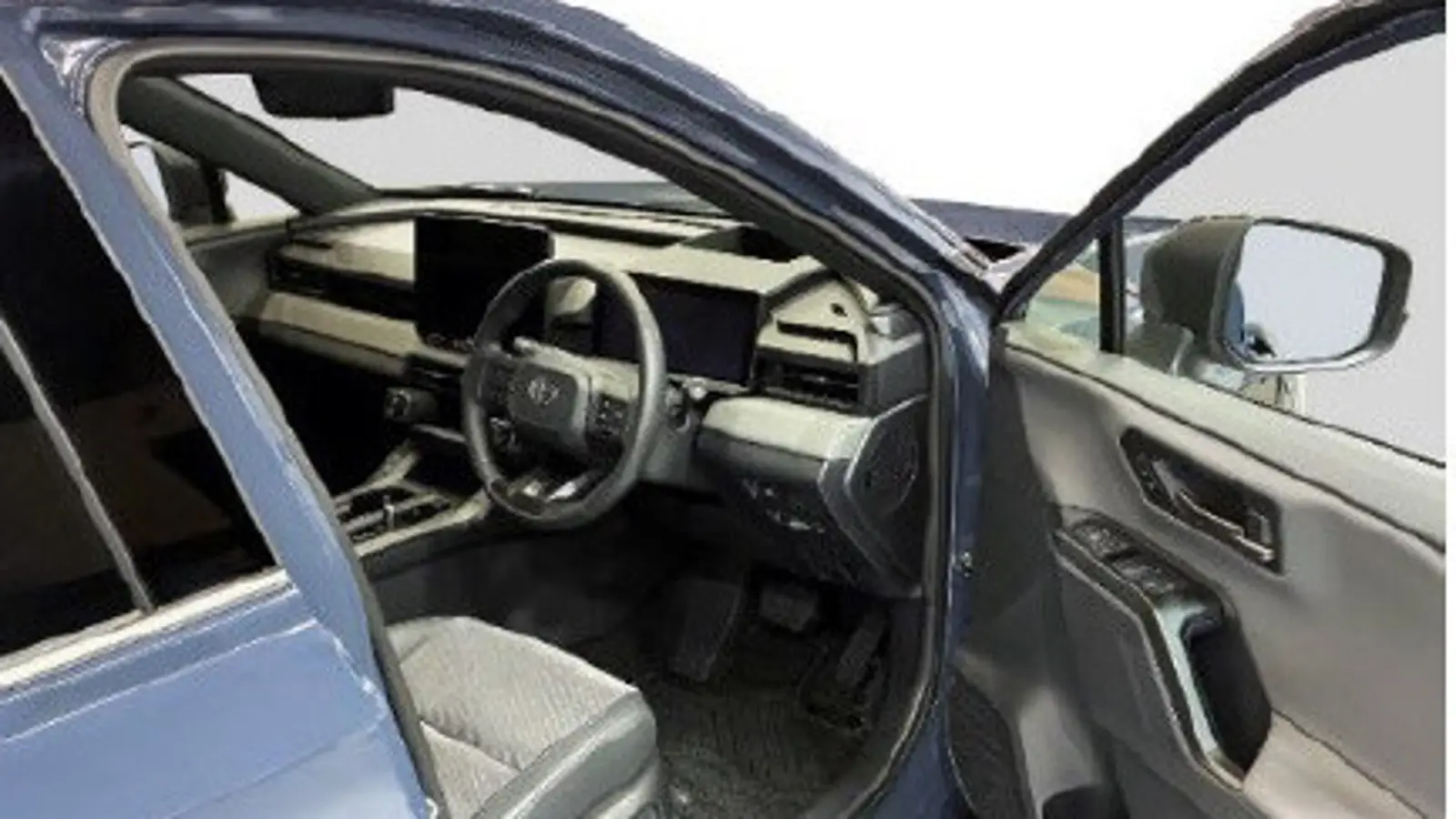
Toyoda Gosei reports the launch of automotive weatherstrips using 20% recycled rubber, debuting on the new Toyota RAV4 and supporting circular material use.
Toyoda Gosei, a Toyota Group supplier specialising in rubber and plastic automotive components, has brought to market serial production weatherstrips with a higher share of recycled rubber. The company reports that the new parts contain 20% recycled material, a significant increase from the previous level of less than 5%. The components will first be used on the new Toyota RAV4.
Rubber has long been one of the most challenging materials to recycle in the automotive industry. Unlike metals or plastics, it requires devulcanisation, a process that breaks the sulfur bonds responsible for elasticity. At the same time, other chemical bonds can be damaged, leading to reduced strength and residual odours. As a result, waste rubber has traditionally been incinerated for energy recovery rather than reused in new products.
Toyoda Gosei says that continuous improvements to its proprietary devulcanisation technology have improved the quality of regenerated rubber, making it suitable for use in mass-produced automotive parts. This has enabled the company to raise the recycled content in weatherstrips to 20% and introduce the material on the new RAV4.
The development has been recognised by Toyota Motor through a Project Award, underlining its relevance within the automaker’s supply chain. Production is carried out at Toyoda Gosei’s Morimachi plant, which holds ISCC PLUS certification and applies the mass balance approach to verify the use of recycled and sustainable materials.
Looking ahead, Toyoda Gosei plans to extend the technology to other synthetic rubber products, such as rubber hoses, and ultimately to natural rubber, which is used in much larger volumes across the automotive sector. The company also states that it is working with automakers and partners to establish a circular system for collecting and regenerating rubber from end-of-life vehicles.
As pressure grows on the automotive industry to cut emissions and improve resource efficiency, these developments suggest that recycled rubber could move from a marginal solution toward wider adoption in series-production vehicles.
Allen Garwin
2025, Dec 26 23:39