
Who Created Hybrid Cars Long Before the Toyota Prius
_Plug-in_Hybrid_IMG_9905.jpg)
Learn how hybrid cars evolved before Toyota Prius, from Ferdinand Porsche’s early designs to US and European experiments documented by manufacturers sources.
The history of hybrid vehicles began long before the name Prius became synonymous with environmentally friendly transport. Contrary to popular belief, the idea of combining a gasoline engine with electric propulsion did not emerge at the end of the twentieth century, but at the very dawn of automotive engineering — as a response to very practical technical challenges.
Hybrid as a necessary solution in the early 20th century
At the end of the nineteenth and the beginning of the twentieth centuries, engineers were simultaneously experimenting with steam-powered, gasoline, and electric vehicles. Electric cars already existed, but their main drawback was obvious: batteries frequently failed, had limited capacity, and did not allow for long-distance travel. It was in this context that Ferdinand Porsche proposed a solution that today would unquestionably be called a hybrid.
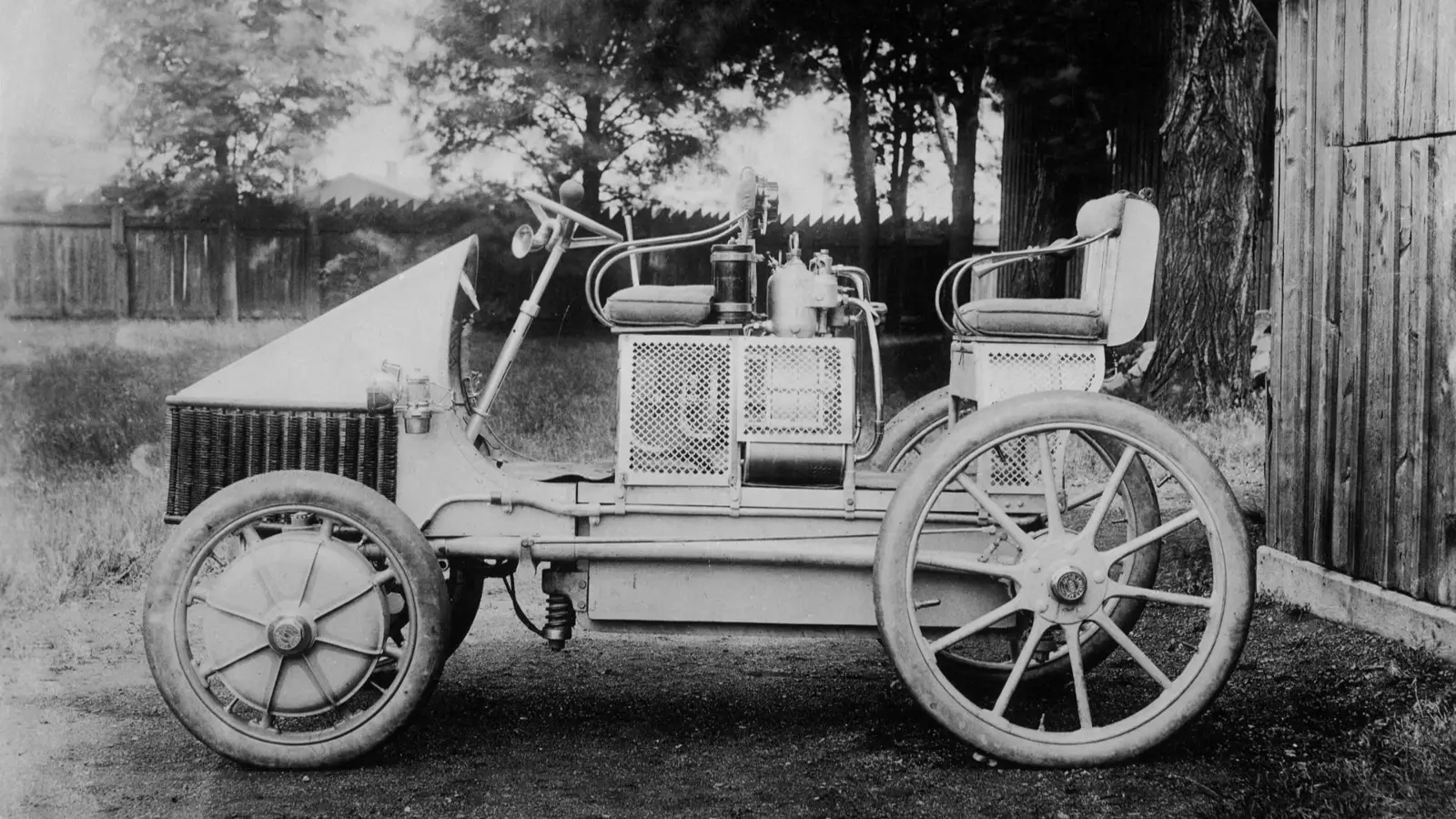
The Lohner-Porsche Semper Vivus, followed by the more developed Lohner-Porsche Mixte, combined an internal combustion engine with an electric drivetrain. The gasoline engine did not drive the wheels directly but functioned as a generator, supplying electricity to motors installed in the wheel hubs. According to Porsche, this system became the basis for series-produced vehicles starting in 1901, with around 300 cars built using this configuration. For its time, this was not an experiment but a genuine attempt to apply a new technology on a meaningful scale.
American experiments: hybrids as a compromise
The next notable wave of hybrid vehicles appeared in the United States during the 1910s. The Woods Dual Power was an attempt by Woods Motor Vehicle Company to retain market relevance by combining electric and gasoline propulsion. The car could operate on electric power at low speeds and engage the gasoline engine when required. Despite its technical ambition and solutions that resemble modern hybrids, the project proved commercially unsuccessful: both the model and the company disappeared by 1918.


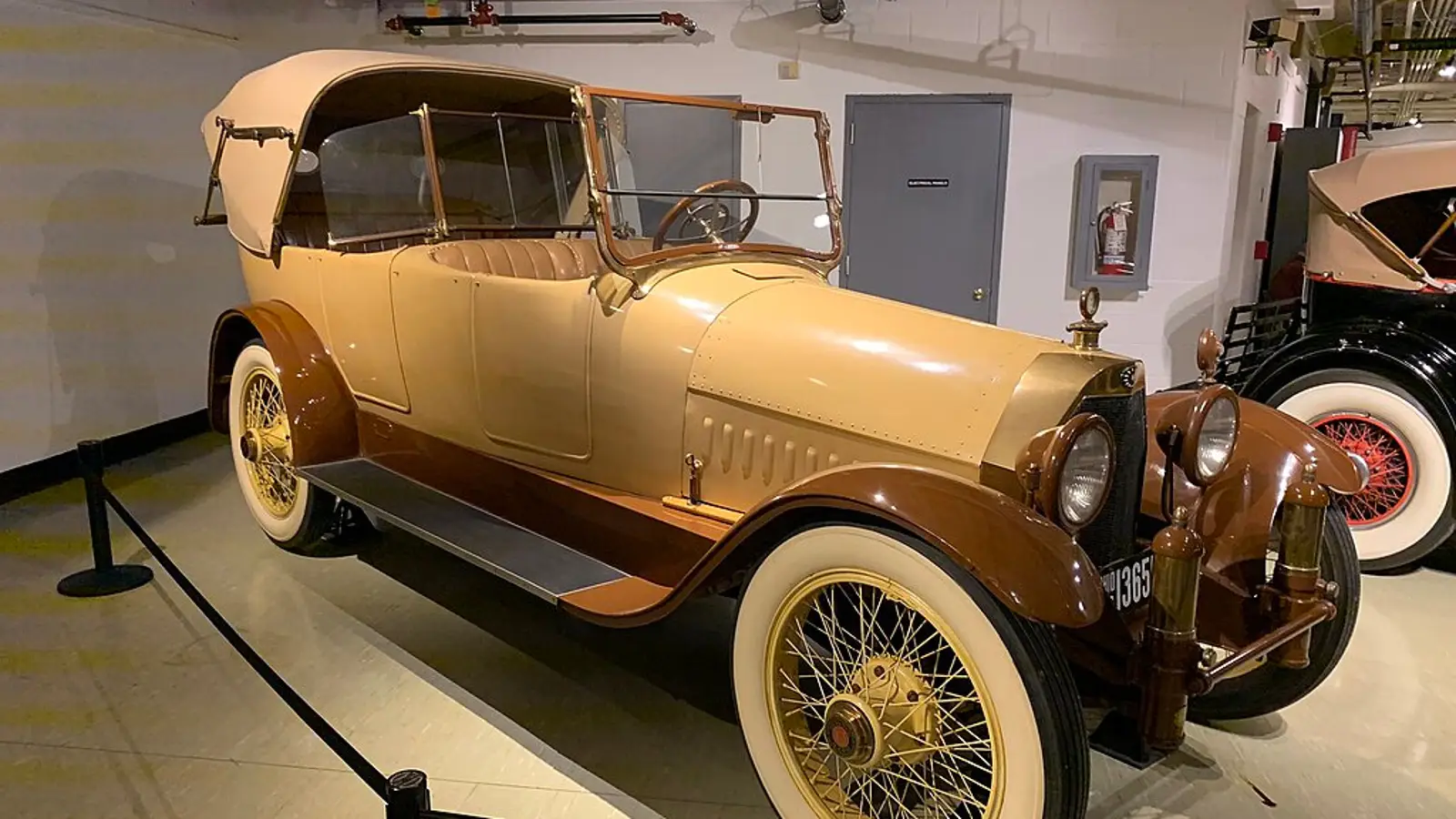
At the same time, an even more ambitious project existed — Owen Magnetic. Produced between 1915 and 1922, this luxury automobile used an electromagnetic transmission with no mechanical connection between the engine and the wheels. The system effectively represented an early example of a series hybrid with automatic operation. However, the complexity and high cost of the technology confined these cars to a niche market, with fewer than one thousand units produced.
A long pause and the return of interest
After the 1920s, interest in hybrid vehicles largely faded. Improvements in gasoline engines and declining fuel prices made complex hybrid systems economically impractical. The idea resurfaced only in the second half of the twentieth century, primarily in the form of research projects and concept vehicles.
In 1969, General Motors introduced the Stir-Lec I, an experimental hybrid in which an electric motor was powered by batteries, while a compact Stirling engine recharged them during driving. The project never reached production but served as an important engineering test platform.
In the 1980s, European manufacturers returned to the hybrid theme. Volkswagen presented its first hybrid Golf concept in 1983, followed in 1987 by a more advanced version combining a diesel engine with an electric motor. Around the same time, Audi introduced the Audi duo, a technology prototype based on the Audi 100 Avant, featuring a gasoline engine driving the front axle and an electric motor at the rear. These vehicles were not intended for mass production but clearly demonstrated that hybrid technology was once again viewed as promising.
Why Prius changed everything

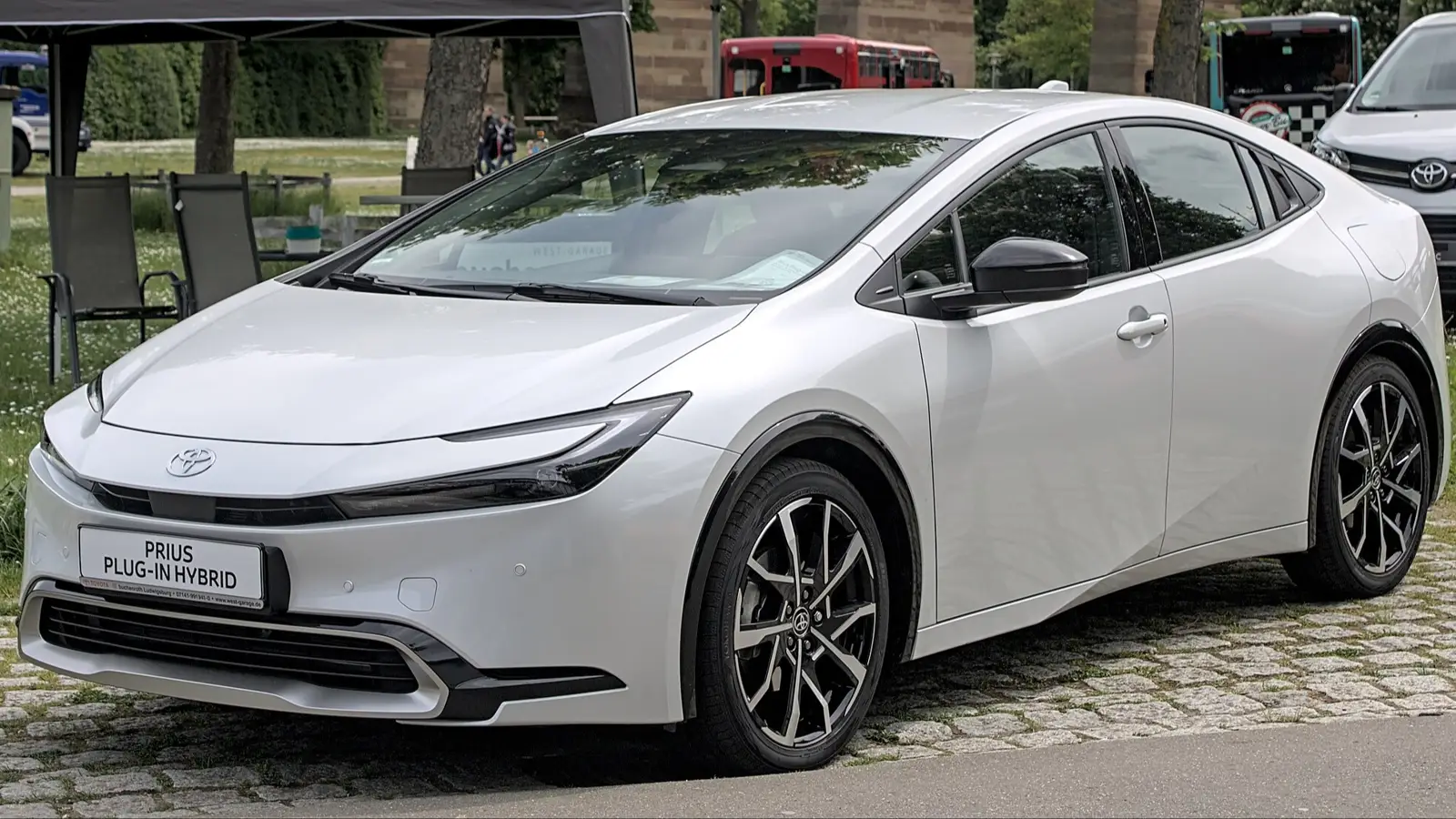
When Toyota presented the Prius concept at the Tokyo Motor Show in 1995, hybrid technology already had nearly a century of history behind it. However, Toyota achieved what its predecessors had not: it refined a complex system into a reliable, series-produced, and relatively affordable vehicle.
In 1997, the Prius became the world’s first mass-produced hybrid passenger car. Unlike earlier hybrids, which were engineering compromises or experimental platforms, Prius was designed from the outset as a production vehicle. This distinction — not the invention of the technology itself, but its successful integration into mass manufacturing — became the decisive factor.
Looking back — and ahead
The history of hybrid vehicles clearly shows that Prius was not the beginning, but the culmination of a long journey. From Ferdinand Porsche’s Semper Vivus to American and European experiments of the twentieth century, the hybrid idea repeatedly emerged, disappeared, and returned. Each time for different reasons, but always with the same goal: to make the automobile more versatile.
Today, against the backdrop of electrification and the transition to new energy sources, early hybrids no longer appear as curiosities but as logical predecessors of modern solutions. It is possible that in a few decades, today’s technologies will be viewed in the same way — as another important stage in a long and far from linear history of the automobile.
Allen Garwin
2025, Dec 29 14:59