
How to Choose the Right Winter Windshield Wiper Blades
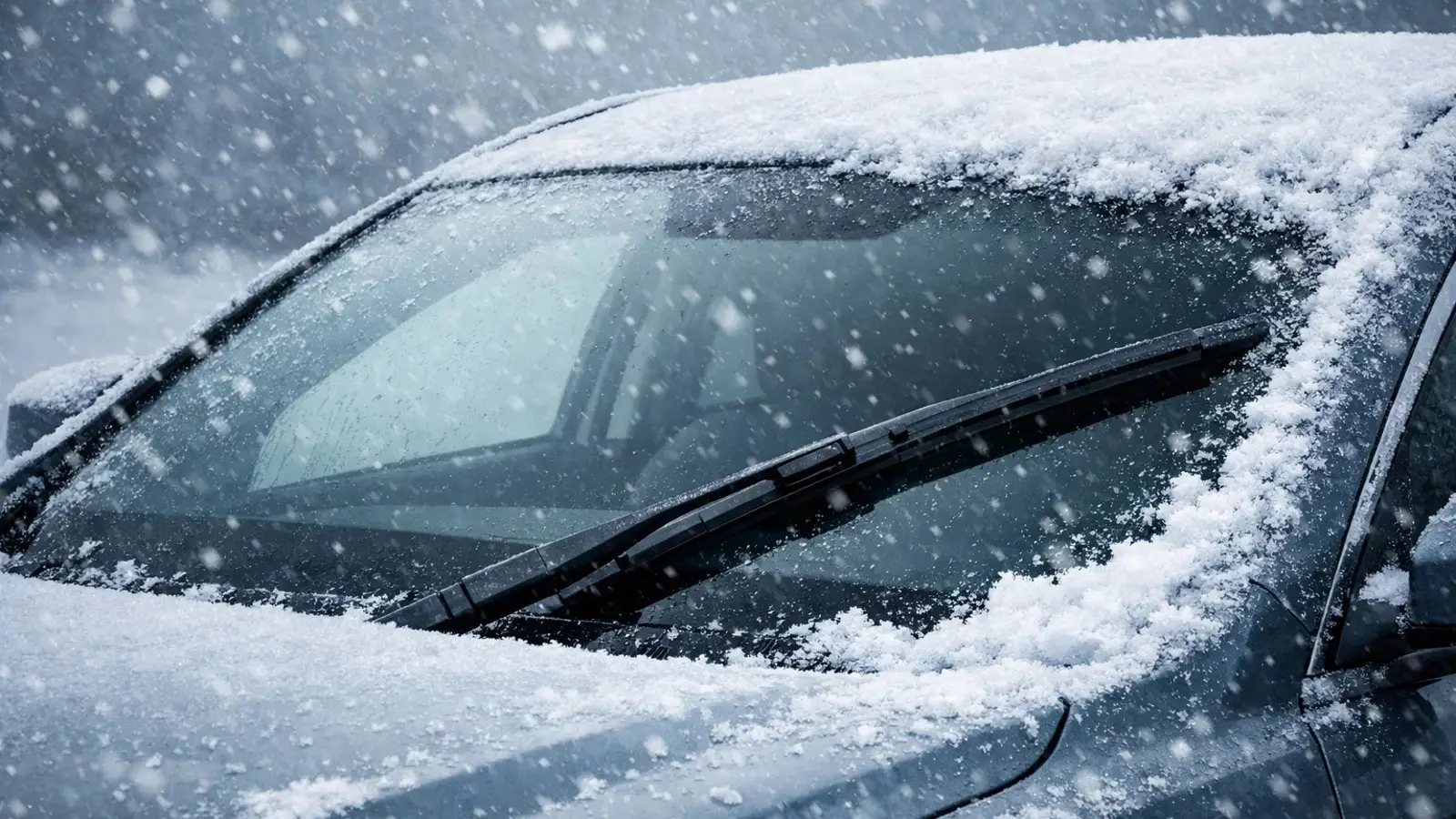
Learn how to choose winter windshield wiper blades, compare designs, sizes, and materials, and improve visibility in snow and ice. Read the guide.
In winter, windshield wipers suddenly stop being a minor detail. They directly affect how clearly a driver can see the road when snow, ice crystals, and road grime quickly turn the windshield into a blurred surface. This is why road safety authorities and automobile clubs consistently include wiper inspection and replacement in their basic winter preparation checklists.
Seasonal recommendations emphasize that wipers should be checked before temperatures drop, and in regions with frequent snow and ice, more robust winter or heavy-duty blades should be considered. The issue goes beyond comfort: reduced visibility is closely linked to an increased risk of accidents.
When standard wipers are no longer enough
The first warning sign is cleaning performance. Streaks, smears, missed areas, or audible squeaking indicate that the blades are no longer working effectively. Both English and German automotive sources agree that these symptoms justify replacement, even if the blades are less than a year old. Cold weather accelerates wear, as rubber becomes stiffer and ice and dirt damage the wiping edge more quickly.
For drivers in areas with regular snowfall and icing, expert guidance points toward winter-specific or heavy-duty wiper blades designed for low-temperature operation.
Why design matters in winter
There are several main types of windshield wipers, and winter conditions tend to amplify their differences.
Conventional frame-style wipers rely on a metal structure with multiple pressure points. In cold weather, their exposed framework can collect snow and ice, reducing flexibility and even contact with the glass.
Flat or aero wipers eliminate the traditional frame. Pressure is distributed through internal tensioning elements, and an aerodynamic profile helps the blade remain stable at higher speeds. This type of design appears more frequently in recent tests and evaluations focused on winter performance.
Hybrid wipers combine elements of both designs, aiming to balance structural support with a more enclosed, streamlined shape.
What defines a “winter” wiper blade
Winter blades differ not only in shape but also in materials. Automotive organizations highlight the importance of rubber compounds that remain flexible at sub-zero temperatures and protective coverings that reduce the buildup of snow and ice on moving parts. At the same time, it is emphasized that winter blades are not a complete solution on their own—they reduce common cold-weather issues but still require correct use.
Correct size and mounting: common pitfalls
Even a high-quality blade will underperform if it is not properly matched to the vehicle. Sources stress that driver-side and passenger-side blades often differ in length, and rear wipers typically use a separate size altogether. When measuring, the full blade length from end to end should be used, not just the rubber edge. If measurements fall between standard sizes, choosing the smaller option is generally recommended.
Mounting compatibility is equally important. Multiple connector types exist, and a blade must both match the arm and lock securely into place. Installation guides note that a clear clicking sound usually confirms proper attachment.
Safe installation practices
Replacing wipers requires care. The spring-loaded wiper arm can snap back and strike the windshield, potentially causing cracks. Using a service position if available and protecting the glass with a cloth during installation are commonly advised precautions.
Winter use: avoiding premature damage
Many winter-related wiper failures are caused by improper use rather than poor design. Experts strongly advise against using wipers to clear heavy snow, as frozen blades or excessive load can damage both the rubber and the drive mechanism. Pulling frozen blades free by force or pouring hot water on the windshield is also discouraged due to the risk of tearing rubber or cracking glass.
Instead, gradual defrosting, patience, and the use of a scraper are recommended. Some drivers lift the wipers overnight or cover the windshield when snowfall is expected.
The role of washer fluid in cold weather
Winter washer fluid is another key element. Sources recommend fluids with antifreeze and de-icing properties. German automotive guidance warns that mixtures that are too weak can freeze within the system, while overly concentrated solutions may clean poorly and leave residue on the glass. Protection down to approximately −20 °C is often cited as a practical balance, even for vehicles with heated washer systems.
How often wipers should be replaced
While annual replacement is frequently mentioned, experts emphasize that actual condition matters more than the calendar. Streaking, noise, and reduced cleaning effectiveness are sufficient reasons to install new blades, regardless of age. Winter conditions simply make these shortcomings more noticeable and more critical.
Ultimately, choosing the right winter wiper blades involves matching the correct design, size, and connector, and combining that choice with proper winter use. In cold conditions, this small component plays a much larger role in maintaining visibility and safety on the road.
Allen Garwin
2025, Dec 29 17:15