
Tesla Cybertruck Battery Supplier Faces $2.9 Billion Contract Write-Down
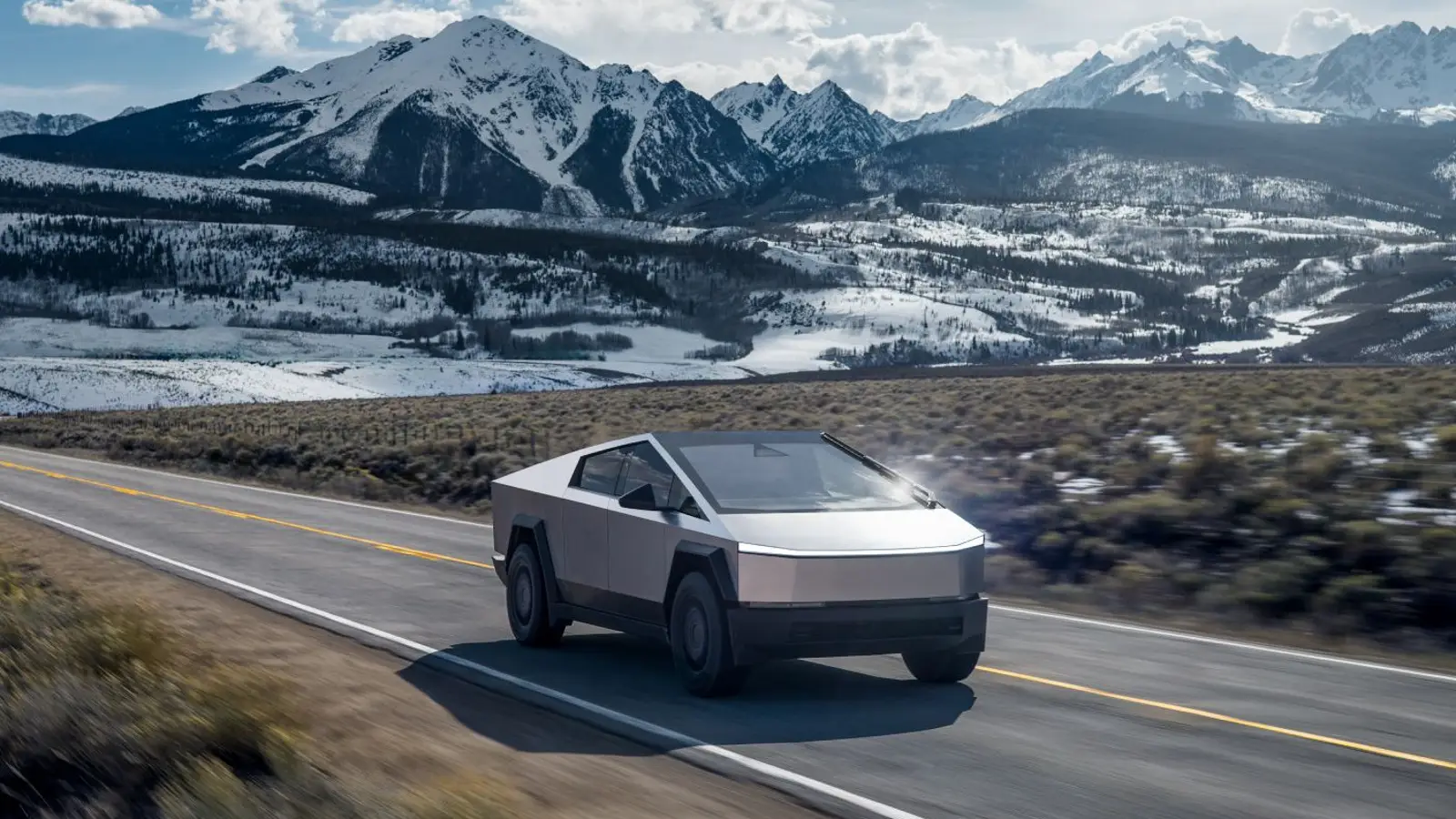
Reuters reports that Tesla’s Cybertruck battery supplier L&F wrote down a $2.9 billion contract amid weaker demand and challenges around Tesla’s 4680 battery program. Read more.
South Korean battery materials supplier L&F Co. has taken a major financial hit after Tesla sharply revised a supply contract tied to its 4680 battery cells for the Cybertruck. What was once a deal valued at roughly $2.9 billion was almost entirely written down, ultimately ending with revenue of less than $10,000.
The agreement covered deliveries of high-nickel cathode materials intended for Tesla’s 4680 cylindrical cells, a cornerstone of the company’s battery strategy unveiled at Battery Day. The larger-format cells were designed to cut costs, reduce complexity, and enable Tesla’s ambitious dry-electrode manufacturing process. In reality, scaling up 4680 production has proven difficult, a challenge Elon Musk has previously acknowledged.
Signed in 2023 and scheduled to run through 2024 and 2025, the contract unraveled as Tesla’s 4680 program progressed more slowly than expected and Cybertruck demand fell short of early projections. According to Reuters, Tesla ultimately did not need the volume of cathode material initially anticipated when the deal was announced.
Broader market forces also played a role. Shifts in global EV policy, including new requirements under the U.S. Inflation Reduction Act, have added uncertainty for international battery suppliers. Tighter rules around battery components and critical minerals have pushed companies across the supply chain to reassess long-term plans and investment assumptions.
For L&F, the fallout has been severe. The company’s share price dropped sharply as investors absorbed the loss of what had been expected to be a major growth driver. At the same time, L&F has said shipments of its flagship high-nickel products to major Korean battery manufacturers continue without disruption.
For Tesla, the episode is more of a footnote in a broader strategic reset. The Cybertruck remains in production but is selling at a far more modest pace than originally envisioned, while the 4680 program is still being refined. Taken together, the situation serves as a cautionary tale for suppliers: aligning with Tesla can offer enormous upside, but the risks can be just as significant in a rapidly shifting electric vehicle market.
Allen Garwin
2025, Dec 31 08:59