
Volkswagen ID. Buzz: Design, Practicality, and Real-World Limits
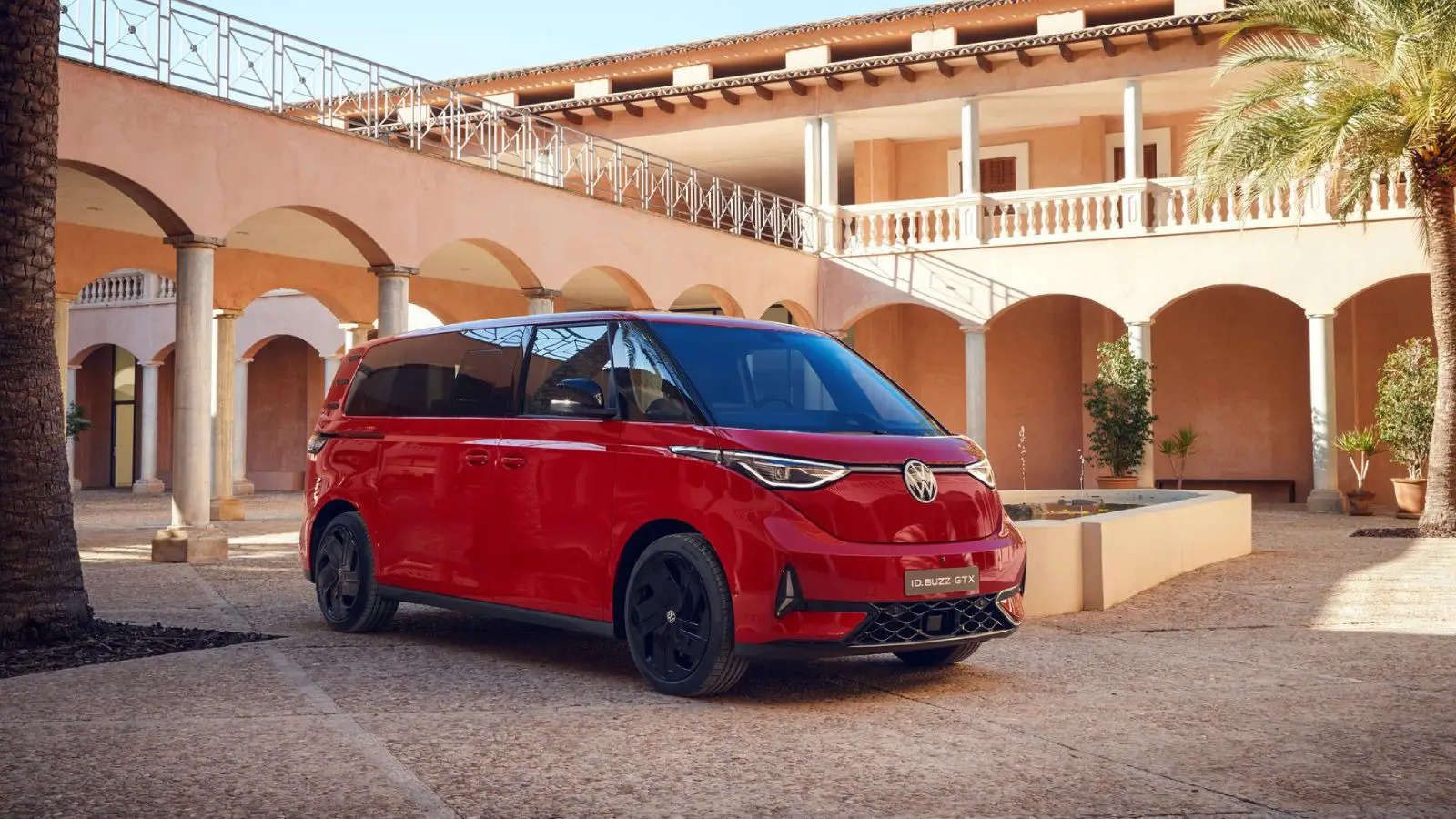
A closer look at the Volkswagen ID. Buzz, as discussed by its buyer, covering design, interior space, driving experience, range limits, and family practicality.
Some cars arrive with a promise built into their shape. The Volkswagen ID. Buzz is one of those vehicles that wins attention through emotion first, specifications second.
In person, its design feels even stronger than in photos. The classic Microbus silhouette has been modernized without losing its identity, making the ID. Buzz a rare sight that naturally draws looks. The bold two-tone paint options reinforce that effect, standing out in a market long dominated by muted colors.
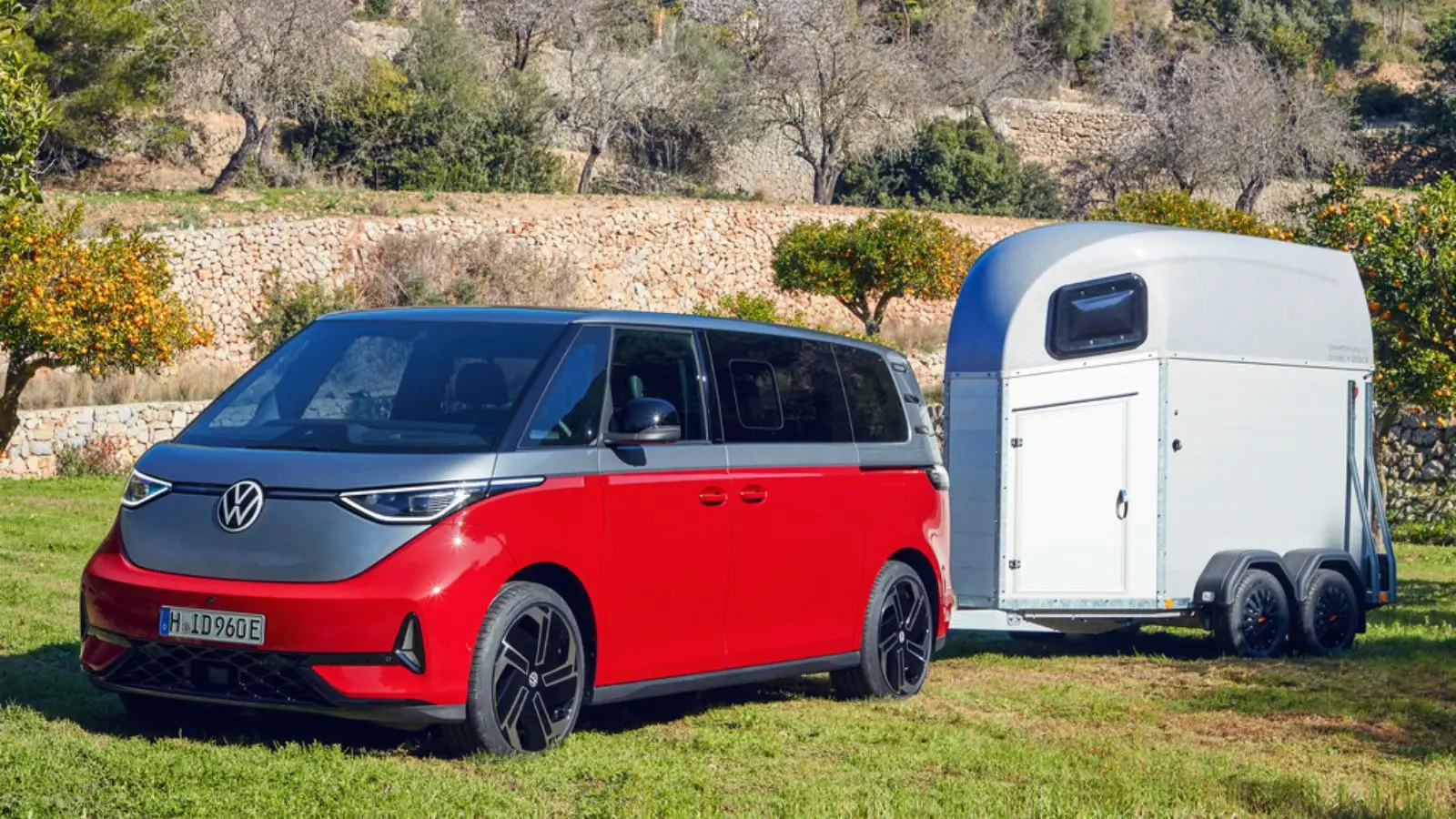
Living with the ID. Buzz quickly reveals a more nuanced reality. With a quoted range of around 375 km and fast charging up to 200 kW, it presents itself as adventure-ready. In practice, however, it’s described as better suited to short and medium trips, especially for owners with access to home charging. For long-distance travel reliant on public infrastructure, the limitations become harder to ignore.
Where the vehicle excels is everyday family usability. Entry and exit are easy, the cabin feels genuinely spacious, and visibility is excellent thanks to large windows and the absence of a center rear seat. Storage compartments and USB-C ports for passengers add to its practical appeal.
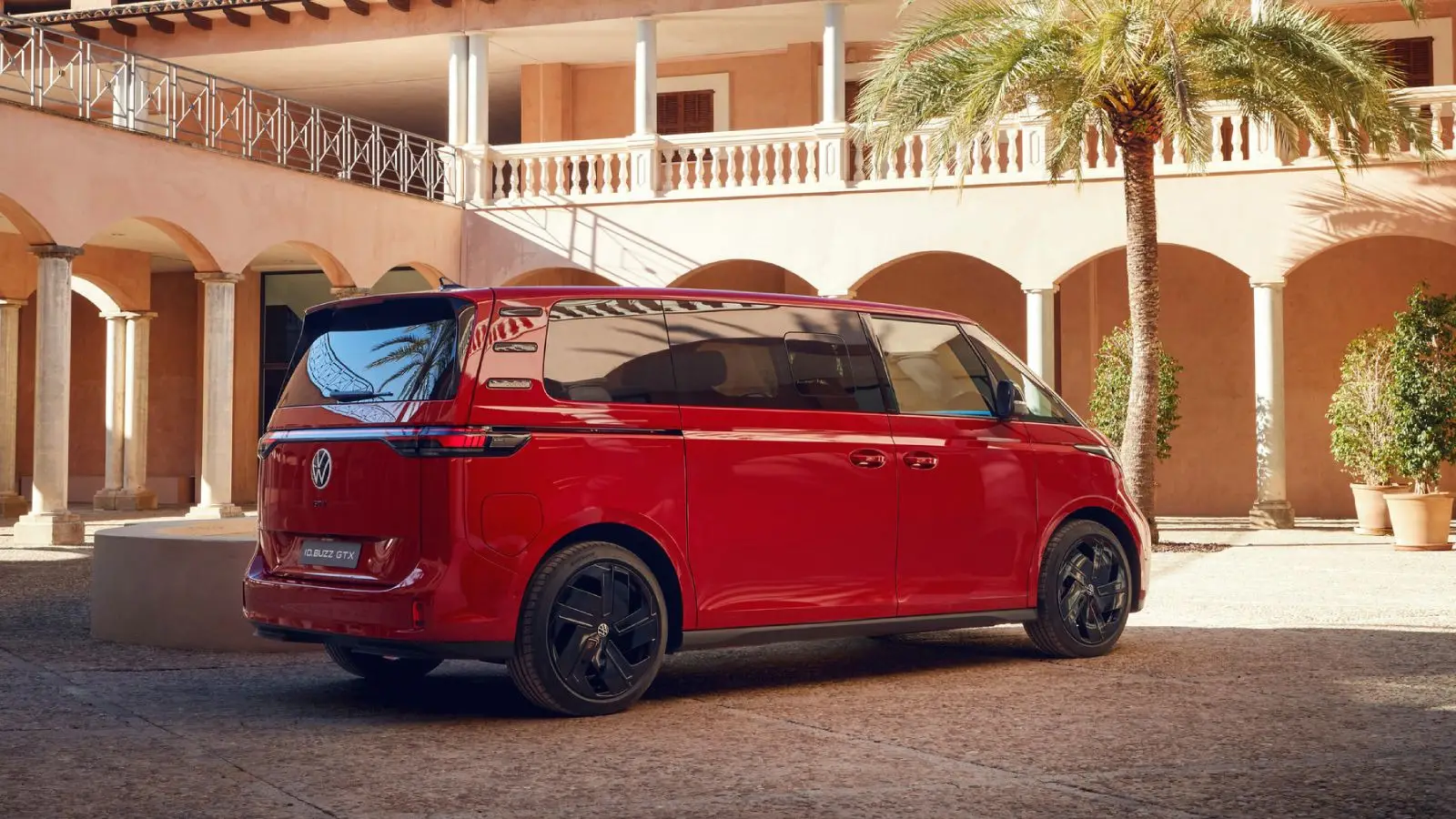
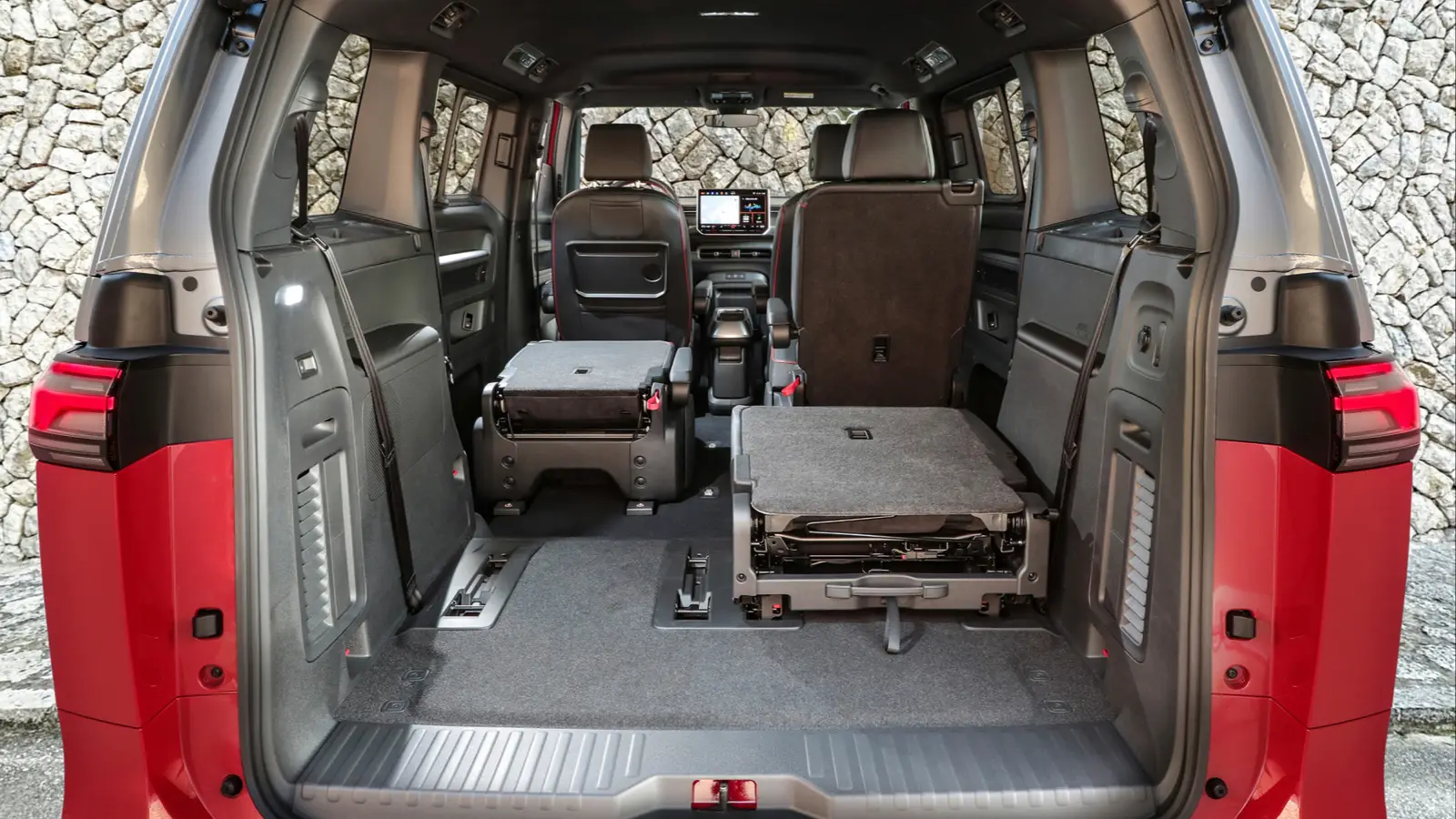
Seating configurations introduce frustration. A seven-seat layout exists, but only with rear-wheel drive and limited color choices. Cargo space follows a similar pattern: usable with seats folded, but constrained when all rows are in use, forcing compromises that feel at odds with the vehicle’s size.
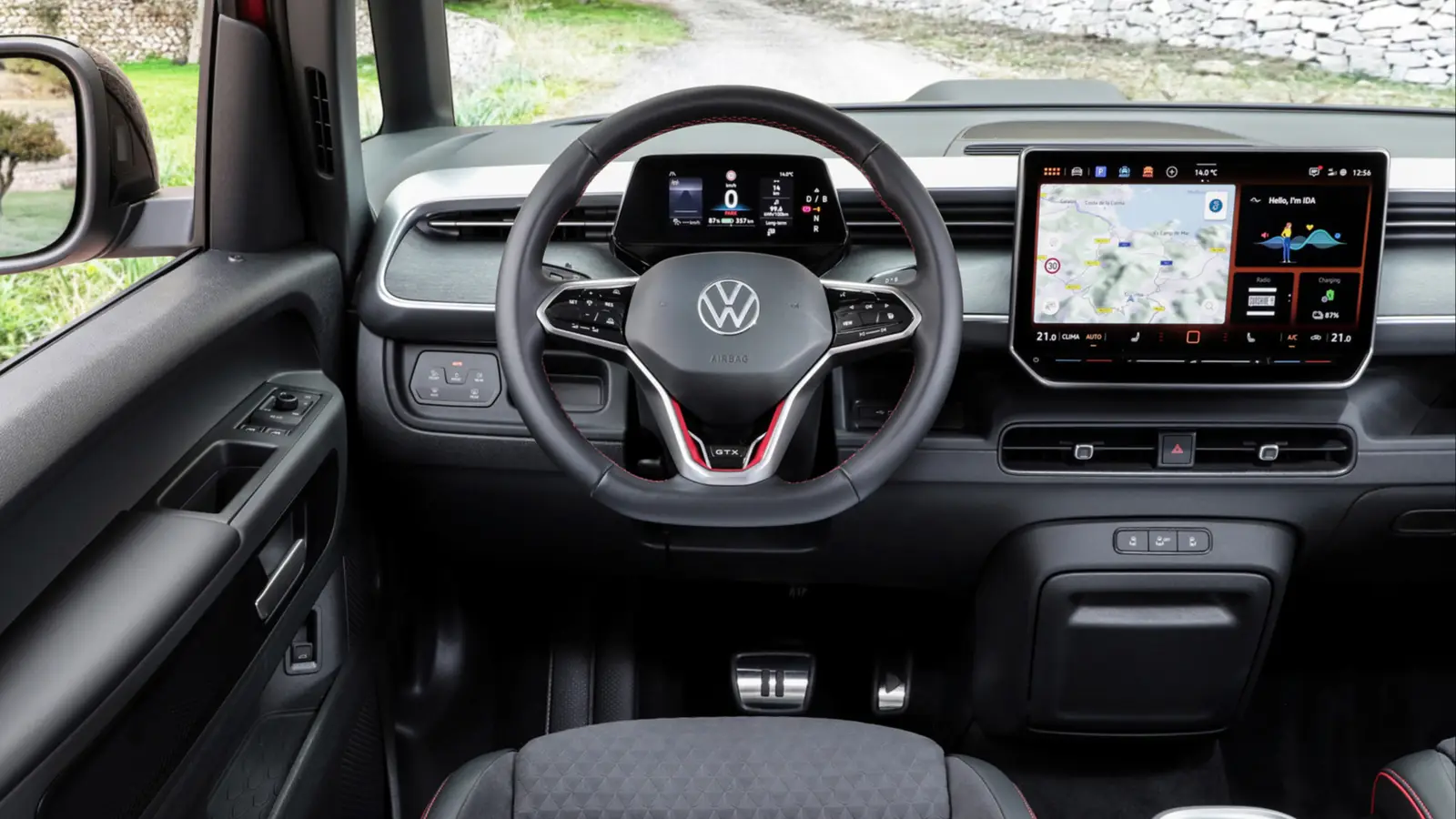
The front cabin mixes standout features with questionable decisions. The electrochromic panoramic roof and ventilated, massaging seats are highlights. At the same time, extensive use of capacitive controls—on the steering wheel and below the screen—can be distracting while driving.
Infotainment is a brighter spot. Direct keyboard input for navigation is praised for being quicker and less frustrating than voice-only systems. A head-up display and subtle lighting cues for navigation enhance usability without overwhelming the driver.
On the road, the ID. Buzz delivers strong initial acceleration typical of an EV, but it’s not especially powerful overall. The transition between regenerative and mechanical braking can feel abrupt, requiring acclimation.
Driver assistance systems provide mixed results. They perform well in simple scenarios but struggle in complex environments such as construction zones. Parking assist, in particular, fails to inspire confidence.
Audio quality stands out positively. The Harman Kardon system benefits from the large cabin, creating a wide and immersive soundstage that feels above average for a family-oriented vehicle.
Pricing remains the most difficult question. The ID. Buzz costs significantly more than traditional minivans, yet its build quality, interior atmosphere, and sense of space place it in a different category. It’s a vehicle that wins hearts quickly, but one that requires careful consideration before committing.
Allen Garwin
2025, Dec 31 23:56