
How Car Body Types Evolved From Sedans to Crossovers
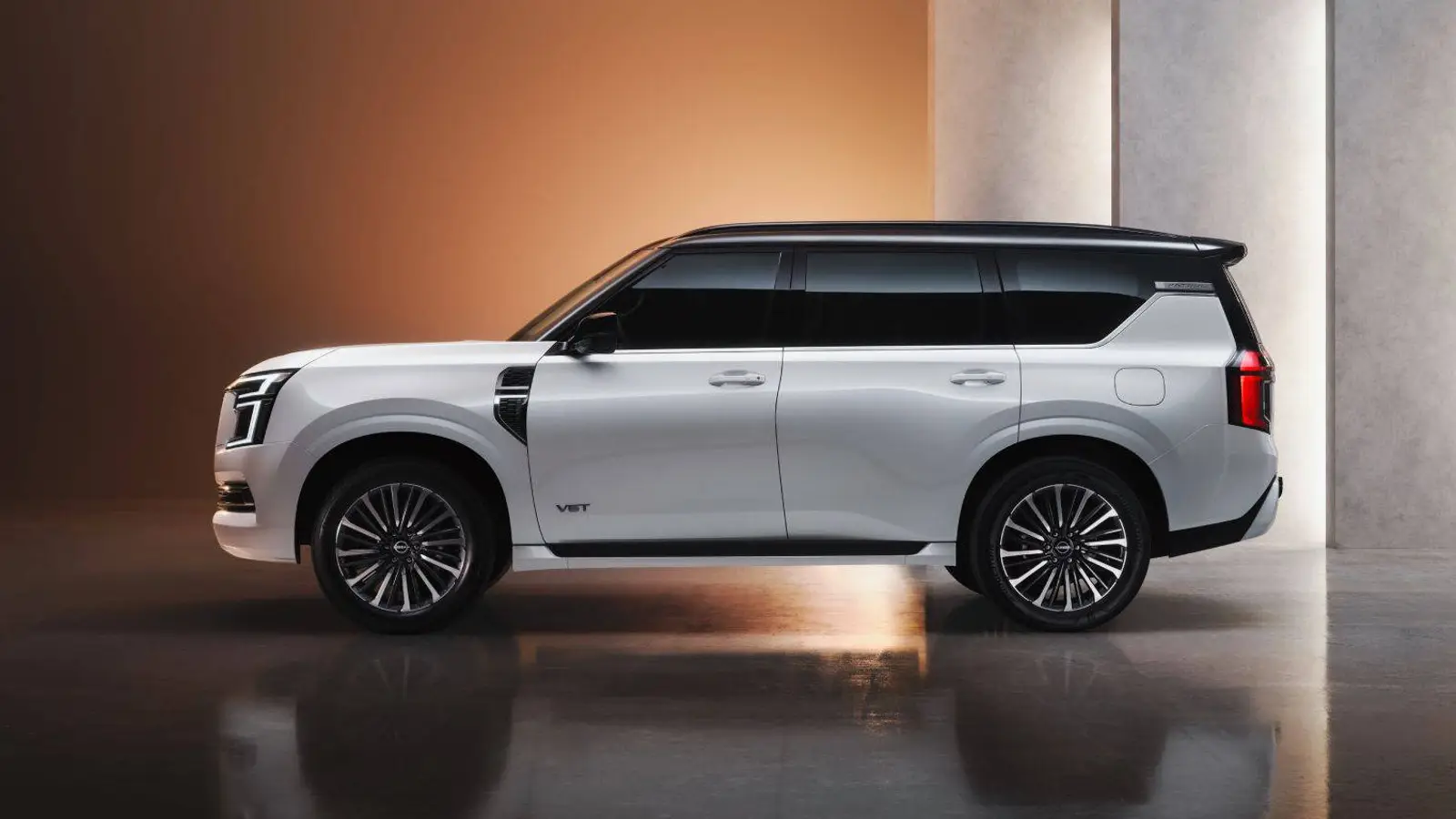
Explore how car body types evolved from early sedans to modern crossovers, based on historical definitions, market data, and official industry statistics. Read the full analysis.
The history of the automobile body begins long before the car became a mass means of transportation. Early body names and forms were inherited from the era of horse-drawn vehicles: phaeton, landaulet, berline, torpedo. In the early decades of automotive development, open bodies dominated, as described in historical accounts of phaeton and torpedo designs widely used in the early 20th century. Closed bodies remained the exception rather than the rule.
This gradually changed as technology advanced and expectations for comfort and weather protection increased. Closed bodies began to replace open designs, and during this period the sedan emerged. Defined by its three-box layout with a clear separation between engine compartment, passenger cabin, and trunk, the sedan became established in English-speaking markets as the sedan or saloon and in German-speaking markets as the Limousine. After World War II, the spread of pontoon-style construction (Pontonkarosserie) cemented the sedan as the standard body type for passenger cars.
For decades, the sedan represented the norm, combining practicality, predictable handling, and broad usability. At the same time, other formats such as wagons, hatchbacks, and later minivans developed in parallel, reflecting a growing demand for versatility. Analytical sources note that by the late 20th and early 21st centuries, the sedan’s role began to decline, and the body style itself became increasingly marginalized compared with emerging segments.
The decisive shift came with the rise of SUVs and crossovers. German-language sources clearly distinguish between traditional off-road vehicles (Geländewagen) built on a ladder frame (Leiterrahmen) and SUVs or crossovers based on a self-supporting unibody structure (selbsttragende Karosserie). At the same time, these sources emphasize that the terminology is often blurred, with the line between SUV and crossover frequently shaped more by marketing than by strict engineering definitions.
Recent statistics underline the scale of this transition. In Germany, data from the Federal Motor Transport Authority (KBA) show that roughly 30% of newly registered passenger cars belong to the SUV segment. Across Europe, the trend is even more pronounced: according to the International Council on Clean Transportation (ICCT), SUVs and off-road vehicles accounted for about 48% of new registrations in 2023, while data from JATO indicate that their share rose to 54% in 2024, marking a record level. Similar developments are observed in individual countries such as Switzerland, where the SUV share has increased from below 20% to more than half of the market within little more than a decade.
The same pattern is evident in the electric vehicle market. The International Energy Agency (IEA) reports that in 2023 approximately two-thirds of all battery-electric models available globally were SUVs. This suggests that the preference for higher body styles and increased ground clearance has carried over into the era of electrification.
Publicly available, quantitative forecasts identifying a single dominant body type for the future remain limited. However, the combined evidence from registration data, model availability, and market dynamics points to a clear conclusion: SUVs and crossovers have already become the central form of the modern passenger car and continue to strengthen their position. The long evolution of automotive body styles, from carriage-derived forms to the sedan as the 20th-century standard, has entered a new phase in which the “tall” format defines the mainstream automobile.
Allen Garwin
2026, Jan 01 15:07