
South Korea’s 2026 EV subsidies give Hyundai and Kia an edge
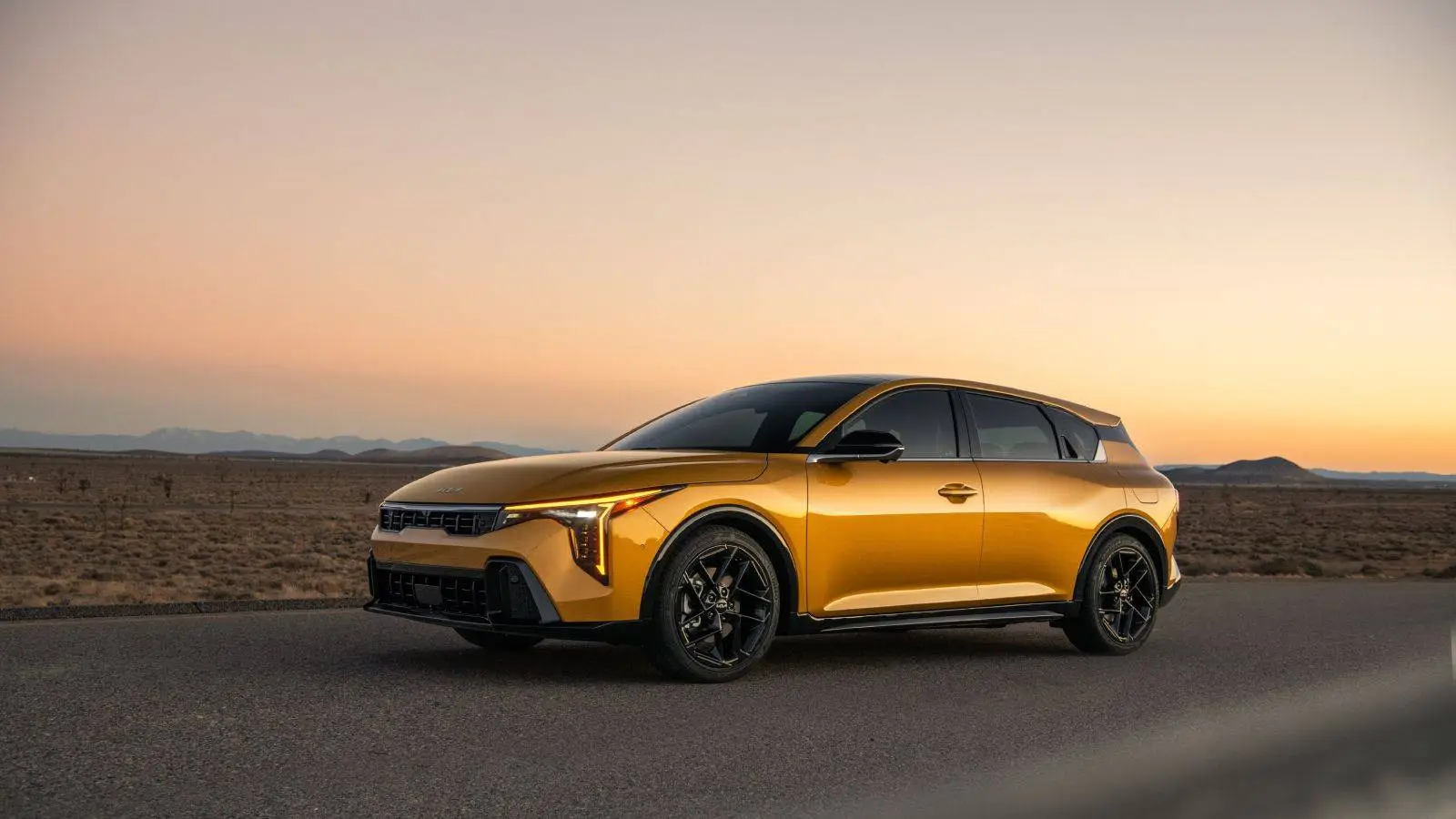
South Korea has raised EV subsidies for 2026, tightening battery and charging rules that favor Hyundai and Kia, according to the government’s finalized plan. Learn what changed.
South Korea is strengthening its support for electric vehicles, reshaping subsidy rules in a way that gives domestic manufacturers a clear advantage as competition from Chinese brands intensifies. The finalized 2026 incentive plan increases direct financial support for EV buyers while introducing additional conditions that are set to influence the market’s balance.
The maximum government incentive for an electric vehicle has been raised to 6.8 million won, with an extra 1 million won available for buyers who scrap or sell an internal combustion engine car when switching to a new EV. The incentive applies only to new vehicles. While the price cap for eligibility remains at 53 million won, it is scheduled to drop to 50 million won in 2027.
A crucial part of the revised scheme is the introduction of stricter requirements related to charging standards and battery performance. These changes affect brands that rely on lithium iron phosphate batteries more strongly, while Hyundai and Kia benefit from their focus on nickel-manganese-cobalt technology. As a result, domestic automakers are better positioned to meet the updated criteria and fully qualify for subsidies.
The backdrop to these changes is a rapidly evolving EV market. The Tesla Model Y remains the best-selling electric vehicle in South Korea, but Chinese manufacturers, led by BYD, are closing the gap and already rank among the top imported EV brands. Several additional Chinese companies are preparing to enter the Korean market, further increasing competitive pressure.
Hyundai and Kia are responding by expanding their electric lineups, including new entry-level models designed to compete both at home and in overseas markets such as Europe. At the same time, the subsidy framework now extends to commercial electric vehicles, from small vans to large trucks, broadening the scope of state support and encouraging adoption beyond passenger cars.
Together, these measures underline the government’s broader strategy: to stimulate EV demand while safeguarding a key domestic industry amid shifting global trade conditions and growing external competition. Rather than closing the market, South Korea is raising the bar, betting that stricter standards and targeted incentives will help local manufacturers maintain their edge in the electric transition.
Allen Garwin
2026, Jan 03 12:21