
Hyundai Files Patent for Modular Removable Vehicle Doors
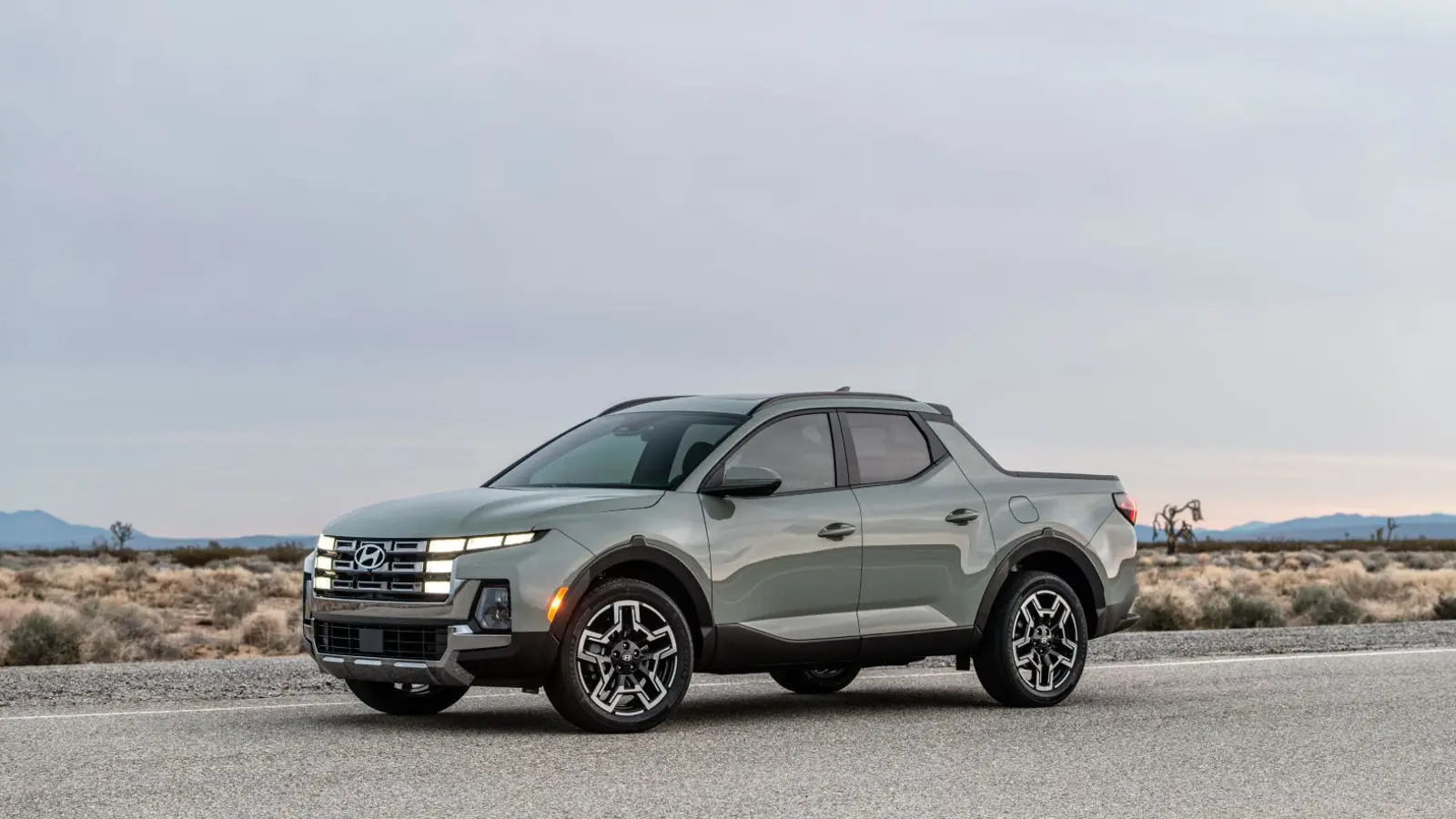
Hyundai has filed a U.S. patent describing modular removable doors for pickups and SUVs. Learn how the design could shape future off-road and lifestyle vehicles.
Hyundai has been granted a U.S. patent for a modular, removable vehicle door concept that could signal a new direction for the brand’s future pickups and SUVs. The patent outlines a door system that moves away from a single, heavy assembly and instead divides the structure into distinct functional modules.
At the core of the concept is a three-part layout. A structural frame module is hinge-mounted to the vehicle body and carries the primary load for rigidity and safety. Separate exterior and interior modules are then attached to this frame, shaping the outer appearance and the cabin finish. This approach allows individual parts of the door to be removed or replaced without detaching the entire assembly.
The patent notes that conventional doors are heavy and cumbersome due to their metal frames and integrated components, making removal time-consuming and tool-dependent. Hyundai’s solution addresses this through rotating locking mechanisms designed to align and secure the modules precisely. These locking elements enable installation and removal without the need for tools, while maintaining proper fit and function.
The documentation also suggests that the door system is intended to support more than a single configuration. Illustrations describe scenarios where the vehicle can be driven with only a minimal door frame, or without exterior and interior panels altogether, enhancing the open-air driving experience. This places the concept squarely within the lifestyle-oriented off-road space.
The timing of the patent aligns with Hyundai’s stated plans to expand its pickup portfolio and move toward more robust, body-on-frame vehicles by the end of the decade. In that context, the modular door concept appears less like a theoretical exercise and more like a potential building block for future production models.
Still, as with any patent filing, approval does not guarantee real-world application. The document defines an engineering direction and secures intellectual property, while leaving open whether, when, and in what form the idea will ultimately reach the road.
Mark Havelin
2026, Jan 03 22:20