
Toyota patent outlines a new hybrid component layout
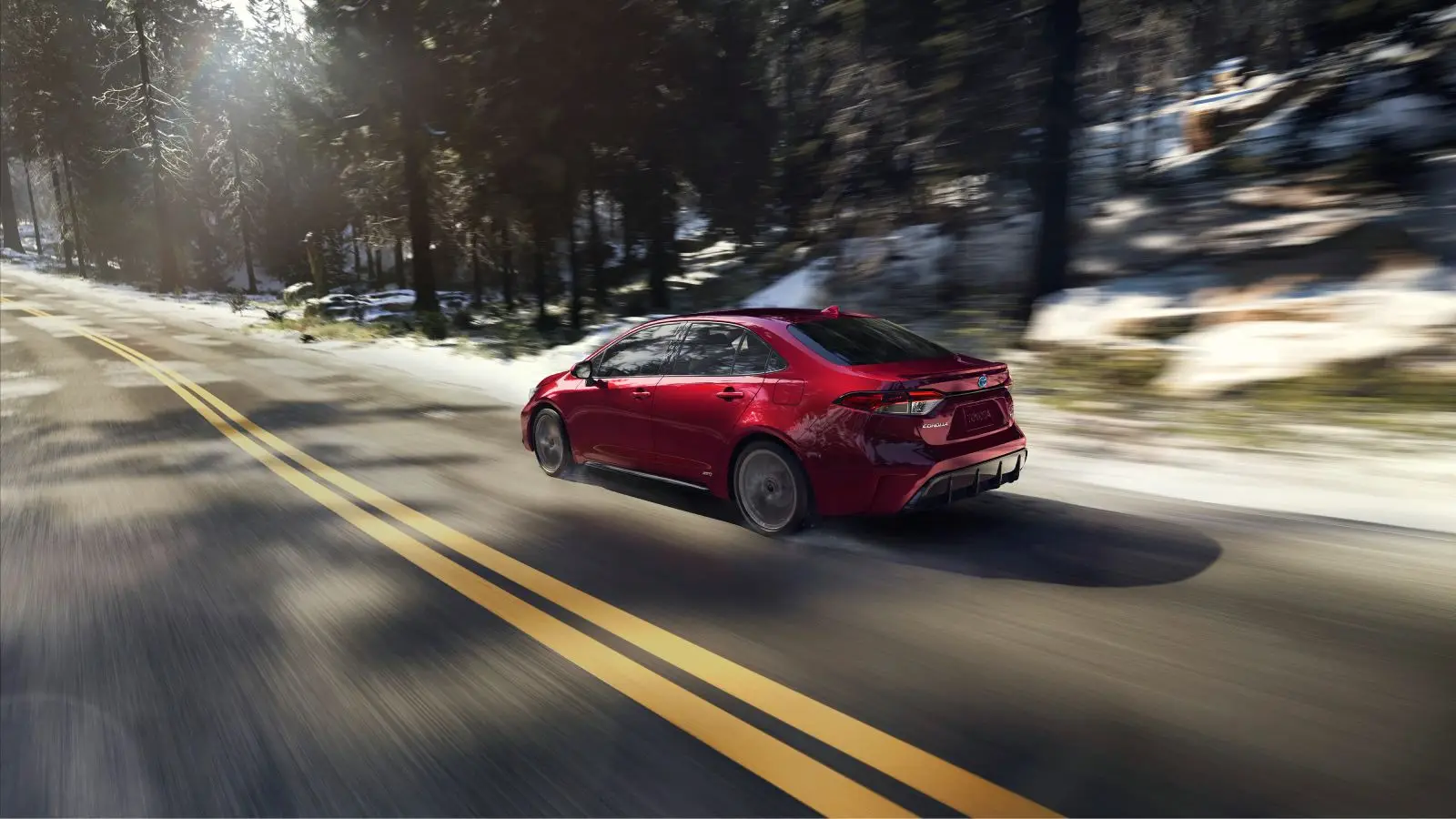
A Toyota patent, reported by Autoblog, details a new hybrid layout aimed at improving handling, safety, and acceleration. Learn what the filing reveals.
Toyota is continuing to rethink the role of hybrids in its lineup, treating them not only as fuel-saving vehicles but as cars expected to deliver confident and predictable road behavior. A newly published patent suggests that the next step may come not from new powertrain hardware, but from a more thoughtful layout of key hybrid components.
The patent, titled “Hybrid Electric Vehicle”, was filed in June 2025 and published on January 1, 2026. It outlines an alternative arrangement of hybrid system components designed to improve handling, stability, crash safety, and acceleration, with a particular focus on rear-wheel-drive applications.
The basic architecture remains familiar. The internal combustion engine stays at the front, a driveshaft runs down the center of the vehicle, and a rear transaxle combines the electric motor, gearing, and differential. The real changes come in how the heaviest components are positioned.
Instead of placing both the fuel tank and the main battery at the rear, Toyota’s patent proposes moving the fuel tank closer to the center of the vehicle, ahead of the battery. The traction battery, whose weight remains constant, is mounted directly above the rear transaxle. This rearrangement shifts how mass is distributed and how it behaves during driving.
From a dynamic standpoint, the benefits are straightforward. As fuel is consumed, the resulting change in weight occurs closer to the vehicle’s center, helping maintain more consistent balance and steering response. Concentrating more constant weight over the rear axle can also improve traction during acceleration. In a rear-end collision, the battery would absorb impact energy before the fuel tank, potentially offering added protection for the fuel system.
The patent does not reference any specific production model, but its logic aligns with vehicles where driving feel matters as much as efficiency. Rear-drive sedans and higher-end Toyota or Lexus hybrids aimed at comfort and road stability appear to be the most natural fit.
As with many patents, there is no guarantee this layout will reach production. Still, it offers a clear signal of Toyota’s direction. Hybrids are no longer positioned merely as an efficiency compromise, but as refined vehicles with carefully managed balance and predictable behavior. The concept reflects Toyota’s long-standing philosophy of continuous improvement, applying incremental changes to systems that already work.
Allen Garwin
2026, Jan 03 23:56