
Rolls-Royce CEO Explains Slowing Demand for the Spectre EV
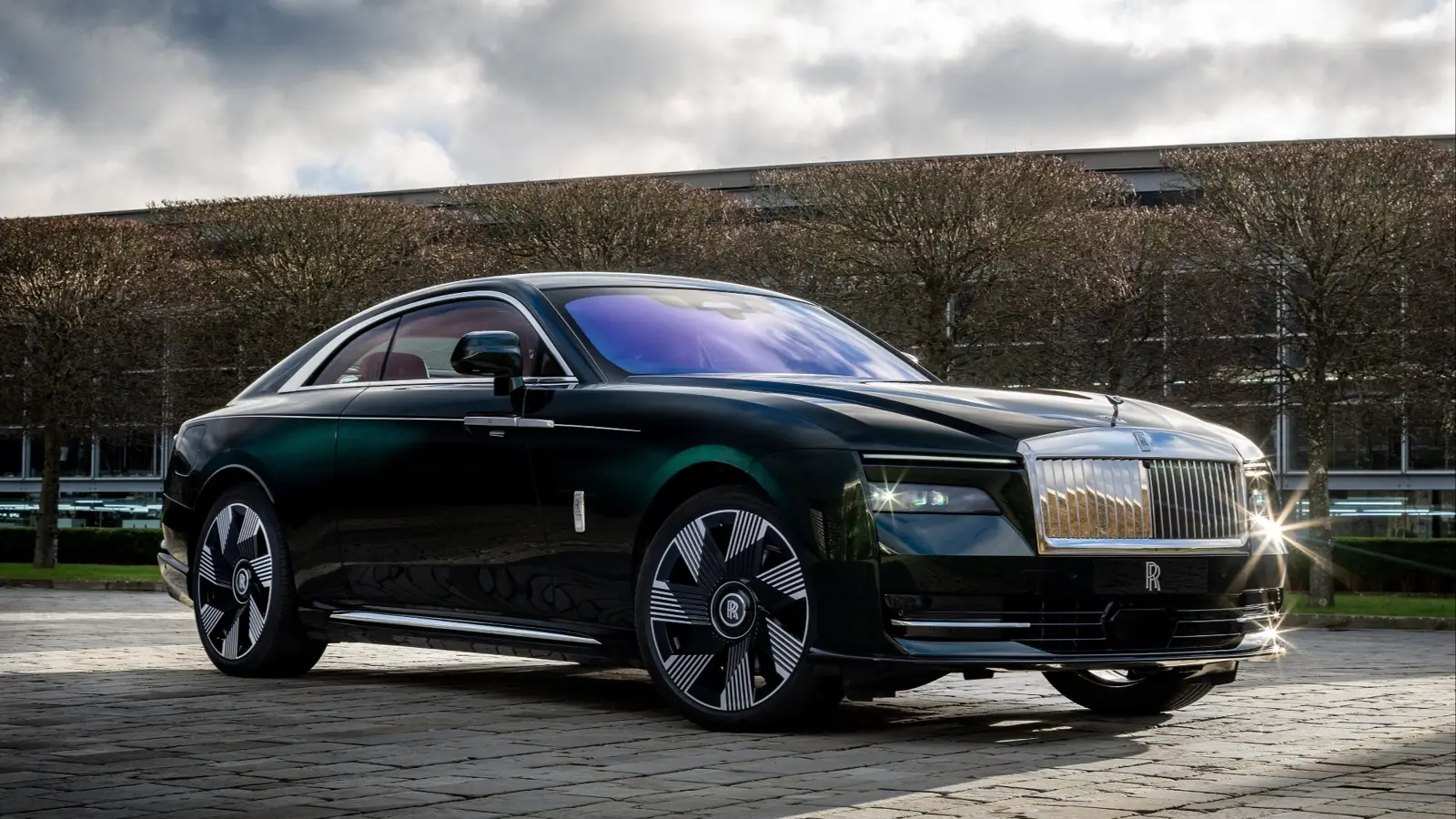
Rolls-Royce CEO Chris Brownridge tells Bloomberg why demand for the Spectre EV has cooled, while bespoke models and V12 cars continue to drive growth.
Rolls-Royce Motor Cars is facing a visible cooling of interest in its first fully electric model, the Spectre, among ultra-wealthy clients. After a strong debut and positive reception in its first full year on the market, demand for the electric coupe has slowed, even as the brand’s overall business continues to grow through traditional models and bespoke commissions.
In an interview with Bloomberg, Rolls-Royce CEO Chris Brownridge openly acknowledged that the Spectre is no longer attracting the same level of enthusiasm seen at launch. According to data from BMW Group, deliveries of the model fell by 45% year over year during the first three quarters of 2025, while its share of total Rolls-Royce sales dropped to less than one fifth. At the same time, overall vehicle deliveries for the brand rose by 3.3%, underlining a shift in demand toward other areas of the business.
The company is not abandoning its electrification plans. Rolls-Royce continues to state its intention to move to an all-electric lineup after 2030 and has reiterated that more electric models will follow. However, Brownridge stresses that customer preferences remain the priority. Where demand for V12 engines remains strong, Rolls-Royce is prepared to keep producing them, treating electric powertrains as one option rather than a defining identity.
As interest in the Spectre stabilizes, Rolls-Royce is leaning even more heavily on its bespoke programs, which have become a central driver of revenue. Over the past decade, the brand’s average selling price has risen from around £300,000 to more than £500,000. In 2024 alone, more than 20 cars were delivered with price tags exceeding £1 million, reflecting growing appetite for vivid colors, intricate interiors, rare materials, and signature features such as starlight headliners.
This focus is supported by targeted investments in the customer experience. Rolls-Royce is expanding its global network of Private Offices, dedicated spaces where clients can spend months designing a car in close collaboration with brand specialists. In parallel, the company is investing roughly £300 million to expand its Goodwood facility, not to increase production volumes, but to enhance its ability to deliver highly individualized vehicles.
The slowdown of the Spectre comes amid broader changes in the automotive landscape. European regulators have softened the language surrounding future bans on internal combustion engines, while demand for electric vehicles in the premium segment has grown more slowly than once forecast. Against this backdrop, Rolls-Royce appears to be prioritizing balance—between new technology, long-standing tradition, and exclusivity—over rapid, volume-driven electrification.
For a brand that openly states it does not aim to be “a car for everybody,” the approach is consistent. The electric future remains on the horizon, but the path toward it looks increasingly flexible and shaped by the tastes of the world’s wealthiest buyers.
Allen Garwin
2026, Jan 04 06:10