
Panoramic Car Roofs: From Early Concepts to 2026 Choices
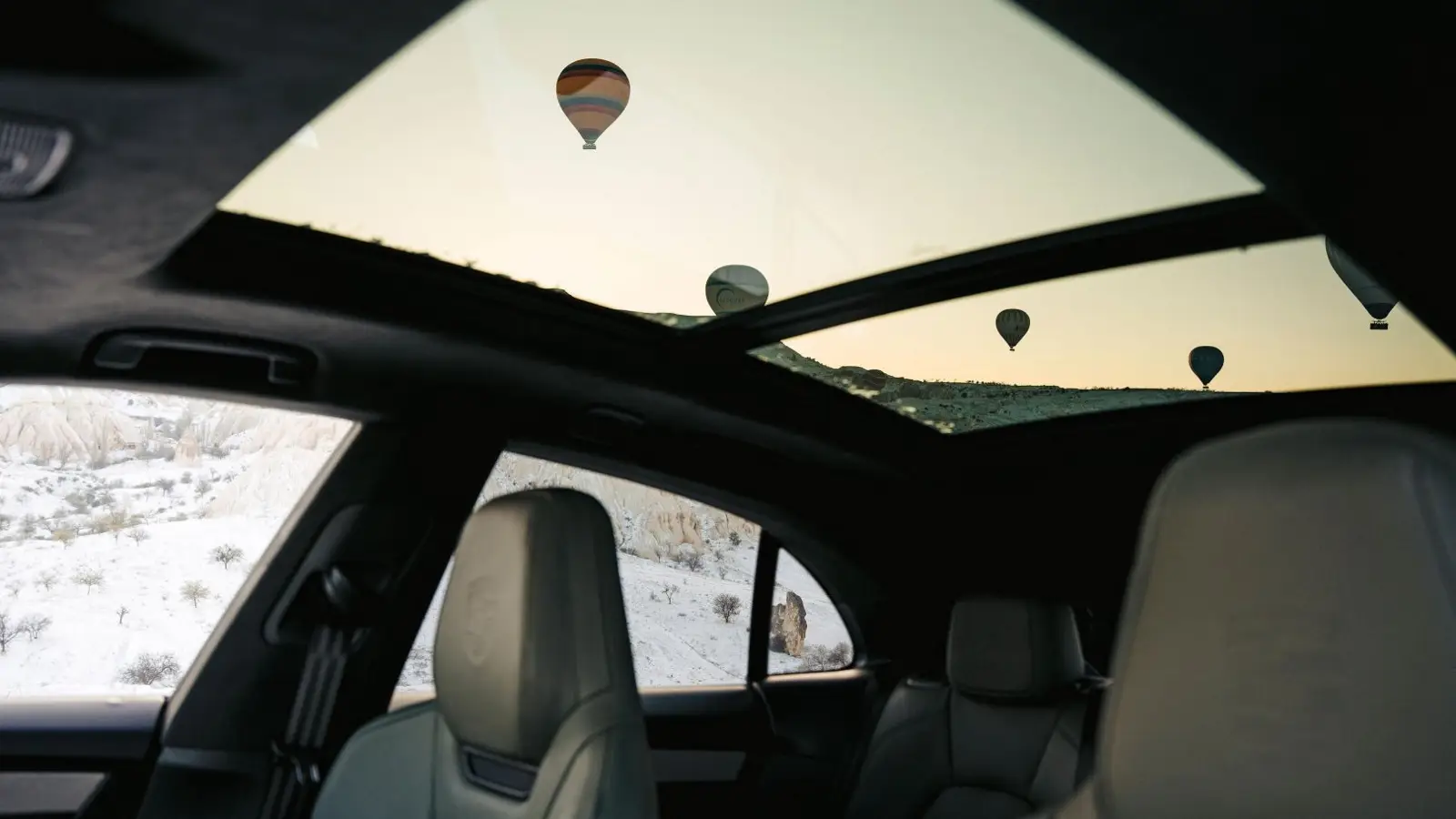
An in-depth look at panoramic car roofs: their history, benefits, risks, and costs, and what drivers should consider when choosing one in 2026.
Over the past decades, the panoramic roof has evolved from a rare design experiment into one of the most distinctive options in modern cars. Today, it is no longer seen as a novelty but as a comfort feature that directly shapes how spacious and emotionally engaging a vehicle feels.
Historically, panoramic solutions developed alongside the evolution of traditional sunroofs. In the mid-20th century, manufacturers experimented with large glass surfaces and transparent roofs, but such designs remained limited for years. Widespread adoption came much later, when advances in laminated glass, sealing technologies, and electric mechanisms made large glass panels viable for mass production.
The main driver behind the popularity of panoramic roofs is light. Increased natural illumination makes the interior feel more open, especially for rear passengers, reducing the sense of confinement. Modern designs no longer automatically mean excessive heat, as many roofs use glass that filters infrared radiation while still allowing daylight to enter. More recently, electrochromic systems have appeared, enabling occupants to adjust transparency and glare at the push of a button.
That openness, however, comes with trade-offs. A panoramic roof adds noticeable weight to a vehicle, concentrated at the very top of the body structure. This affects the center of gravity and can influence both handling and fuel efficiency. Another compromise is reduced headroom, as motors, rails, and structural elements take up space beneath the roof lining.
Reliability is another key consideration. By design, panoramic roofs rely on drainage systems rather than complete sealing. Blocked or poorly designed drains can lead to water intrusion, a risk highlighted by well-documented legal disputes and service actions. In recent years, reports of spontaneous glass breakage have also drawn attention to material quality and long-term durability.
From a financial perspective in 2026, panoramic roofs are typically offered as paid options or bundled within trim packages. While the initial surcharge can be moderate relative to the vehicle’s price, potential maintenance and repair costs remain part of the ownership equation. Retrofitting a panoramic roof after purchase is considered technically complex and expensive, and is therefore uncommon.
Ultimately, choosing a panoramic roof in 2026 is a deliberate balance between visual comfort and practical compromises. For some drivers, it enhances everyday enjoyment and cabin atmosphere. For others, simplicity, lower weight, and predictable long-term costs make a solid roof the more rational choice.
Allen Garwin
2026, Jan 05 19:00