
NHTSA Data Shows Which Automakers Led Vehicle Recalls in 2025
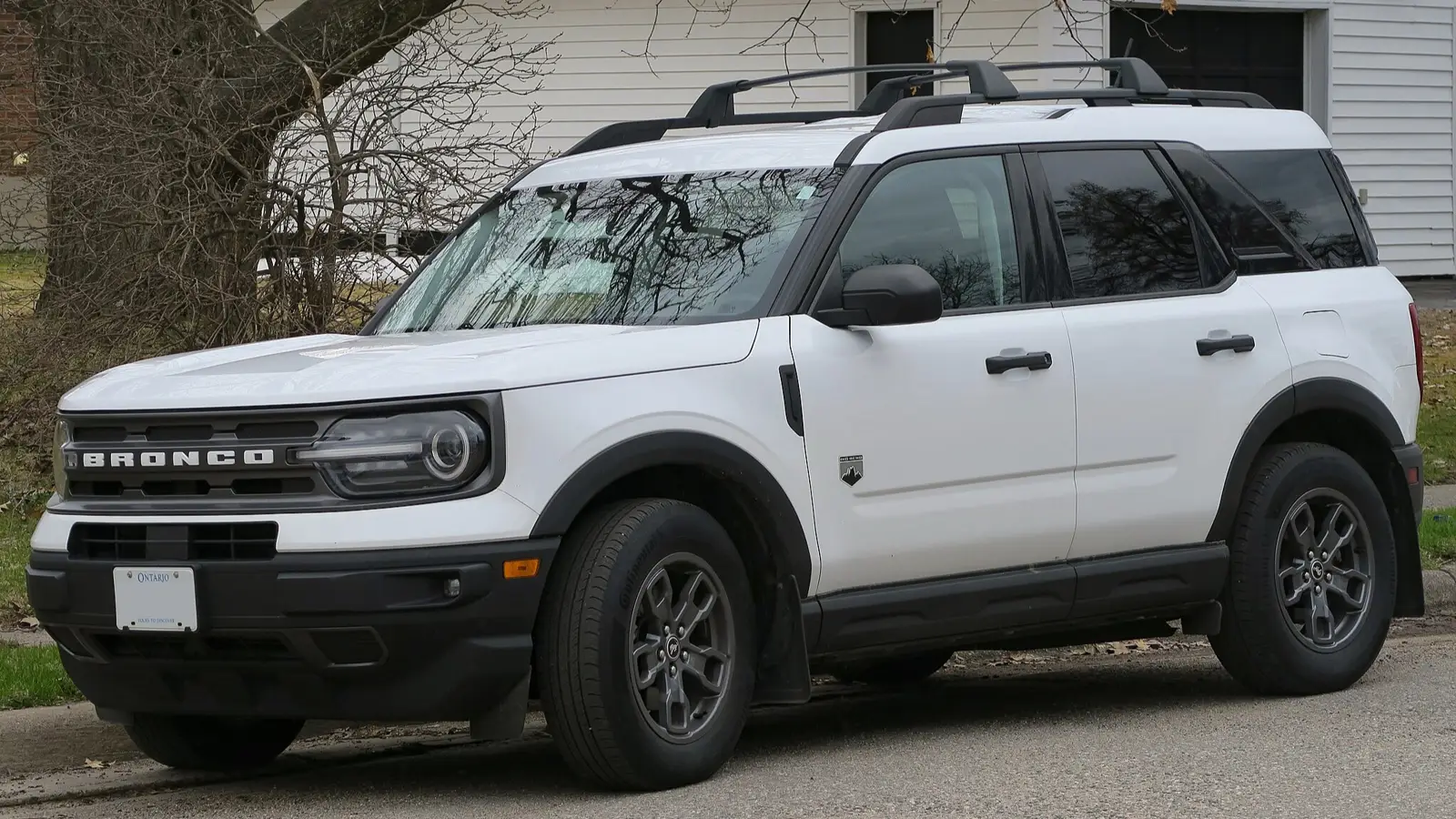

NHTSA released 2025 recall data showing which automakers recalled the most vehicles. Review key figures, major trends, and what the numbers mean.
Data released by the National Highway Traffic Safety Administration (NHTSA) for 2025 highlights which automakers recalled the largest number of vehicles in the United States and how extensive those campaigns were. Ford topped the list by a wide margin, recalling 12,930,696 vehicles and setting a company record for the number of safety campaigns issued in a single year.
Toyota ranked second with 3,223,256 vehicles affected. Unlike some rivals, the Japanese manufacturer launched relatively few recall campaigns, but each one covered a very large vehicle population. Stellantis followed in third place with 2,776,952 recalled vehicles, driven in part by issues linked to its 4xe plug-in hybrid system and concerns over potential high-voltage battery fire risks.
The rest of the top ten included Honda, Hyundai, General Motors, Kia, Nissan, Tesla, and Volkswagen. Each brand faced at least one major safety campaign, ranging from rearview camera defects and faulty seat-belt components to engine-related risks and fire hazards. In several cases, the root cause was traced back to supplier-related components rather than problems unique to a single model line.
The nature of recalls also continues to evolve. In 2025, a portion of safety campaigns—particularly among electric-vehicle manufacturers—were resolved through over-the-air software updates, allowing owners to receive fixes without visiting a dealership. Despite the convenience, these actions are still classified as recalls because they address safety-related concerns.
Importantly, a high recall total does not automatically signal poor vehicle reliability. NHTSA data reflects how issues are identified, reported, and addressed, not just how often they occur. Automakers with large fleets and more aggressive quality-control strategies may appear higher on the list simply because they act sooner and on a broader scale.
As a result, recall statistics should be viewed as a reference point rather than a definitive measure of long-term dependability. For consumers seeking a deeper understanding of vehicle reliability, recall data is most useful when considered alongside long-term ownership studies and real-world performance analyses.
Allen Garwin
2026, Jan 05 20:40