
Hyundai Motor Group Presents Human-Centered AI Robotics Strategy at CES 2026
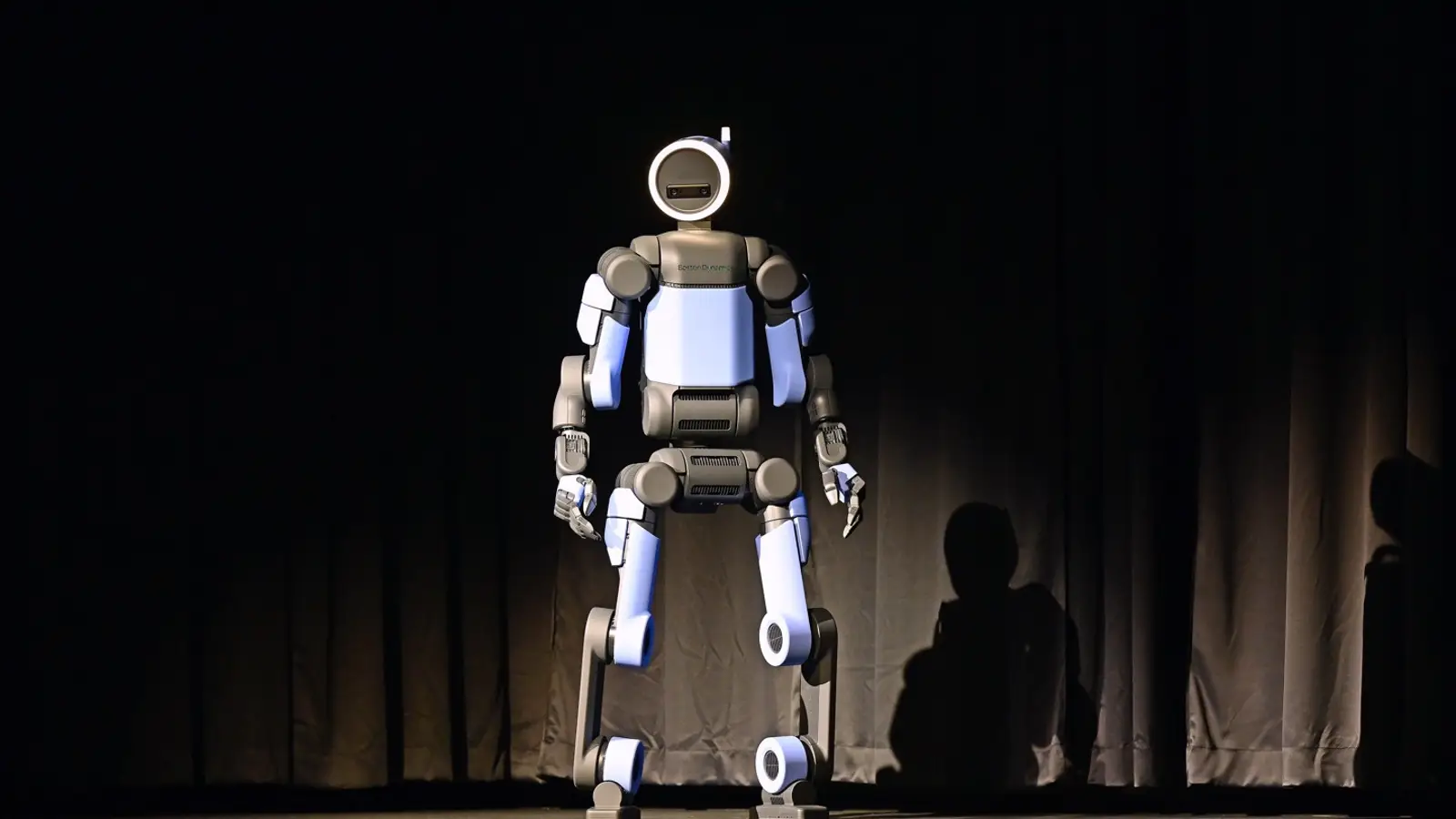
Hyundai Motor Group revealed its human-centered AI robotics strategy at CES 2026, outlining plans for Physical AI, Atlas humanoid deployment, and industrial use.
Hyundai Motor Group used CES 2026 as a platform to outline its long-term vision for human-centered robotics and the development of Physical AI — technologies that combine hardware, real-world data, and autonomous decision-making. Rather than positioning robots as replacements for people, the Group emphasized a model in which machines and humans work side by side, with robots taking on hazardous, physically demanding, and repetitive tasks.
At the core of the strategy is a shift from experimental robotics toward solutions designed for industrial-scale deployment. Hyundai Motor Group sees humanoid robots as the most promising segment of the future Physical AI market, particularly in manufacturing environments where safety, productivity, and return on investment can be clearly measured.
A central role in this roadmap is assigned to the new product version of Boston Dynamics’ Atlas. Designed for real-world industrial use, the humanoid robot is intended to handle tasks such as parts sequencing, equipment servicing, and other operations that place a heavy physical burden on human workers. Hyundai Motor Group plans to begin phased deployment of Atlas at its Hyundai Motor Group Metaplant America facility in Georgia starting in 2028, initially focusing on processes with proven safety and quality benefits. By 2030, the scope of applications is expected to expand to more complex assembly operations.
The choice of the Georgia plant is strategic. Hyundai Motor Group Metaplant America was conceived as a highly automated, data-driven manufacturing hub, with a potential annual capacity of up to 500,000 vehicles. Its scale and digital infrastructure make it a practical environment for training, validating, and scaling humanoid robots designed to operate in close collaboration with people.
The Group’s AI robotics strategy is built around three core partnerships. The first focuses on direct collaboration between humans and co-working robots on factory floors. The second connects Hyundai Motor Group’s value network with Boston Dynamics, creating an end-to-end robotics value chain that integrates hardware, components, logistics, and software. The third involves cooperation with global AI leaders, including Google DeepMind, aimed at accelerating the development of advanced AI models capable of controlling complex robots safely and efficiently.
This ecosystem is further supported by Hyundai Motor Group’s collaboration with NVIDIA, which targets the underlying infrastructure for Physical AI. By combining high-performance computing, simulation technologies, and real-world manufacturing data, the Group aims to continuously improve robotic learning cycles and move innovations from automotive production into broader industrial robotics.
Taken together, the announcements at CES 2026 suggest that Hyundai Motor Group views robotics as a natural extension of its industrial and technological evolution. If the planned deployment milestones are achieved, humanoid robots could become a familiar presence in large-scale manufacturing within the next decade, setting new expectations for how automation and human labor coexist in modern factories.
Mark Havelin
2026, Jan 07 12:08